Llaima, Stratovolcano in Araucanía Region, Chile
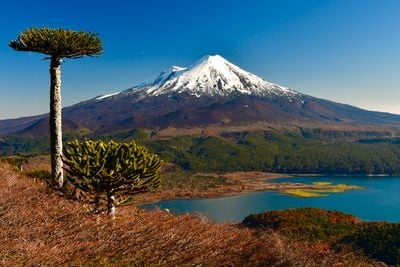
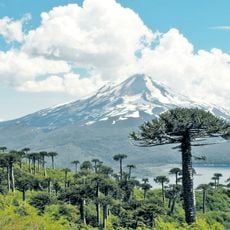
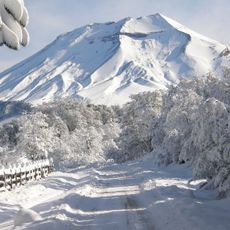
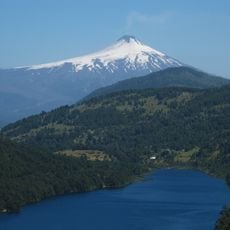
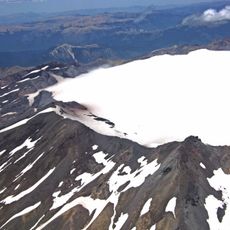
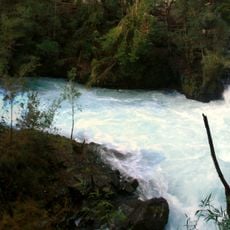
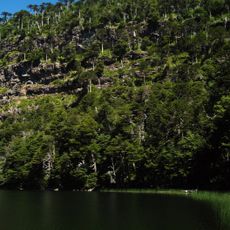
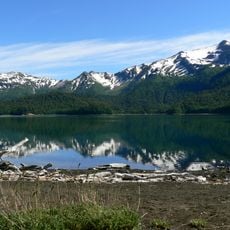
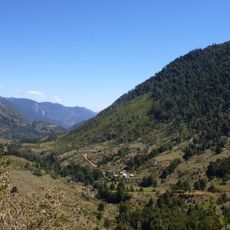
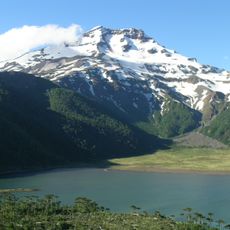
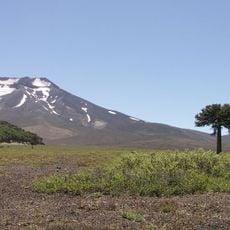
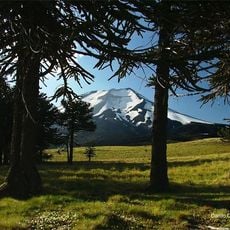
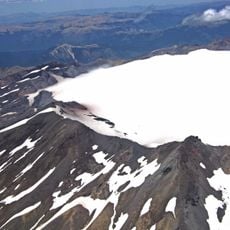
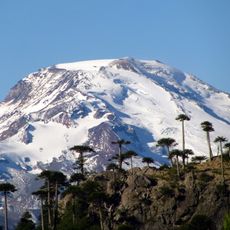
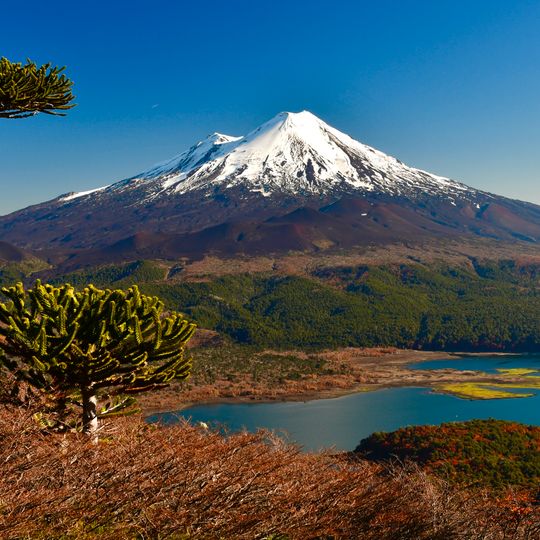
Llaima is a stratovolcano with two summit craters in Araucanía Region, Chile, rising to 3,125 meters above sea level and covered by extensive glaciers. Its symmetrical cone rises in the Andes and belongs to the most prominent volcanic formations in the southern hemisphere.
The first documented eruption happened in 1640 and led to a temporary halt in the Arauco War between Spanish forces and the Mapuche. Later, scientists recorded over 40 eruption periods extending into the 21st century.
The name comes from Mapudungun and shows the deep connection between indigenous communities and the mountain, which appears in their worldview as a living element. For the Mapuche, volcanic movements are often linked to spiritual messages that remain part of local tradition today.
The Las Araucarias ski area on the western slopes offers winter sports facilities, while scientific stations monitor volcanic activity throughout the year. Visitors should pay attention to weather conditions, as they can change rapidly at higher elevations.
The volcanic structure counts over 40 recorded eruption periods and ranks among the most active geological formations in South America. Some recent eruptions have produced visible lava flows that remain recognizable on the slopes today.
The community of curious travelers
AroundUs brings together thousands of curated places, local tips, and hidden gems, enriched daily by 91,838 contributors worldwide.