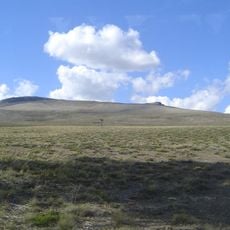
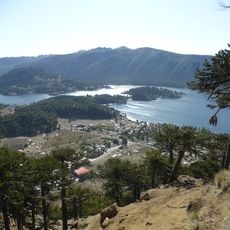
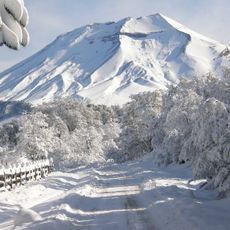
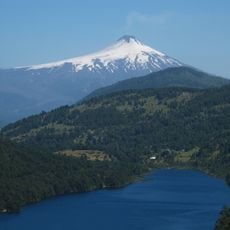
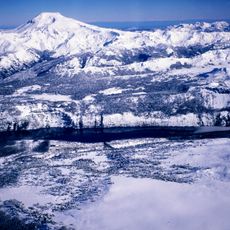
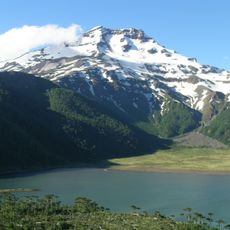
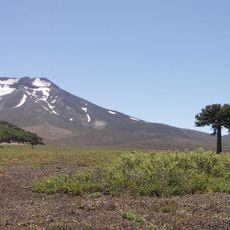
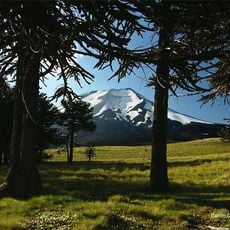
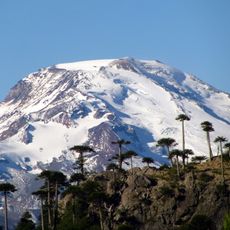
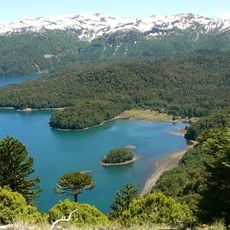
Sierra Nevada, Stratovolcano in La Araucanía Region, Chile.
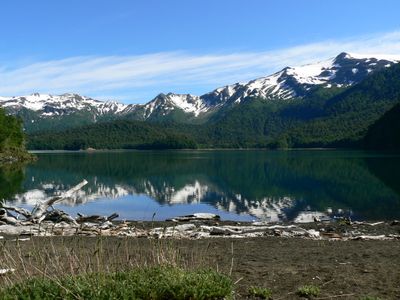
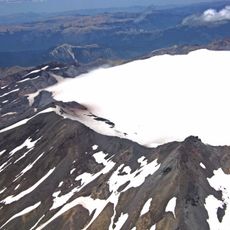
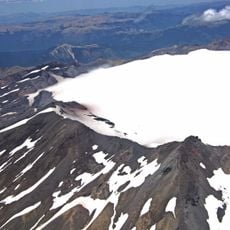
Sierra Nevada is a stratovolcano in La Araucanía that reaches 2,554 meters (8,380 feet) within Conguillío National Park. Its slopes display visible layers of lava flows and volcanic rock that show the volcano's long history of eruptions.
The volcano last erupted during the Pleistocene epoch, when andesitic and basaltic flows emerged from its slopes. These ancient eruptions built the geological layers visible on the mountain today.
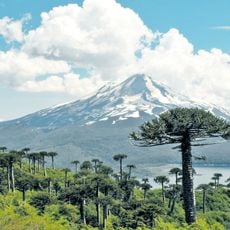
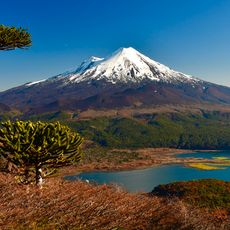
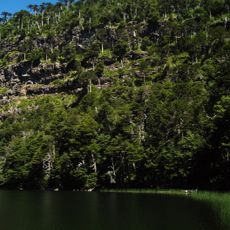
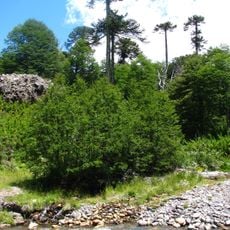
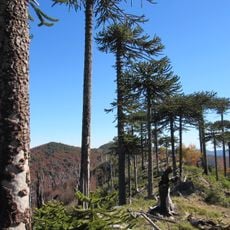
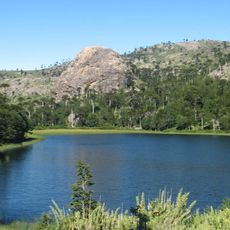
The volcano lies within Conguillío National Park, whose name comes from the Conguillío lake at its foot. The park is known for its araucaria forests, and the Sierra Nevada appears alongside the Llaima volcano in views across the lake basin.
Visiting the volcano requires going through Conguillío National Park and checking seasonal conditions before attempting to climb. The mountain routes change depending on weather, so preparing appropriately and following park rules is important.
Sierra Nevada's lavas are andesitic and basaltic, and the volcano has also produced pyroclastic flows; lahars remain a hazard on its slopes. Its activity is dated to the Pleistocene, possibly extending into the Holocene, so the edifice records a longer eruptive history than its dormant profile suggests.
The community of curious travelers
AroundUs brings together thousands of curated places, local tips, and hidden gems, enriched daily by 93,991 contributors worldwide.