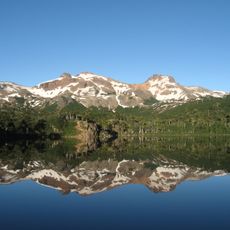
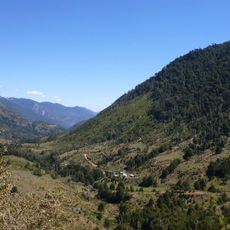
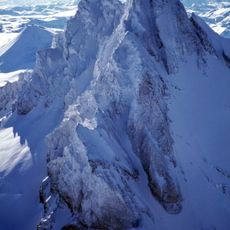
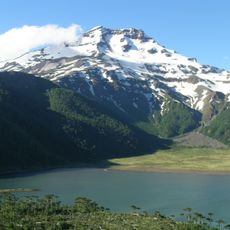
Callaqui, Stratovolcano in Biobio Region, Chile.
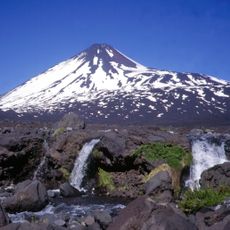
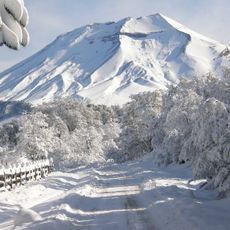
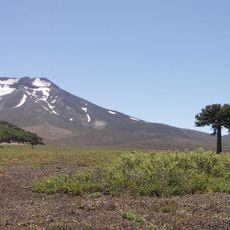
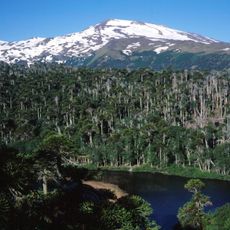
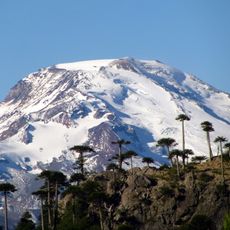
Callaqui is a stratovolcano in Chile's Bío Bío Region, formed along an 11 km northeast-southwest fissure. It is a large ice-capped basaltic andesite edifice rising to 3,164 m, with numerous cinder cones and lava flows erupted from vents along the fissure. Its morphology lies between a crater row and a stratovolcano.
The volcano experienced a recorded explosive eruption in 1751, followed by sporadic activity in 1864 and 1937. Small steam-driven ash emissions occurred in 1980.
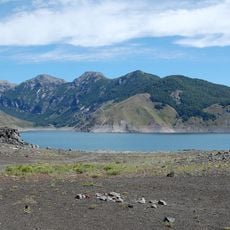
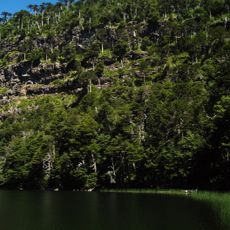
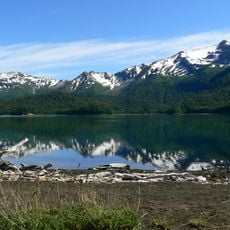
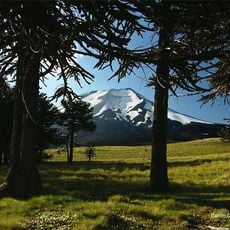
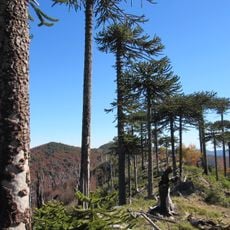
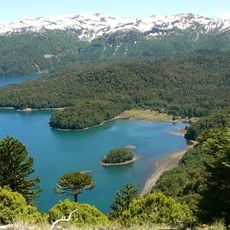
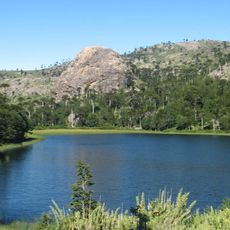
Callaqui forms the centrepiece of the Ralco National Reserve, a protected area in the Biobío Region. Visitors to the reserve see the ice-capped volcano rising above its surroundings, and the reserve setting frames how the mountain is encountered today.
The best time to visit is during drier months, as accessibility becomes difficult in rainy weather. Bring sturdy footwear and weather protection, as the site is exposed to strong winds and changing conditions.
Callaqui is one of the few volcanoes whose form lies between a crater row and a stratovolcano, built from mixed lava and tephra eruptions; the other commonly cited example is Hekla in Iceland. The volcano is the centrepiece of Ralco National Reserve.
The community of curious travelers
AroundUs brings together thousands of curated places, local tips, and hidden gems, enriched daily by 92,642 contributors worldwide.