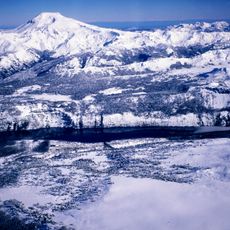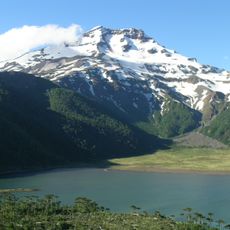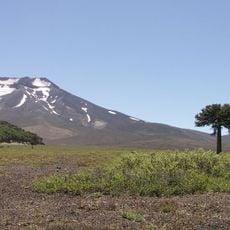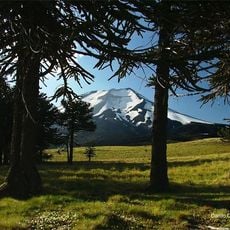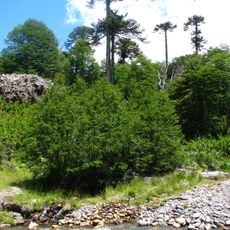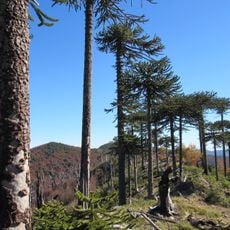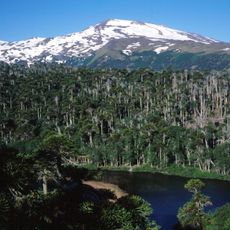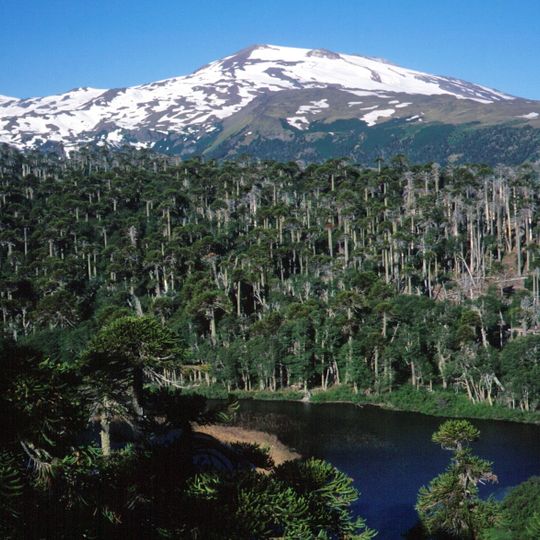
Copahue, Stratovolcano in Bío Bío Region, Chile
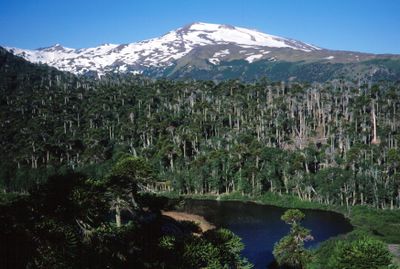
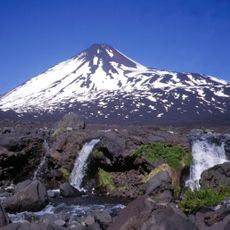
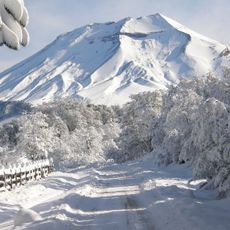
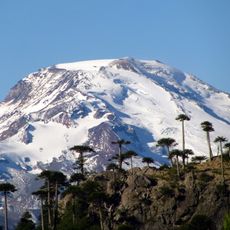
Copahue is a stratovolcano on the border between Chile and Argentina with nine craters spread along a line about 2 kilometers (1.2 miles) long. The easternmost crater holds an acidic lake roughly 300 meters (984 feet) wide.
The caldera formed roughly 600,000 years ago and produced pyroclastic flows that traveled 37 kilometers (23 miles) from the center. Since then, several eruption phases have shaped the present line of craters.
The name comes from the Mapuche language and refers to the sulfurous waters found in this region. Local people have known the area for centuries because of the warm springs and mineral-rich soil.
The Chilean agency SERNAGEOMIN releases regular reports on volcanic activity that help assess current conditions. Travelers should check official safety guidance before heading into the surrounding area.
The eastern summit crater holds a lake with a pH between 0.18 and 0.30, one of the most acidic on Earth. This acidity dissolves volcanic rock and produces liquid sulfur fragments in the water.
The community of curious travelers
AroundUs brings together thousands of curated places, local tips, and hidden gems, enriched daily by 90,888 contributors worldwide.