Argentina, Country in southern South America
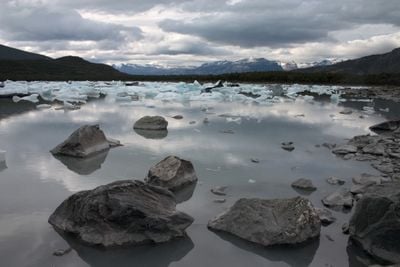
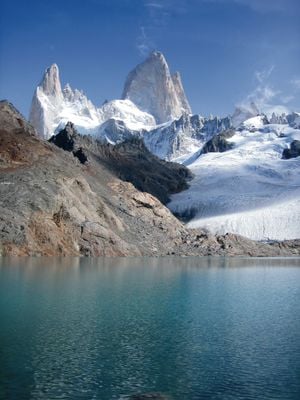
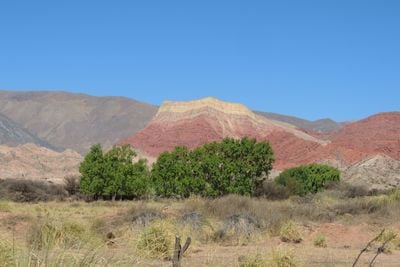
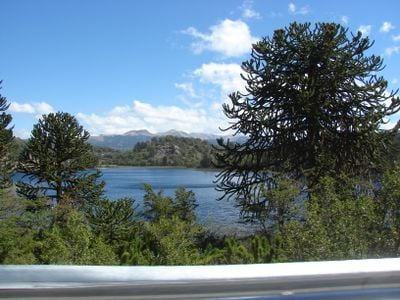
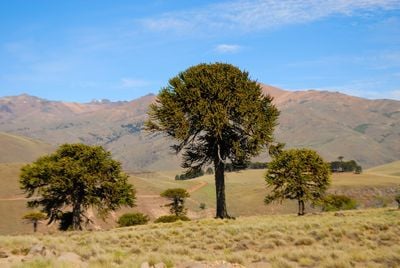
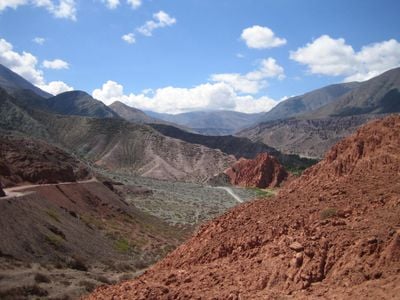
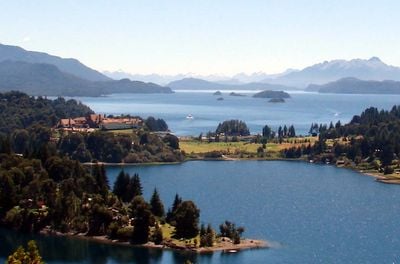
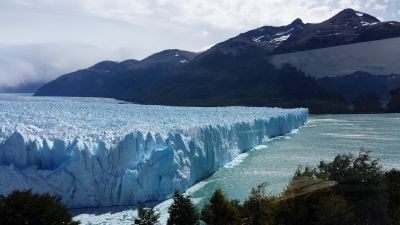
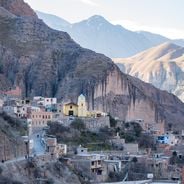
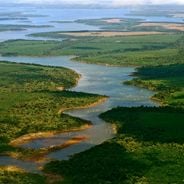
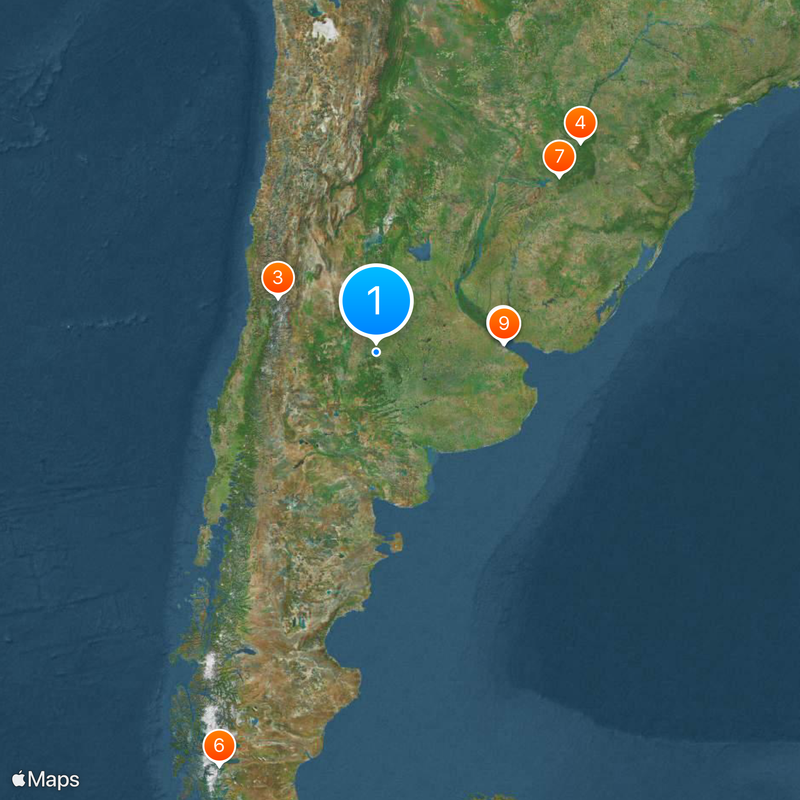
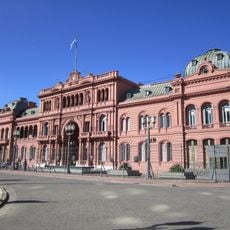
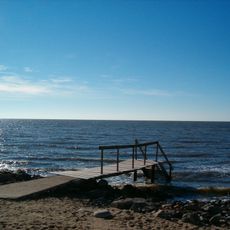
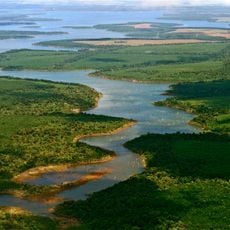
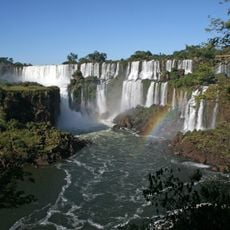
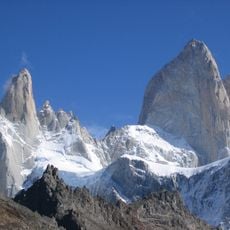
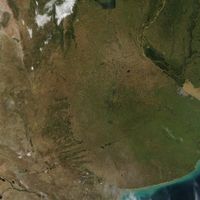
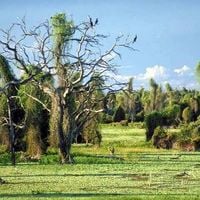
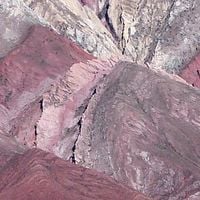
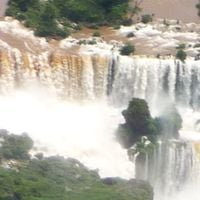
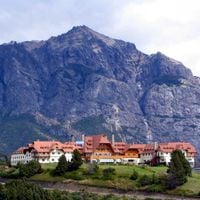
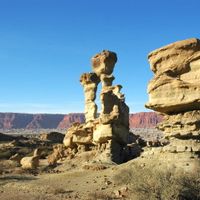
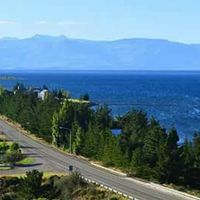
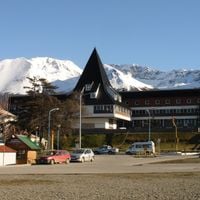
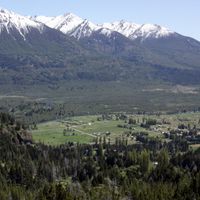
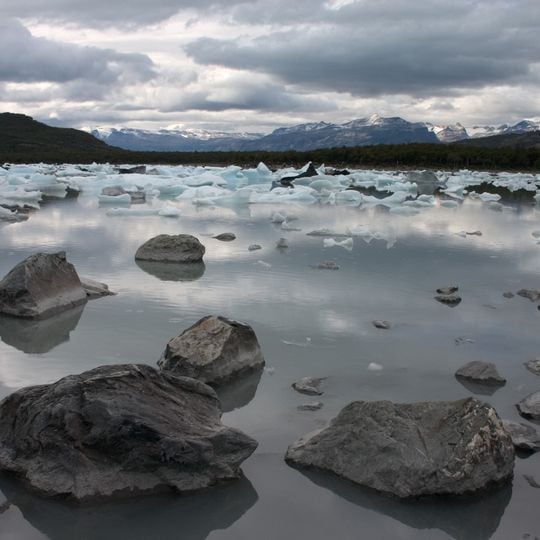
Argentina is a federal republic in South America extending from the Andes to the Atlantic Ocean, covering tropical forests, grasslands, deserts and subpolar zones. The national territory borders Chile along the western mountain range and opens eastward with a long Atlantic coastline, while subtropical conditions dominate the north and Patagonian landscapes shape the southern regions.
Spanish colonization started in the 16th century and established the Viceroyalty of Río de la Plata as an administrative unit. The May Revolution of 1810 launched the independence process that concluded with the formal Declaration of Independence in 1816, before military dictatorships followed in the 20th century and democracy returned in 1983.
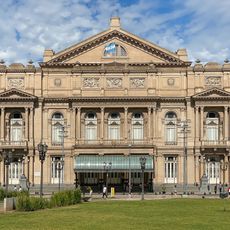
The nation merges indigenous traditions with European influences, with Spanish as the dominant language. Tango developed in Buenos Aires into a globally recognized music style. Asado grilling traditions and mate tea shape daily social life among urban and rural populations throughout the territory.
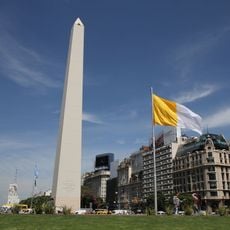
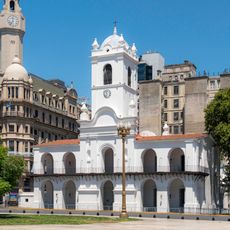
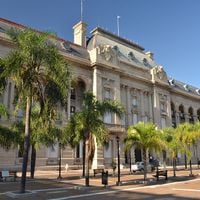
The peso serves as national currency and the timezone follows GMT-3 across the entire territory. Buenos Aires functions as the capital with international flight connections, while Spanish skills ease communication, though English is common in tourist areas and larger cities.
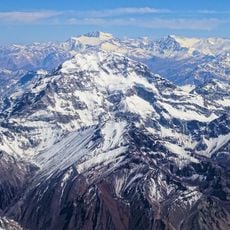
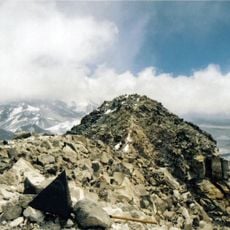
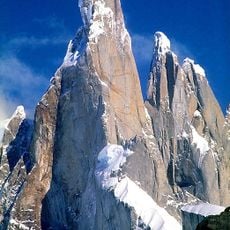
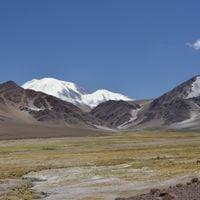
The country operates research stations in Antarctica and maintains 35 national parks protecting different ecosystems. Península Valdés receives southern right whales during breeding season, while Aconcagua at 6961 meters is the highest mountain outside Asia.
The community of curious travelers
AroundUs brings together thousands of curated places, local tips, and hidden gems, enriched daily by 90,753 contributors worldwide.