Salta Province, Northwestern province in Argentina
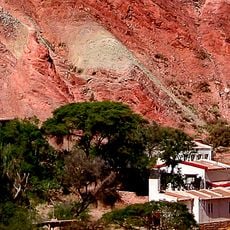
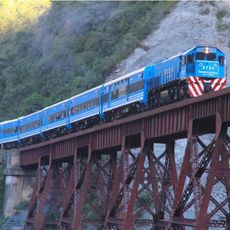
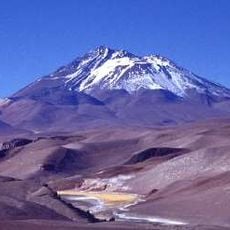
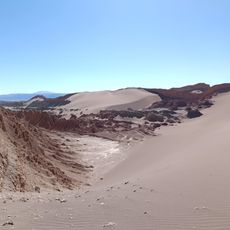
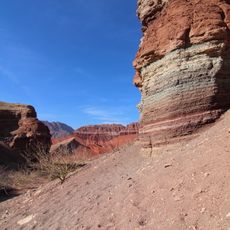
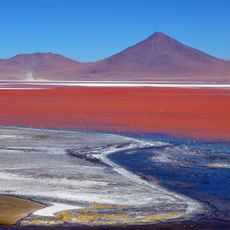
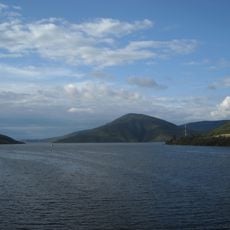
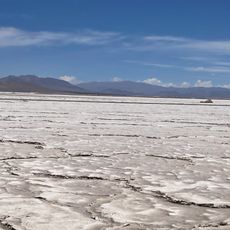
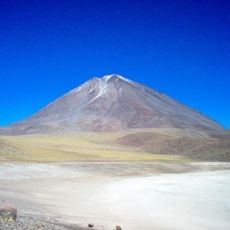
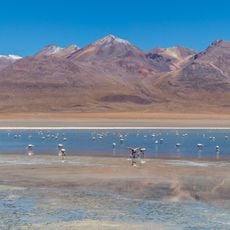
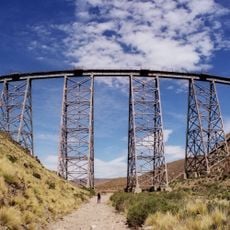
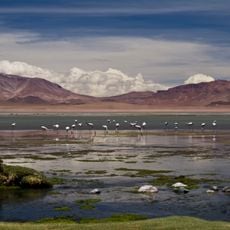
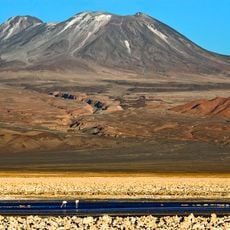
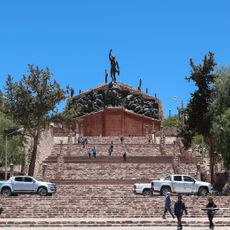
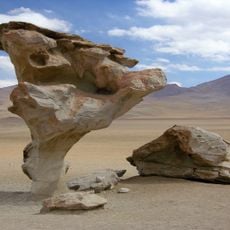
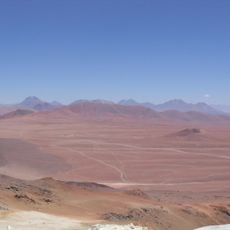
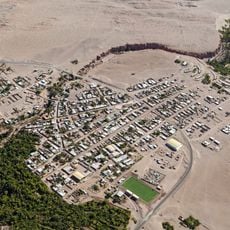
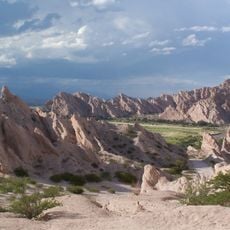
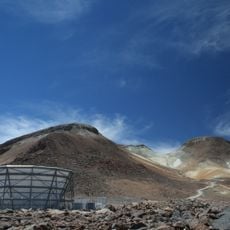
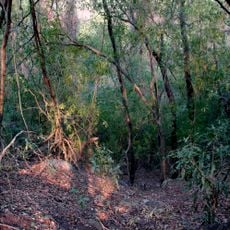
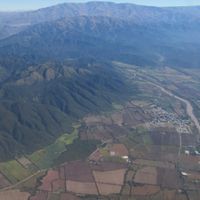
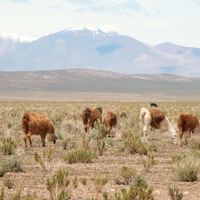
This region is a province in northwest Argentina that stretches from dense forests in the east to barren high mountain zones in the west. The landscape shifts between deep gorges, fertile valleys with grapevines, and barren plateaus where llamas graze.
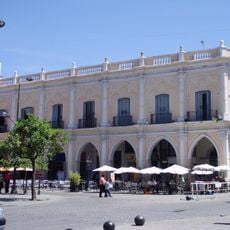
Spanish expeditions reached the area in the first half of the 16th century and founded settlements that later formed the core of the territory. The region became an important trading post between the Viceroyalty of the Río de la Plata and the Andes.
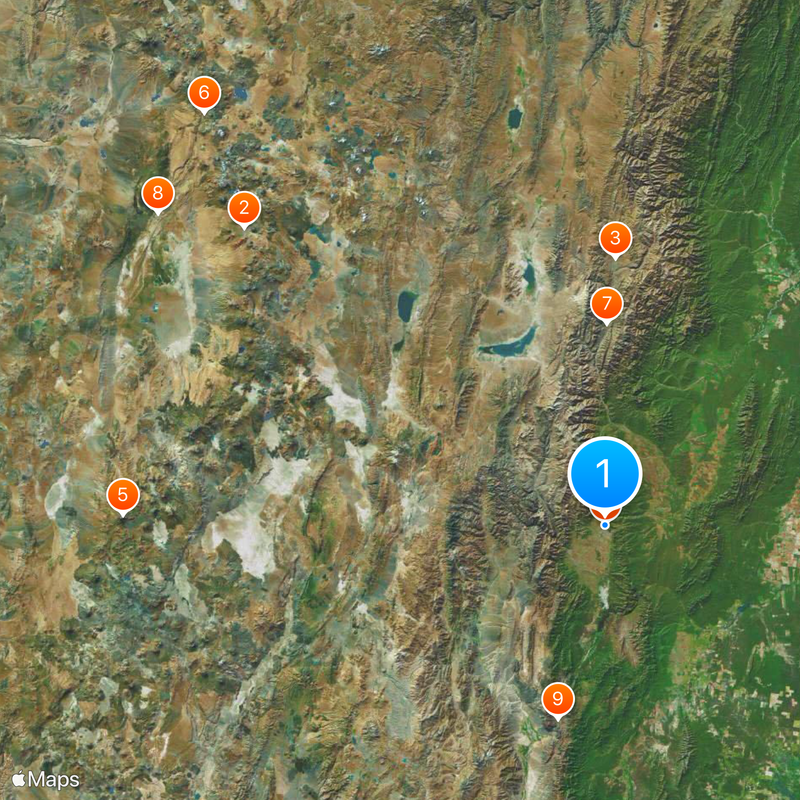
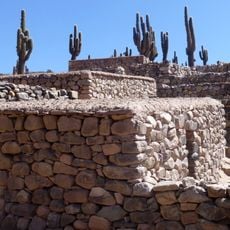
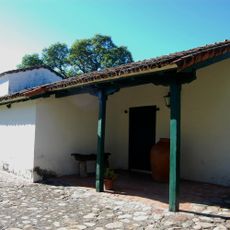
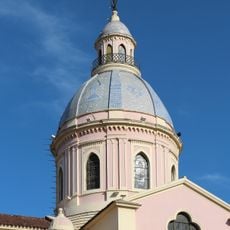
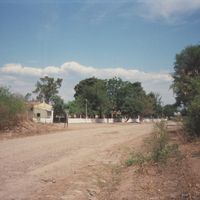
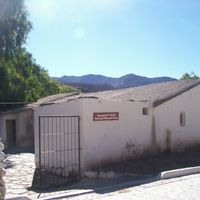
Pre-Hispanic roots show in architecture with low adobe structures, colorful weavings sold at local markets, and folk music featuring drums and flutes. Religious celebrations blend Catholic traditions with older customs, with processions often winding through narrow streets and participants wearing traditional clothing.
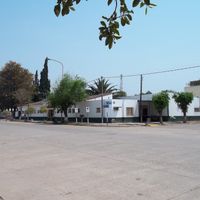
Most towns sit along or near National Route 9, which runs north to south and connects the main population centers. Many sections in the west are best reached with high-clearance vehicles, especially during the rainy season from December to March.
Vineyards in the Calchaquí valleys reach elevations above 1700 meters (5577 feet), exposing the vines to strong sunlight and cool nights. These conditions favor the cultivation of Torrontés, a white grape variety that becomes especially aromatic here.
The community of curious travelers
AroundUs brings together thousands of curated places, local tips, and hidden gems, enriched daily by 92,326 contributors worldwide.