Galán, volcanic caldera in Catamarca Province, Argentina
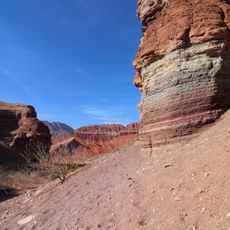
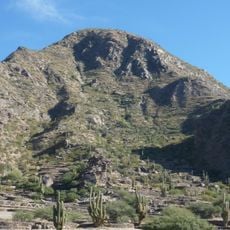
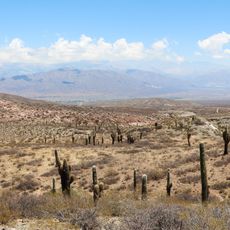
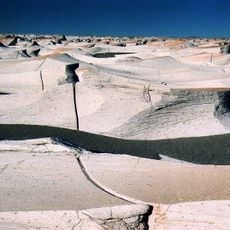
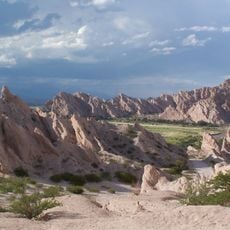
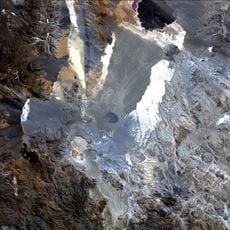
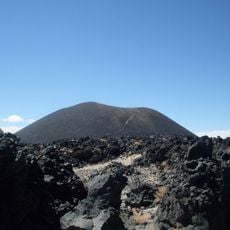
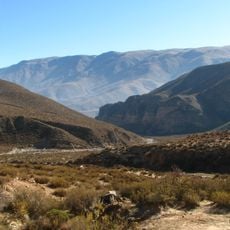
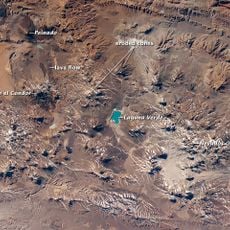
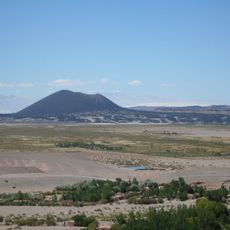
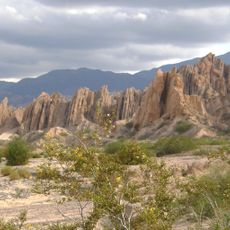
Galán is a massive volcanic caldera in Catamarca Province, representing one of the largest exposed calderas in the world. The formation extends across immense dimensions and displays the structure of a large volcanic system with multiple basins and terrain features.
The caldera formed between 5.6 and 4.51 million years ago as a result of massive volcanic activity in this region. The formation affected the surrounding landscape and left geological features still visible today.
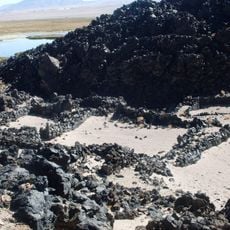
The name comes from Quechua "Kkala", meaning "bare", for the absence of vegetation. On the summit stand three stone pircas where silver figurines and spondylus shell objects were found, evidence of Inca presence in Argentina. An Inca tambo stood at Laguna Diamante, on a prehistoric travel route through the caldera.
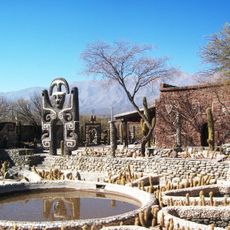
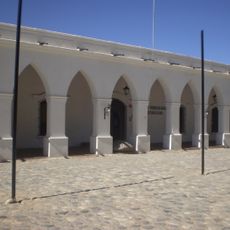
Access is by 4×4 from Antofagasta de la Sierra or the village of El Peñón, where a hotel of thick adobe walls provides lodging and trained local guides can be hired. No visible track leads to the caldera rim, so the final approach is not possible without a guide who knows the area. The caldera floor lies at about 4,500 m, so allow time to acclimatize before walking.
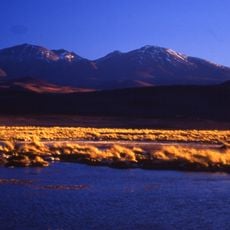
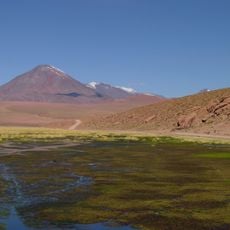
Laguna Diamante, in the caldera's southwestern corner, is hyper-alkaline and about five times as salty as the sea. Its waters hold high arsenic levels and face intense ultraviolet radiation, yet microbial mats and tube-shaped microbialites grow there and feed a colony of flamingos.
The community of curious travelers
AroundUs brings together thousands of curated places, local tips, and hidden gems, enriched daily by 94,456 contributors worldwide.