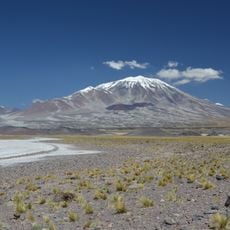
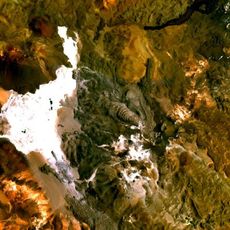
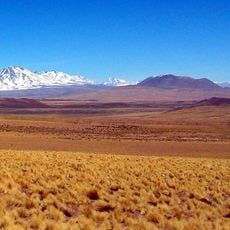
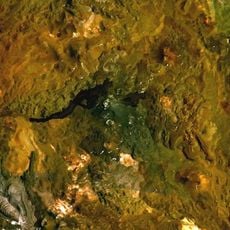
Antofalla, Andean volcano and hamlet in Catamarca Province, Argentina
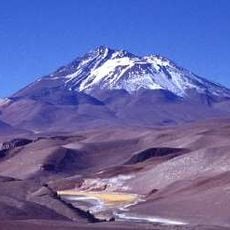
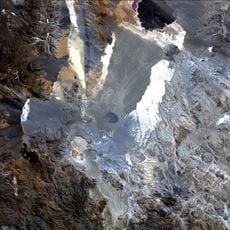
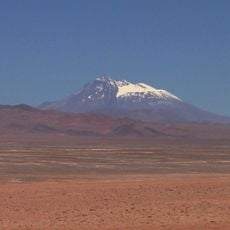
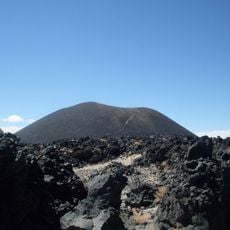
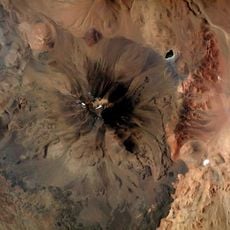
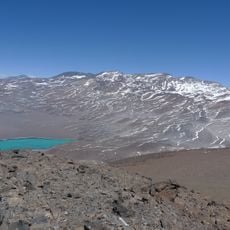
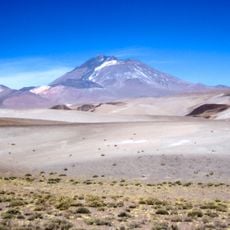
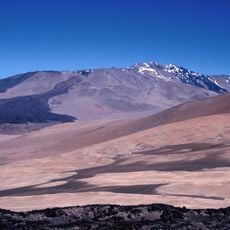
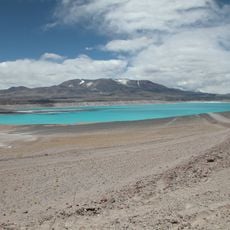
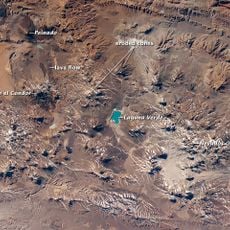
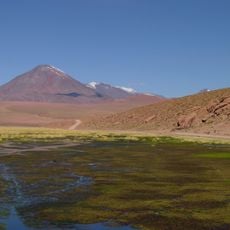
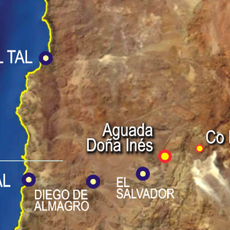
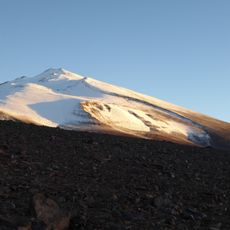
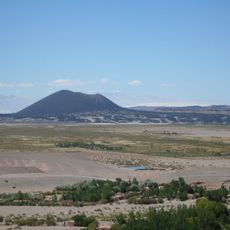
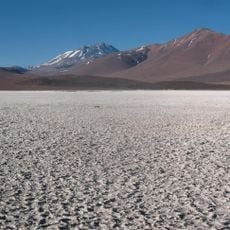
Antofalla is a stratovolcano rising about 6,440 meters (21,130 feet) with a tiny settlement of roughly 40 people located at its base around 3,300 meters (10,827 feet) elevation. The site sits near a large salt flat and is surrounded by barren high-altitude terrain.
Indigenous Andean peoples inhabited and used the region for centuries, adapting to the harsh high-altitude climate. Access to the area improved significantly after a road was built in the early 1990s across the Abra de los Colorados pass.
The name Antofalla comes from the Kunza language and means "place where the sun dies", a reference to the western summit that catches the last light. The village of about a hundred inhabitants is the only settlement in this near-uninhabited region, and south of it stands the abandoned hamlet of Vega Las Quinuas, where Antonio Alancay and his wife Catalina still live.
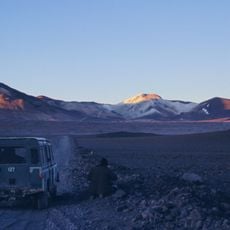
The settlement is reachable only by sturdy four-wheel-drive vehicle from Antofagasta de la Sierra, with unpaved roads requiring several hours of travel. Visitors should prepare for extreme altitude, cold weather, and isolated conditions.
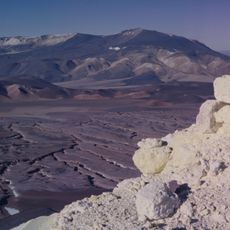
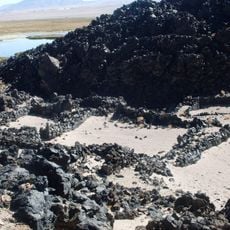
Pre-Columbian constructions have been found on Antofalla, including a platform and a stone pyramid altar on the summit, plus reports of monoliths. From the top, the volcanoes Llullaillaco, Pajonales and Pular can be seen.
The community of curious travelers
AroundUs brings together thousands of curated places, local tips, and hidden gems, enriched daily by 94,559 contributors worldwide.