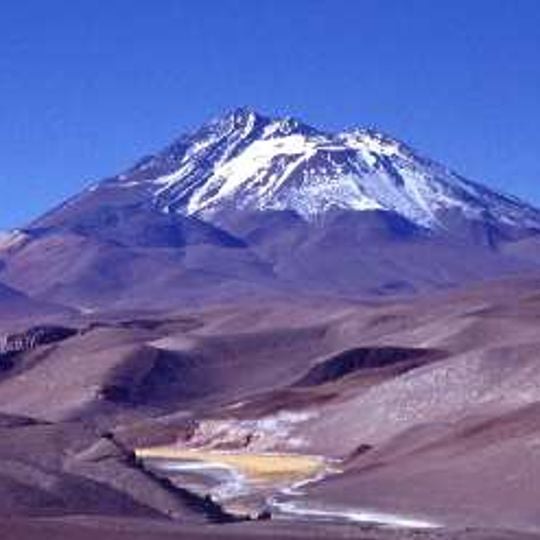
Llullaillaco, Stratovolcano at Chile-Argentina border
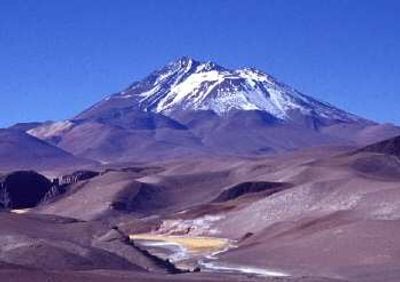
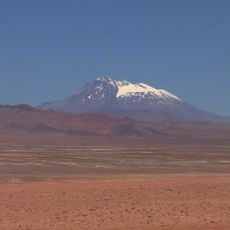
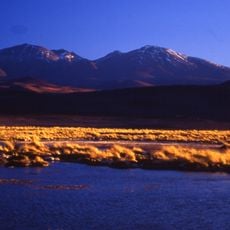
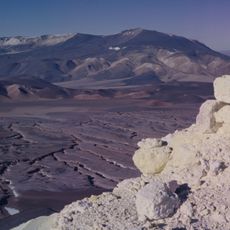
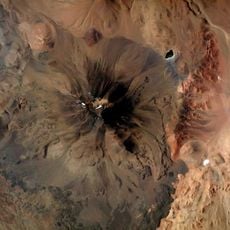
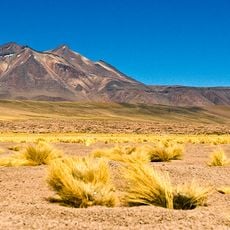
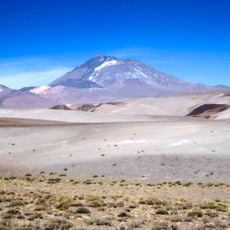
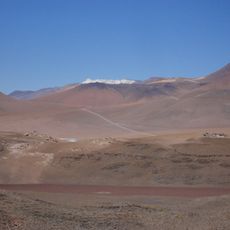
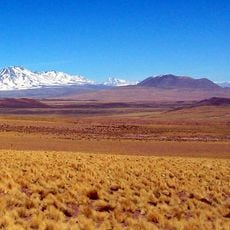
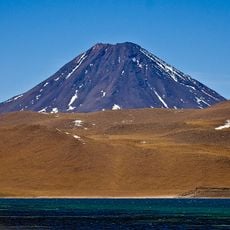
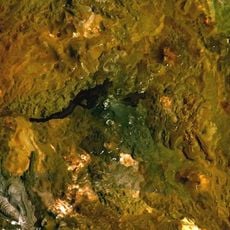
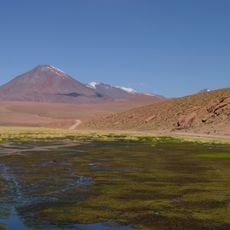
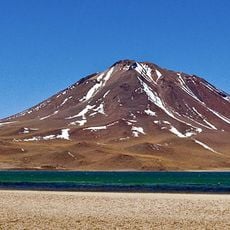
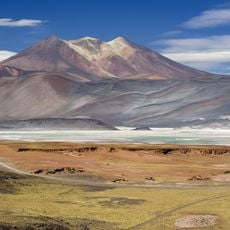
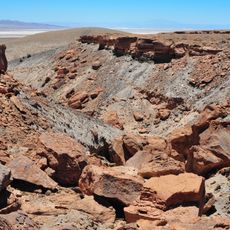
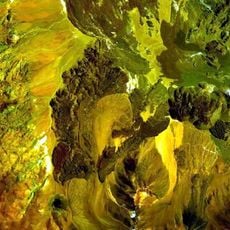
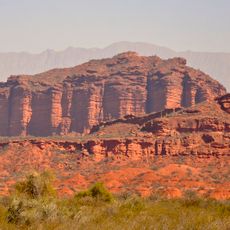
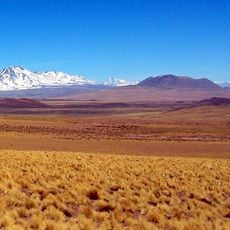
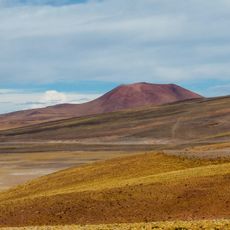
Llullaillaco is a stratovolcano on the border between Chile and Argentina that rises to 6739 meters (22109 feet) in the Andes. The mountain flanks show distinct layers of solidified lava and volcanic ash, while the summit area is covered with ice and snowfields.
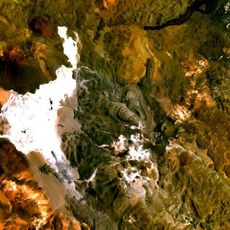
The volcano formed around 1.5 million years ago through repeated eruptions and has remained sporadically active until today. About 150000 years ago, part of the southeastern flank collapsed and left an extensive debris avalanche in the lowlands.
The name comes from the Aymara language and means deceitful water, referring to the rare ice fields in this dry high-altitude world. Inca priests once performed religious ceremonies here, and traces of their rituals remain visible near the summit.
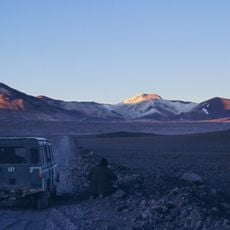
Several routes lead from the Chilean and Argentine lowlands to the summit and partly follow old Inca paths. Most ascents begin in the dry season between November and March when snow and ice cause the fewest difficulties.
In 1999, archaeologists found three mummified children from Inca times at the summit, exceptionally well preserved by cold and dryness. This discovery made the mountain the highest archaeological site on Earth.
The community of curious travelers
AroundUs brings together thousands of curated places, local tips, and hidden gems, enriched daily by 91,880 contributors worldwide.