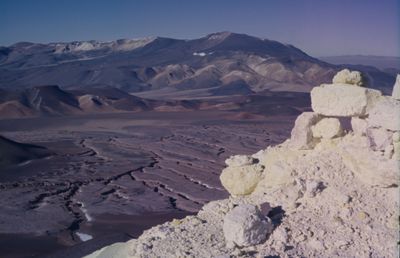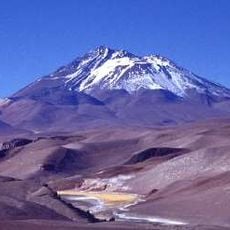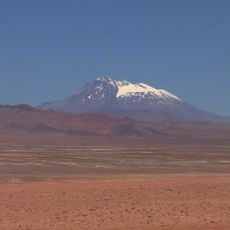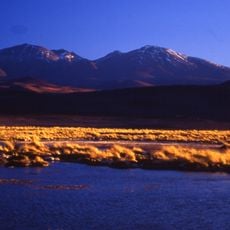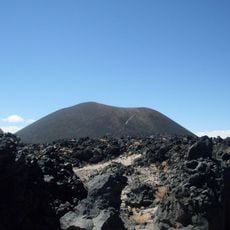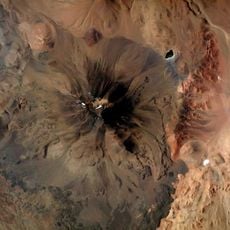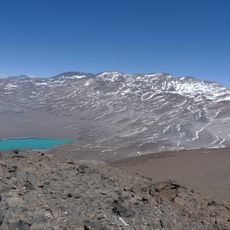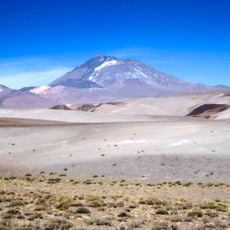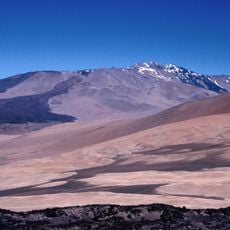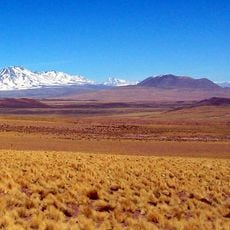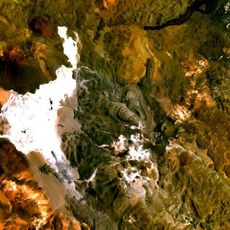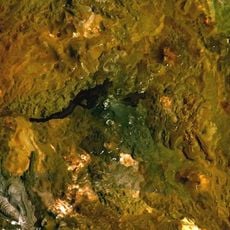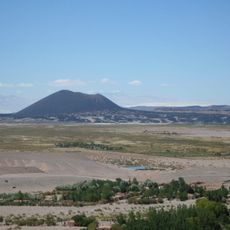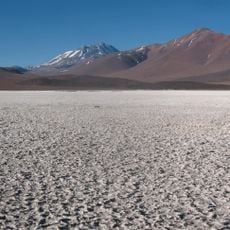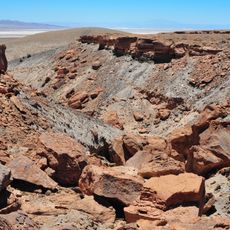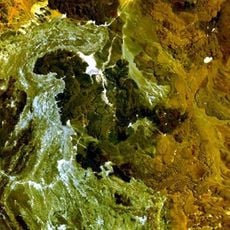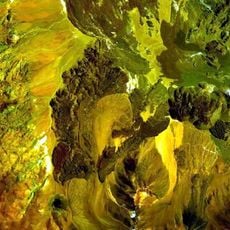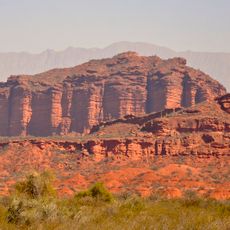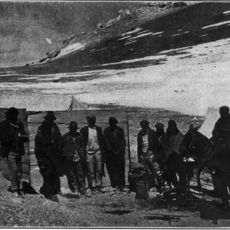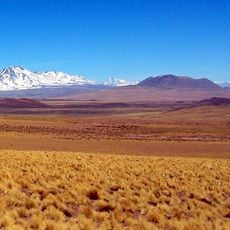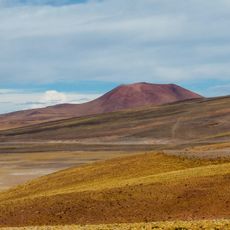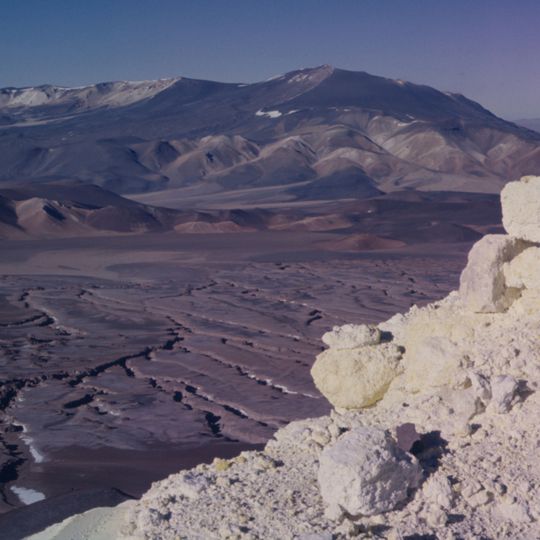
Lastarria, Stratovolcano in Antofagasta Region, Chile.
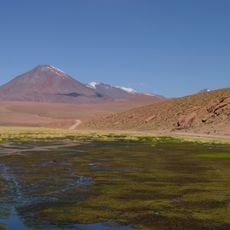
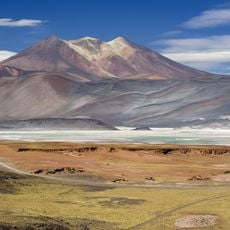
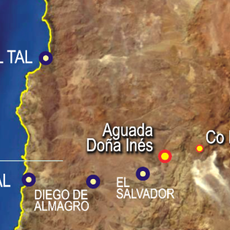
Lastarria is a stratovolcano in the northern Chilean Andes, near the Argentine border, in the Antofagasta Region. Its cone is built from layers of solidified lava and ash deposits that have accumulated over many eruption cycles.
Lastarria began forming during the Pleistocene and took its current shape through repeated eruptions over a long period. Each eruptive phase added new rock layers, gradually building the cone that can be seen today.
In Andean tradition, high mountain peaks like this one are seen as living beings called Apus, believed to watch over the surrounding land and its people. Offerings are sometimes left near the base of such mountains during local ceremonies.
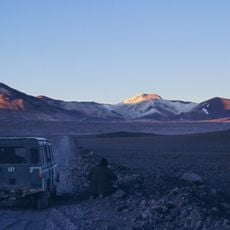
Reaching Lastarria requires solid experience at high altitude and appropriate gear for cold and wind, since the area has no infrastructure nearby. Planning the visit with a professional guide is strongly recommended, as the terrain is demanding and conditions can change fast.
Lastarria has one of the hottest known fumarole fields in the world, with gases escaping at temperatures that can exceed 400 degrees Celsius (750 degrees Fahrenheit). These vents leave behind bright yellow sulfur deposits that color parts of the summit area in a way that is visible from a distance.
The community of curious travelers
AroundUs brings together thousands of curated places, local tips, and hidden gems, enriched daily by 91,336 contributors worldwide.