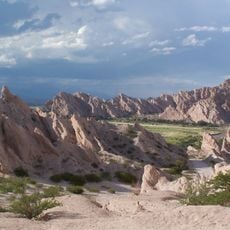
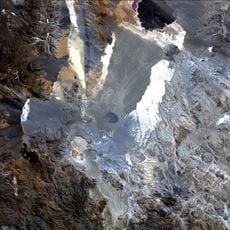
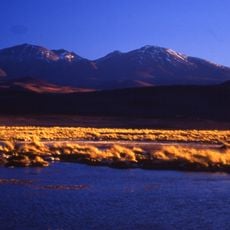
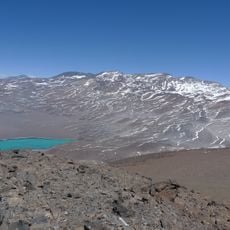
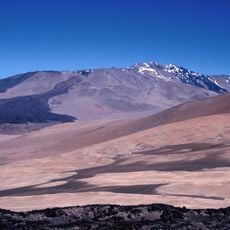
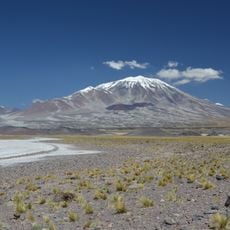
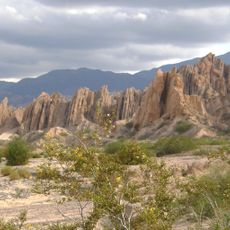
Antofagasta de la Sierra, Volcanic region in Catamarca Province, Argentina.
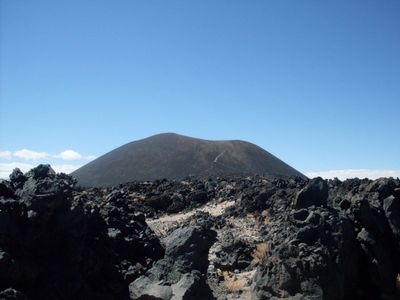
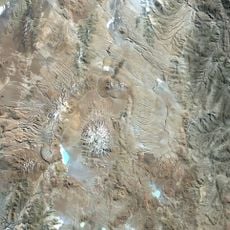
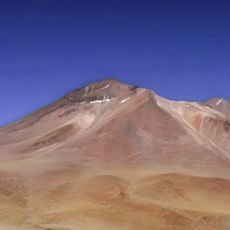
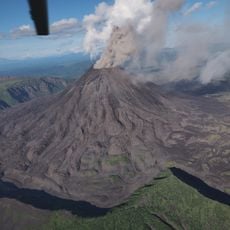
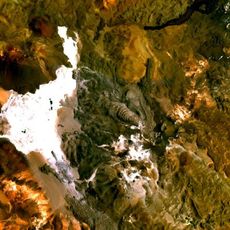
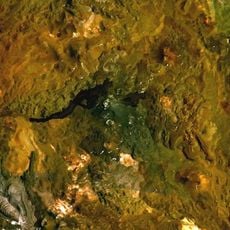
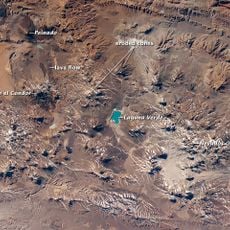
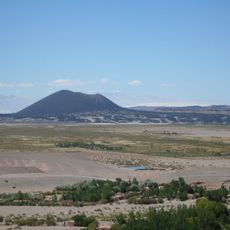
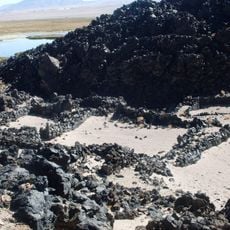
Antofagasta de la Sierra is a volcanic field in Catamarca Province, Argentina, made up of scoria cones such as La Laguna, Jote and Alumbrera. Alumbrera cone rises 164 metres, has an elliptical shape 1.3 kilometres long and a 50-metre-wide crater with lapilli in alum, ochre and sulfur colours. Its lava flow covers 41.3 square kilometres.
The area was originally home to Atacameño peoples and became part of the Salta del Tucumán Intendancy within the Viceroyalty of Rio de la Plata in 1780. This colonial reorganization reshaped territorial boundaries while local communities continued their traditional lifeways.
Local families practice herding and farming in ways their ancestors developed over centuries, with strong ties to the land and traditional knowledge. This way of life shapes how the community moves through the landscape.
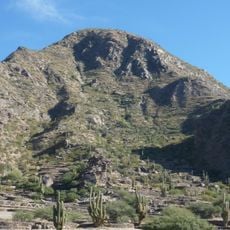
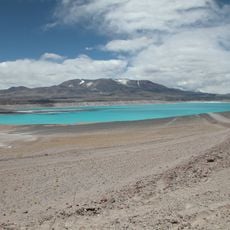
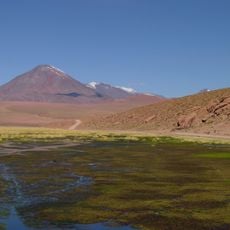
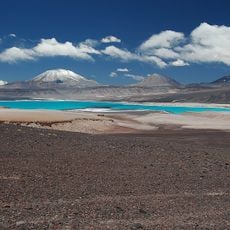
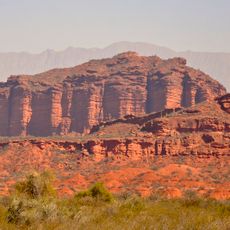
The cones sit 5–7 km south of Antofagasta de la Sierra village, reached by road across the Catamarca Puna; the Alumbrera cone rises 164 m above the surrounding lava field. The terrain is high, arid and wind-eroded, with no facilities at the vents, so carry water and sun protection and allow time for the altitude.
Alumbrera cone, 164 m high and 1.3 km long, is elliptical because wind shaped its growth, and its northwestern flank partly collapsed. Its 50 m crater is filled with lapilli in alum, ochre and sulfur colours. Minerals including alum, a mix of aluminium and magnesium sulfate, were mined by the local population.
The community of curious travelers
AroundUs brings together thousands of curated places, local tips, and hidden gems, enriched daily by 93,818 contributors worldwide.