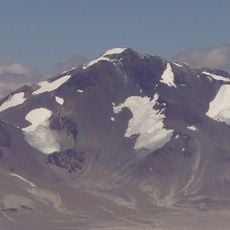
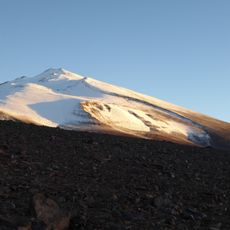
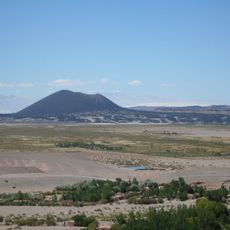
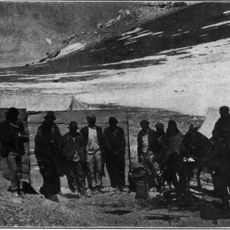
Falso Azufre, Stratovolcano in Atacama region, Chile
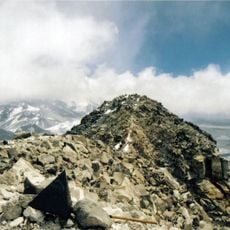
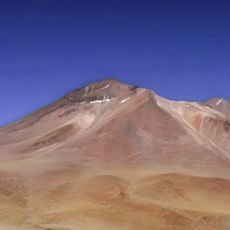
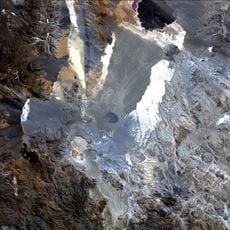
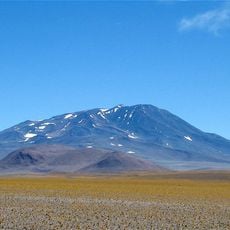
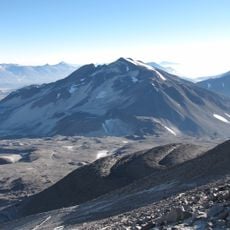
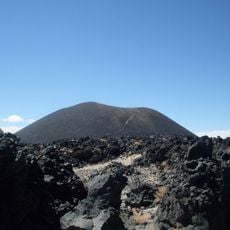
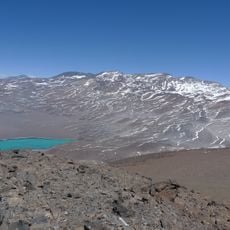
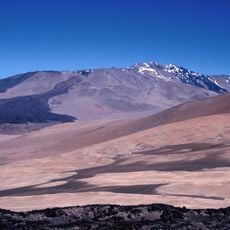
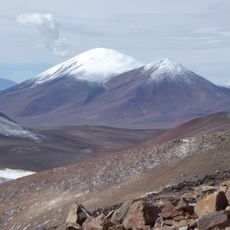
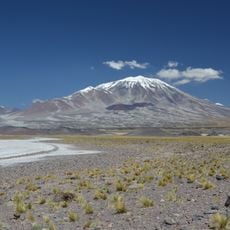
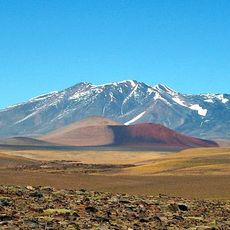
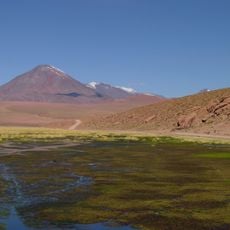
Falso Azufre is a stratovolcano located in the Atacama region along the Chile-Argentina border, with its peak reaching about 5,906 meters. The structure consists of multiple craters and lava domes distributed across the volcanic complex.
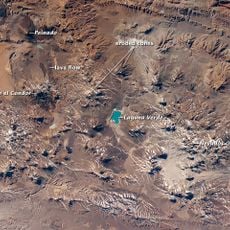
The Kunstmann edifice on the northwestern side is the oldest dated part, at 3.5 to 2.9 million years ago; it preserves a 3 km wide scar from a sector collapse. All other dated rocks are younger than one million years, with ages decreasing eastward: the eastern Dos Conos domes and cones, whose lava flows reach 7 km, gave the youngest date, 160,000 ± 80,000 years ago.
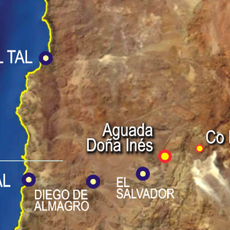
The name Falso Azufre ("false sulphur") refers to the volcano's lack of sulphur deposits, unlike neighbouring peaks. The mountain marks the border between Catamarca Province and the Atacama Region, about 10 km north of the San Francisco Pass, and the Argentine National Route 60 passes nearby, linking Córdoba and Buenos Aires with Copiapó on the Chilean coast.
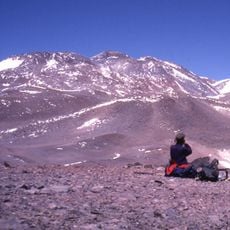
The location is very high and cold, so proper acclimatization and warm, waterproof clothing are essential. Access is restricted and typically requires special permits, along with preparation for harsh weather and rough terrain.
The volcano has an unusual curved alignment of vents that form an arc shape, making it visually distinct from other volcanoes in the region. This curved structure resulted from the specific geological forces at work during its formation.
The community of curious travelers
AroundUs brings together thousands of curated places, local tips, and hidden gems, enriched daily by 92,791 contributors worldwide.