Nevado San Francisco, Extinct stratovolcano on the Chile-Argentina border, Copiapó province and Catamarca province
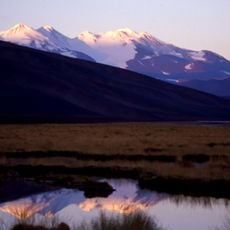
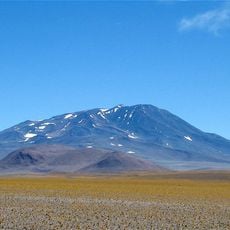
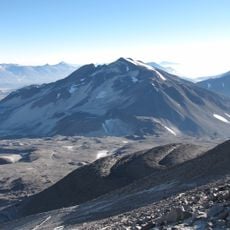
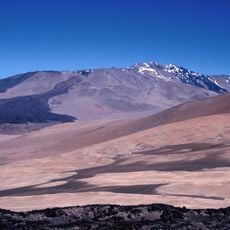
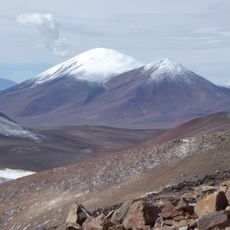
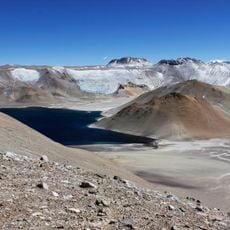
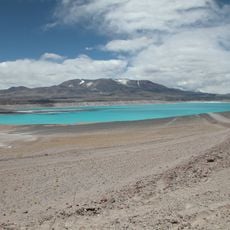
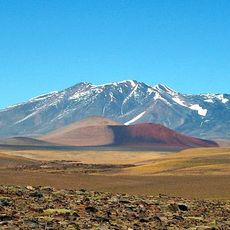
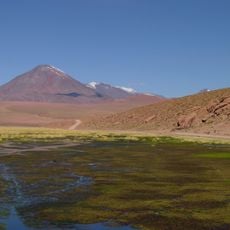
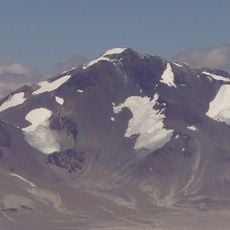
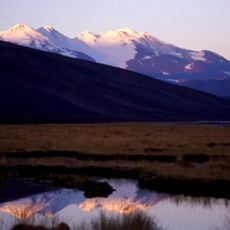
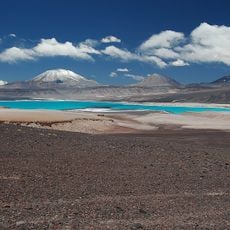
Nevado San Francisco is a stratovolcano located on the Chile-Argentina border that rises to 6016 meters above sea level. The structure combines multiple volcanic cones and lava formations spread across a significant area.
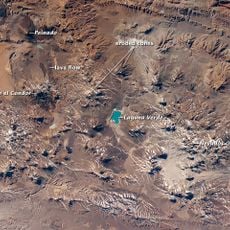
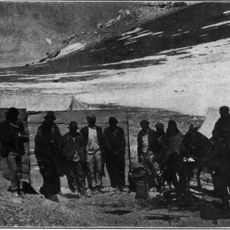
San Francisco is an extinct stratovolcano of the Central Volcanic Zone, built mainly of andesite, with basaltic cones and lava flows on its eastern side linked to the Peinado lineament; a sample there was dated at 200,000 years by argon chronology. Walther Penck, a German geologist, made the first ascent on 16 December 1913.
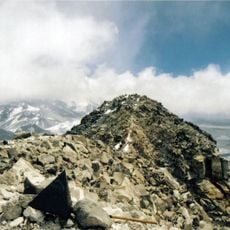
The summit contains circular structures from pre-colonial periods, indicating the presence of indigenous civilizations at these high-altitude locations.
The climbing season runs from September to April, so plan ascents within that window rather than the southern winter. The peak is rarely visited despite being among the most accessible 6,000 m summits in the world. Approach from the San Francisco Pass, just northwest of the mountain, and allow days for acclimatization before the summit.
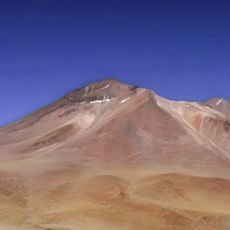
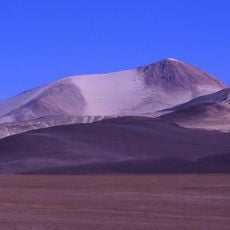
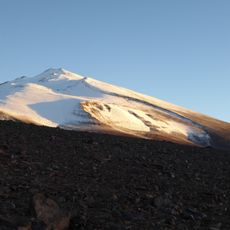
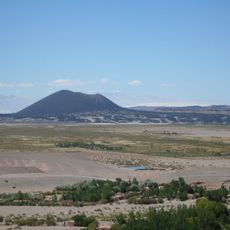
The eastern slopes display dark basaltic cones while the western face shows lighter colored lava domes. This contrast reflects different eruption patterns that occurred at different times in the volcano's history.
The community of curious travelers
AroundUs brings together thousands of curated places, local tips, and hidden gems, enriched daily by 92,654 contributors worldwide.