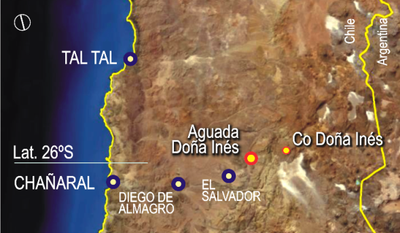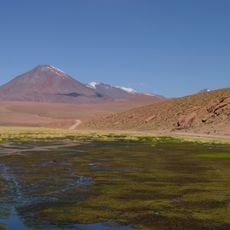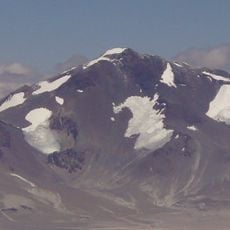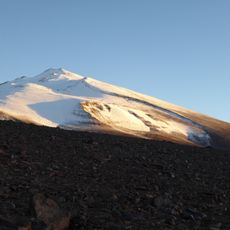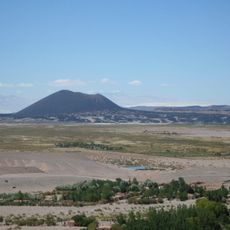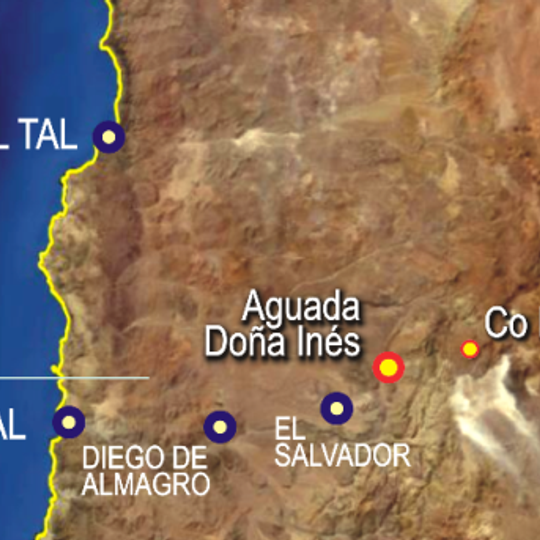
Cerro Doña Inés, mountain in Chile
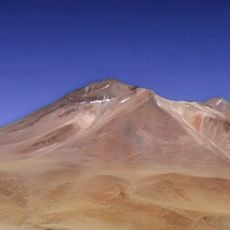
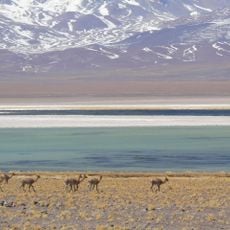
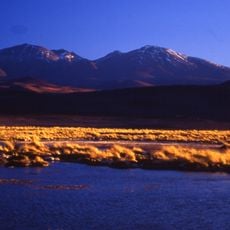
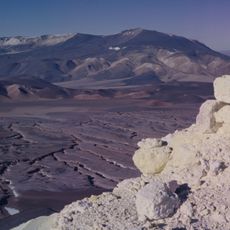
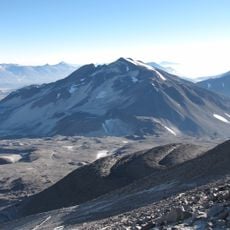
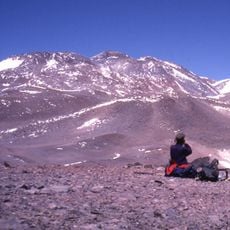
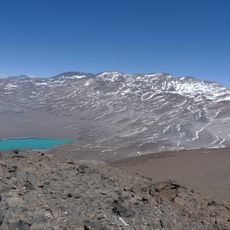
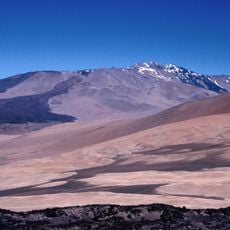
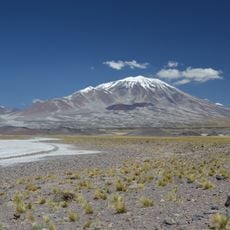
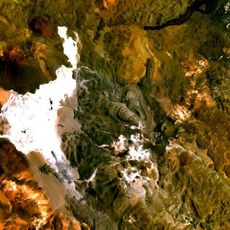
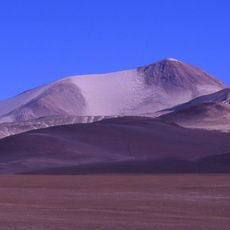
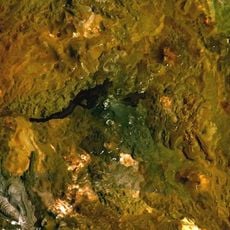
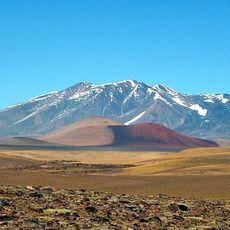
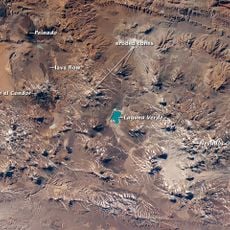
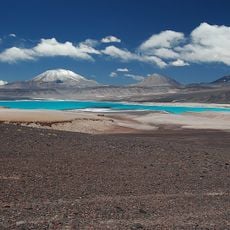
Volcan Dona Ines is a stratovolcano in the Chilean Andes rising above five thousand meters with steep upper slopes built from thick lava flows. Its eastern flanks display smaller lava domes and deposits from past volcanic activity.
The volcano formed during the Miocene period about fifteen million years ago when volcanic activity was widespread across the region. Its development is linked to the geological evolution of the Andes, with major eruptions of thick rhyolitic material occurring over sixteen million years ago.
The volcano is known locally as part of the natural heritage and holds meaning in regional stories and mountain culture. Explorers and climbers have connected it to the identity of the high Andes.
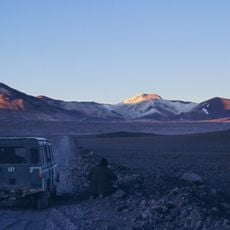
Visitors should prepare for high altitude and rapidly changing weather that make the climb demanding. Sturdy footwear, warm clothing, and adequate supplies are needed for trekking in this harsh environment.
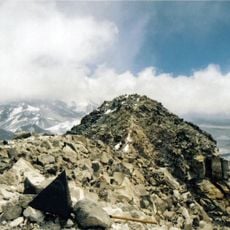
The summit, at 5,092 m according to Spanish sources, holds the ruins of an Inca sanctuary dedicated to the Sun and Moon; the English Wikipedia gives 5,075 m. Legend attributes the name to Inés de Suárez, companion of Pedro de Valdivia.
The community of curious travelers
AroundUs brings together thousands of curated places, local tips, and hidden gems, enriched daily by 92,694 contributors worldwide.