Cordón del Azufre, Volcanic complex in Central Andes, Chile
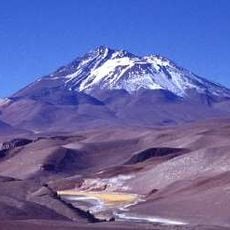
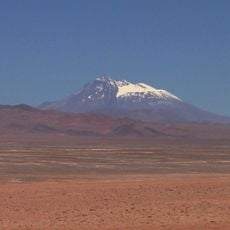
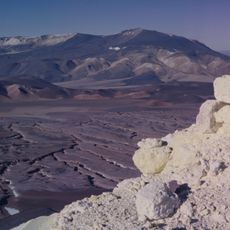
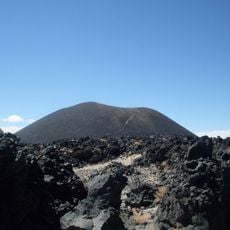
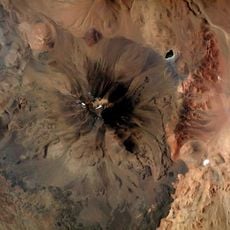
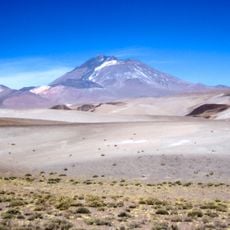
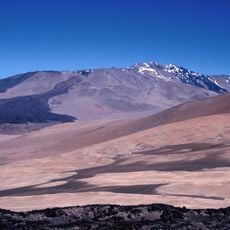
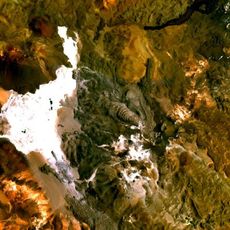
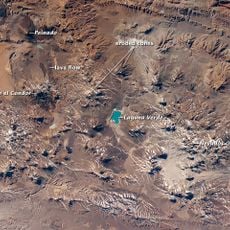
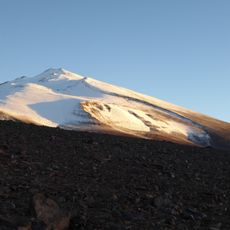
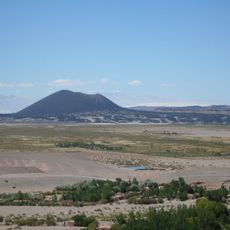
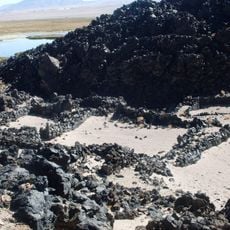
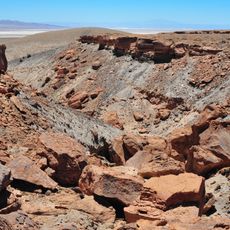
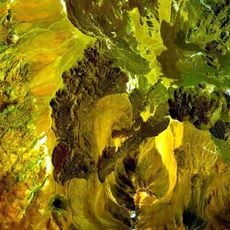
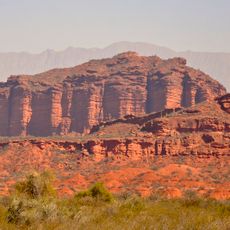
Cordón del Azufre is an inactive volcanic complex on the Argentina–Chile border, made up of four craters aligned north–south along a 5 km ridge. Lava flows cover 60 km², including a 25 km² field on the eastern side. The youngest part, La Moyra, sent a flow 6 km west and another 3 km east.
The volcano formed through tectonic processes where the Nazca Plate subducts beneath the South American Plate in this region. This ongoing plate convergence created the volcanic activity over millions of years that shaped the complex into its current form.
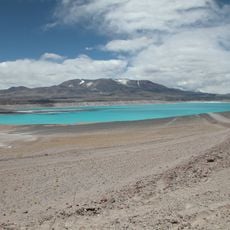
The area is uninhabited and remote, so there are no local communities or farming traditions to observe. The name refers to the sulfur deposits found on the volcano, which are also the source of sulfur in the Salar de Gorbea. The volcano is sometimes confused with the neighbouring Lastarria.
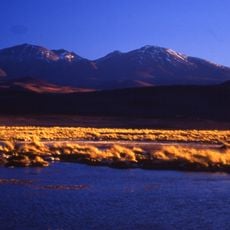
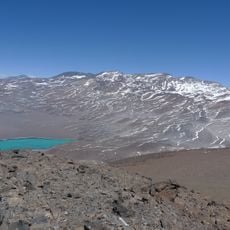
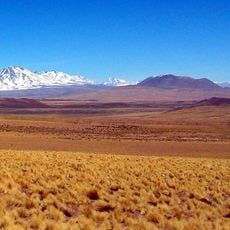
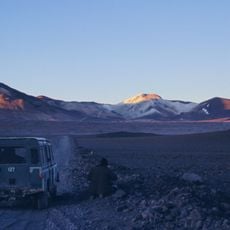
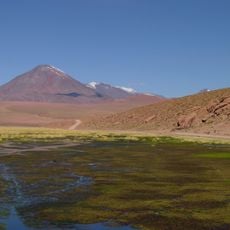
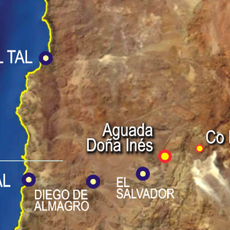
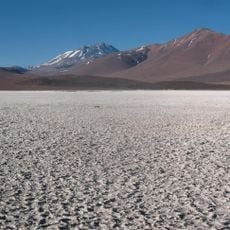
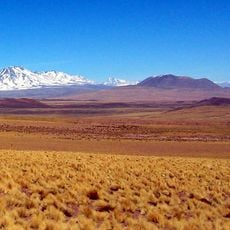
There are no roads or marked trails to the volcano, and the area is uninhabited and remote, so access requires an expedition organised in advance. The climate is arid and windy with high temperature variations, and the terrain is largely devoid of through-going drainages. The border position between Argentina and Chile means checking entry formalities on whichever side you approach from.
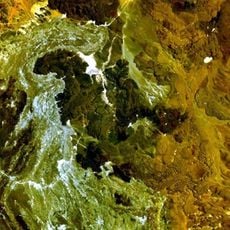
Since 1996–1998 a 2,000 km² ellipse between Lastarria and Cordón del Azufre has been rising; the area is named Lazufre after the two volcanoes. Deformation data suggest uplift has continued for at least 400,000 years, making it one of the largest such systems on Earth, comparable to Long Valley and Yellowstone.
The community of curious travelers
AroundUs brings together thousands of curated places, local tips, and hidden gems, enriched daily by 94,233 contributors worldwide.