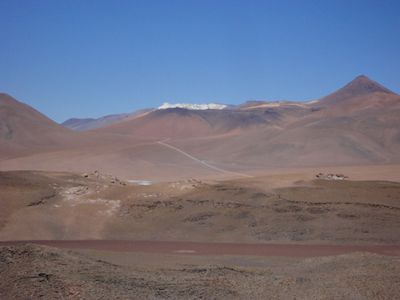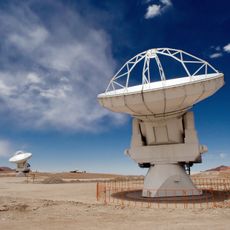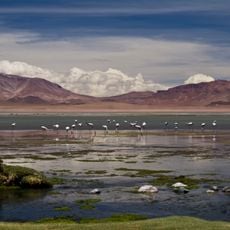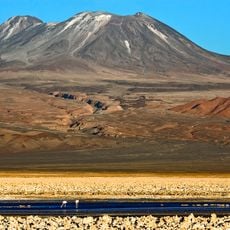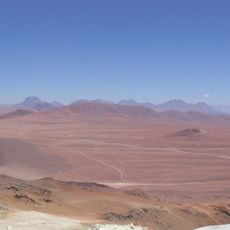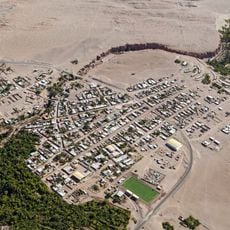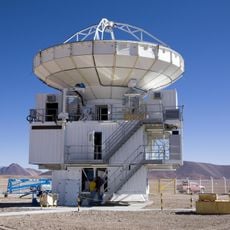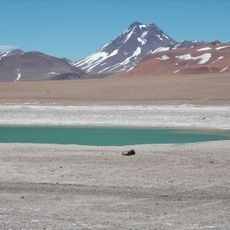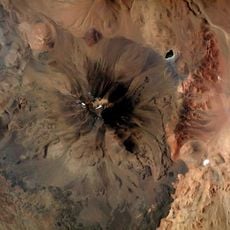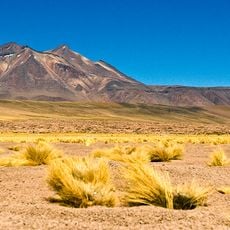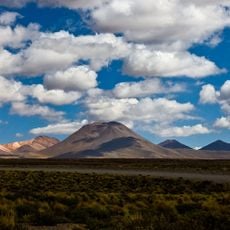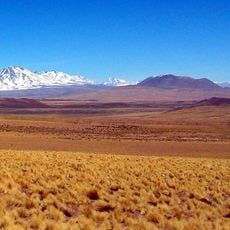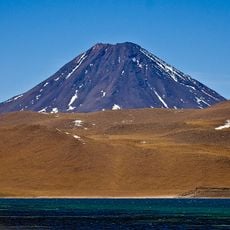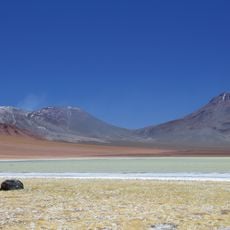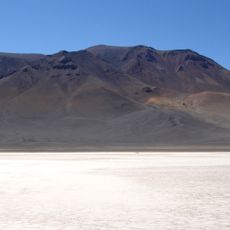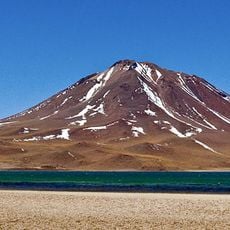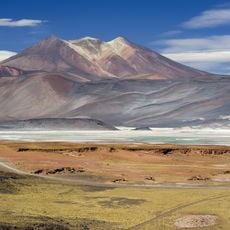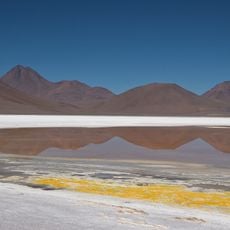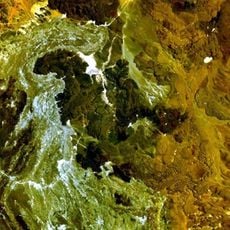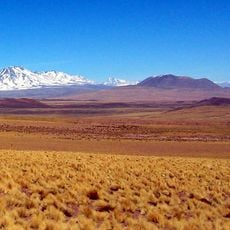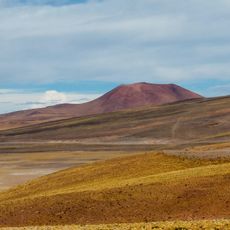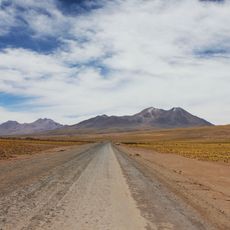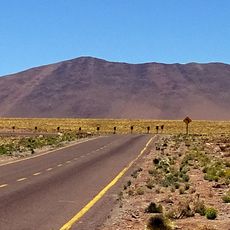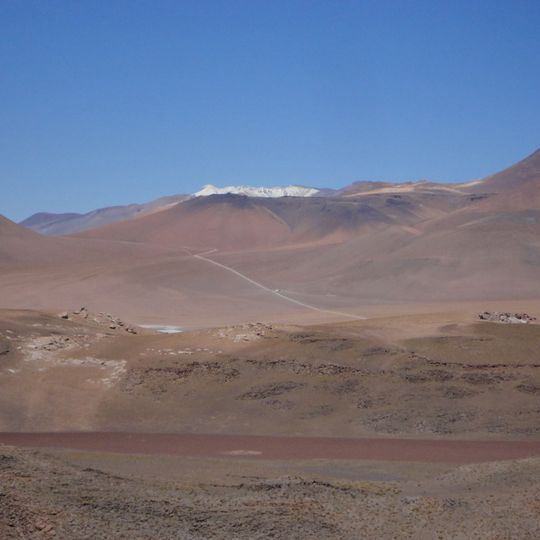
El Laco, Volcanic summit in Antofagasta Region, Chile.
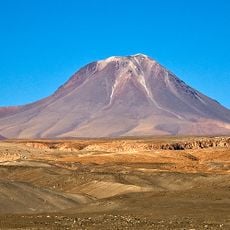
El Laco is a volcanic complex in the Antofagasta Region of Chile, made up of about seven minor stratovolcanoes and lava domes around a caldera 4–5 km wide. Its main summit, Pico Laco, is an andesitic lava dome rising 400 m above the surrounding terrain, with an eastern summit at 5,325 m and a western one at 5,166 m. The complex covers roughly 7 by 5 km at altitudes of 4,300–5,470 m.
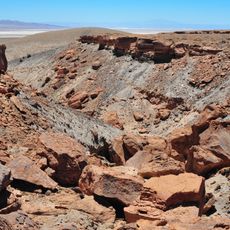
The mountain formation dates to the Pliocene era when volcanic activity deposited iron-rich materials across the landscape. These magnetite deposits were first documented in 1958 and later became subjects of scientific study.
Scientists and geologists from multiple countries conduct research at El Laco to study its magnetite deposits and mineral formations.
Reaching this location requires specialized high-altitude vehicles and proper mountain gear since the site sits above 4300 meters (14100 feet). Visitors need solid acclimatization and should come prepared for thin air, cold temperatures, and remote terrain.
El Laco's magnetite lavas are among the few known on Earth and were long read as proof that iron oxide can erupt as lava; the debate over whether they are native magnetite lavas or hydrothermal replacements of andesite is still open. Mining by Compañía Minera del Pacífico ran from 1988 to 1996 and stopped when iron prices fell and Altos Hornos Zapla in Argentina halted purchases.
The community of curious travelers
AroundUs brings together thousands of curated places, local tips, and hidden gems, enriched daily by 92,657 contributors worldwide.