Toconao, Andean village in San Pedro de Atacama, Chile
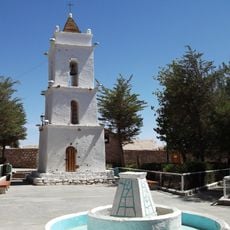
Toconao is a village at 2,475 m on a small oasis at the northeast edge of the Salar de Atacama, in Chile's Antofagasta Region. Its houses are built entirely of white liparita stone, a volcanic rock that keeps interiors temperate whatever the season. The church and its separate bell tower face the plaza; the tower dates from 1750.
Toconao was officially founded in 1557 by the Spanish encomendero Juan Velásquez Altamirano, who linked Potosí with the governorship of Chile; in 1560 he was named corregidor of Atacama, an office covering Toconao and San Pedro de Atacama. The village's church and bell tower of San Lucas date originally from the 18th century; the bell tower, separate from the main structure, dates from 1750. Both were rebuilt after earthquakes and fires and are now National Monuments.
Artisans here carve white liparita stone from a nearby quarry into sculptures and decorative pieces that reflect the community's heritage. This craft gives the village its distinctive character and connects locals to the land they work.
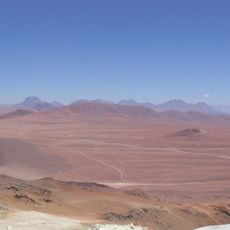
The village sits in an extremely dry climate with sharp temperature swings from hot days to cold nights, so bring both warm and cool clothing. Visitors should prepare for little shade and bring plenty of water, as the surrounding landscape offers few trees or shelter.
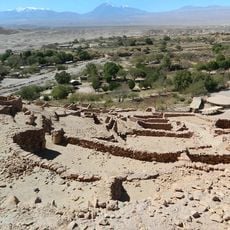
The Quebrada de Jere canyon nearby holds ancient rock carvings and a small green oasis with flowing water that feels strikingly out of place in the surrounding desert. This hidden water source creates a pocket of greenery where visitors can see how different the landscape becomes with moisture.
The community of curious travelers
AroundUs brings together thousands of curated places, local tips, and hidden gems, enriched daily by 93,302 contributors worldwide.