Cerro Toco, Stratovolcano in Antofagasta Region, Chile
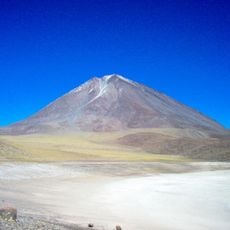
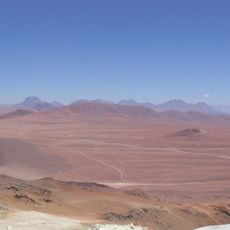
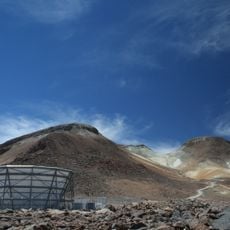
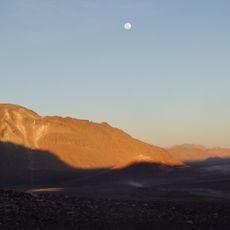
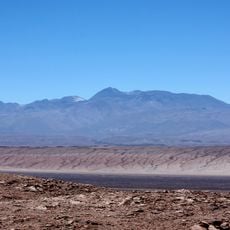
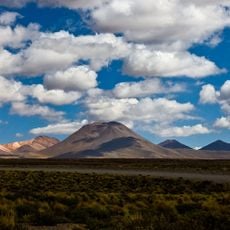
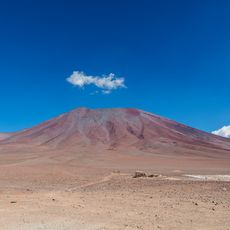
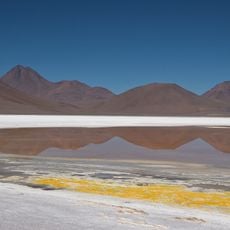
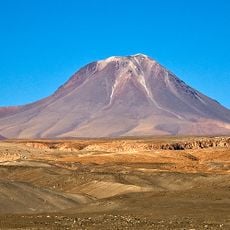
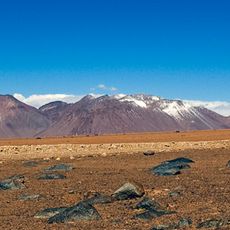
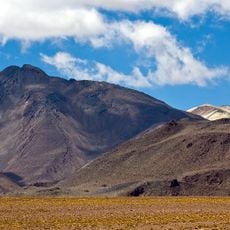
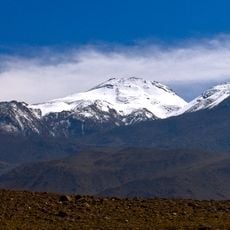
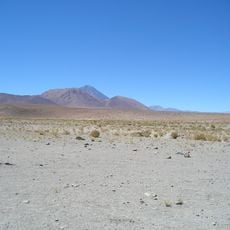
Cerro Toco is a stratovolcano in the Antofagasta Region that rises to about 5,600 meters with steep slopes made of volcanic rock and loose scree. The bare landscape shows clear volcanic origins with dark stone and mineral-rich soil visible from base to summit.
The volcano formed as part of the Purico Complex, a geological structure containing several stratovolcanoes and lava dome formations in this region. This volcanic group shaped the landscape over geological ages.
The name Toco comes from Kunza, the language of the Atacameño people, in which Toco or Tocko means "stone". Until about twenty years ago, sulphur was extracted at the mountain's base and used as an explosive at the Chuquicamata copper mine; traces of the old mine remain.
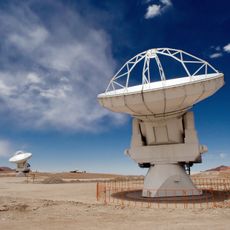
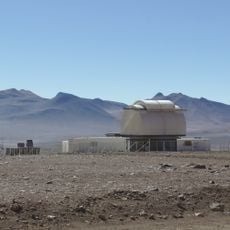
The summit trail starts from a dirt track off the road to the Chajnantor plain, about 60 km from San Pedro de Atacama and 160 km from Calama. The climb is short but the thin air at this altitude tires you quickly, so walk slowly and carry plenty of water.
Cerro Toco's name comes from the Kunza language of the Atacameño people, in which Toco or Tocko means "stone". Until about twenty years ago, sulphur was extracted at the mountain's base and used as an explosive at the Chuquicamata copper mine; traces of that old mine can still be seen.
The community of curious travelers
AroundUs brings together thousands of curated places, local tips, and hidden gems, enriched daily by 93,881 contributors worldwide.