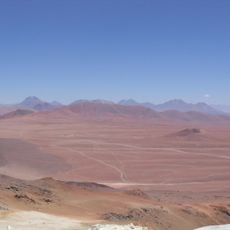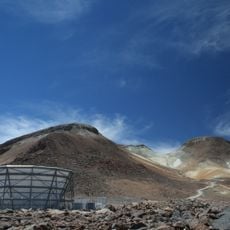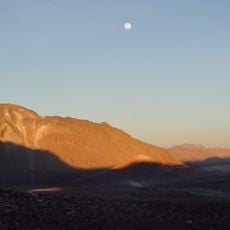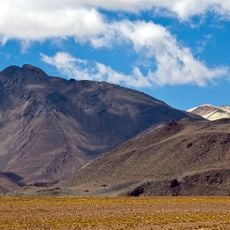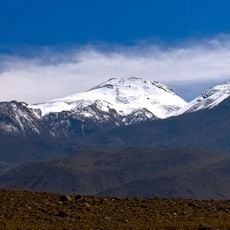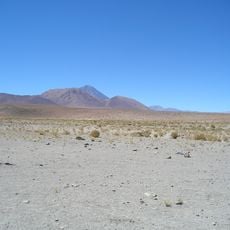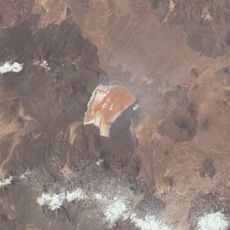
Sairecabur, Andean volcano in Atacama Desert, Chile
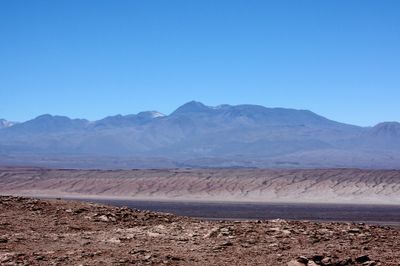
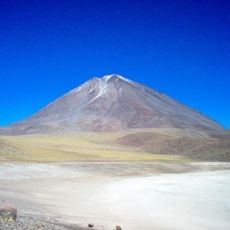
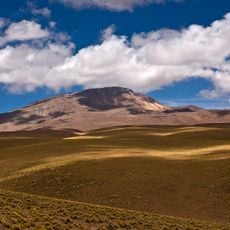
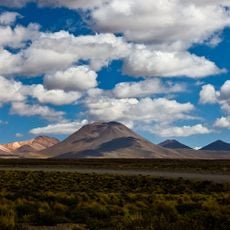
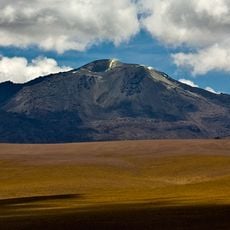
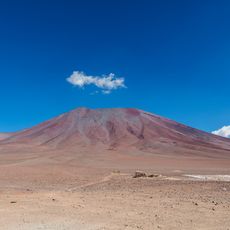
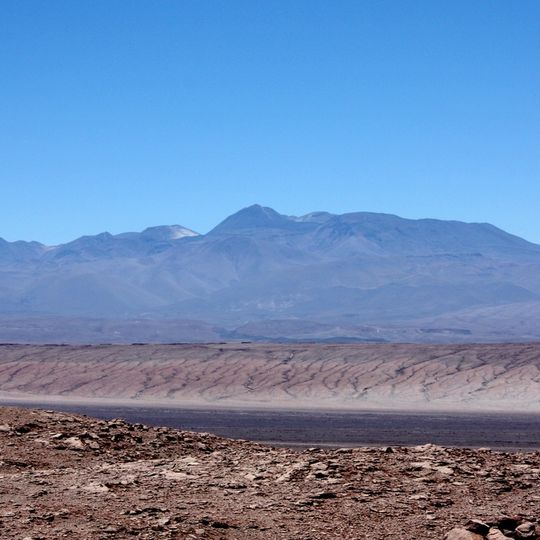
Sairecabur is a volcano on the border between Chile and Bolivia, rising to around 5,970 meters above sea level in the heart of the Atacama Desert. The mountain stands out with its prominent summit and a wide caldera marking the volcanic history of the region.
Archaeological discoveries show that Inca people used this mountain as a sacred place and built a shrine on its slopes. The long history of settlement in this high mountain region reveals how important this peak was to Andean cultures across many centuries.
The name comes from the Kunza language and means rain mountain, showing how indigenous peoples saw this peak as tied to water and survival in the desert. This connection remains visible in how local communities in San Pedro de Atacama relate to the landscape today.
Climbing this peak requires two to three nights of acclimatization in San Pedro de Atacama before you set out with an experienced mountain guide. The route is demanding and takes about eleven hours from start to finish, so good physical preparation is important.
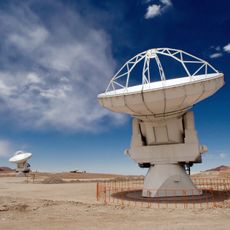
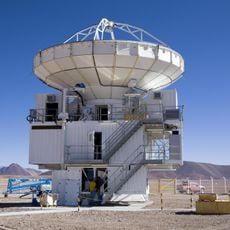
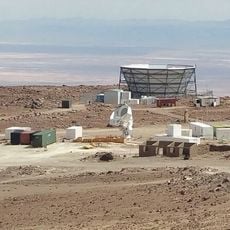
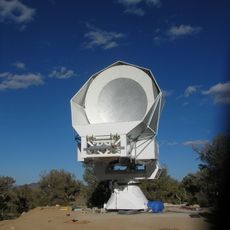
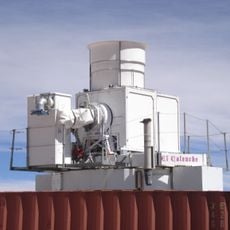
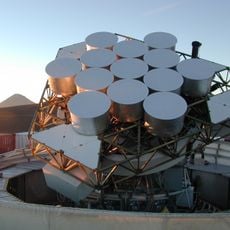
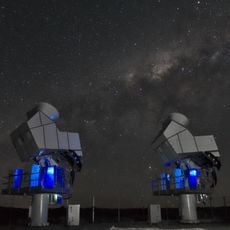
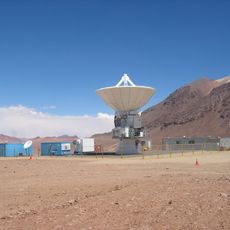
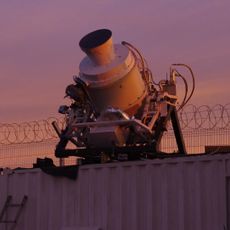
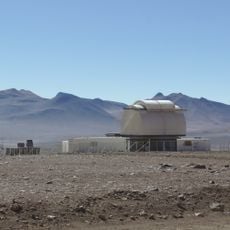
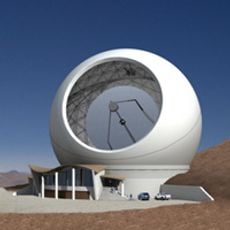
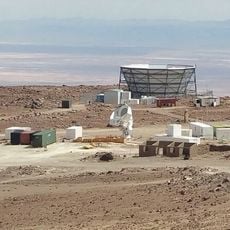
A major radio telescope sits high on the mountain and is one of the highest telescope installations in the world for astronomical observation. This scientific instrument operates in one of the driest and clearest spots on Earth.
The community of curious travelers
AroundUs brings together thousands of curated places, local tips, and hidden gems, enriched daily by 92,170 contributors worldwide.