Tocorpuri, Stratovolcano in Antofagasta Region, Chile
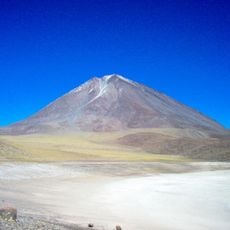
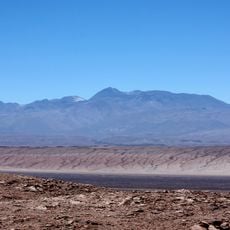
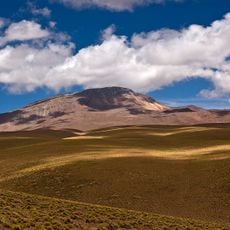
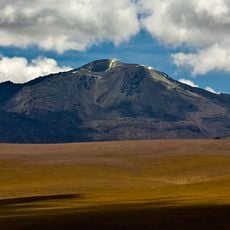
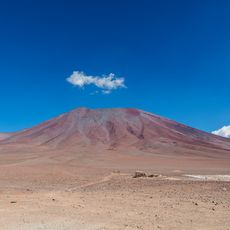
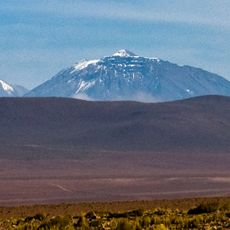
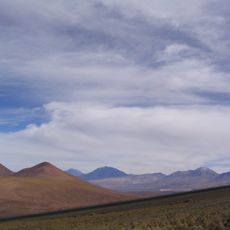
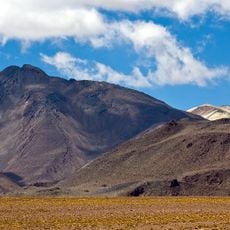
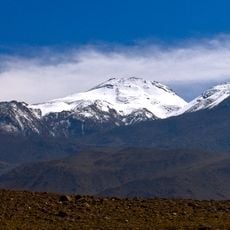
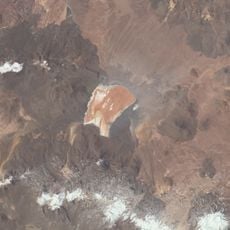
Tocorpuri is a volcanic complex on the Chile-Bolivia border, about 100 km east of Calama, made up of three edifices. East Tocorpuri reaches 5,808 m and is capped by an elongated summit crater 1.3 km wide; West Tocorpuri consists mainly of blocky lava flows. A horseshoe-shaped scar on the southeast flank marks a sector collapse, and sulfur deposits in the summit area were mined in the past.
Tocorpuri developed in three separate stages during the late Pleistocene, and was later shaped by glaciation and tectonic faulting. Its most recent eruption produced the La Torta lava dome 34,000 ± 7,000 years ago. A glacier once filled the summit crater, and moraines near La Torta record the Last Glacial Maximum; western glaciers had disappeared by about 30,700 years ago.
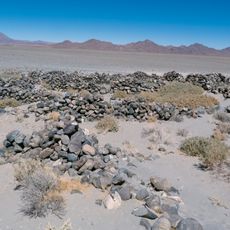
The name Tocorpuri comes from the Kunza language; the complex is also known as Michina. A pre-Hispanic road linking the Bolivian Altiplano with the San Pedro de Atacama region passes south of the volcano and is considered the oldest road system in Chile, in use since the Formative Period. Sulfur deposits in the summit region were mined in the past.
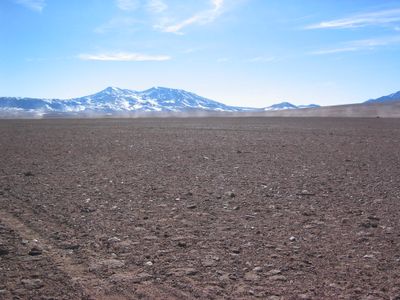
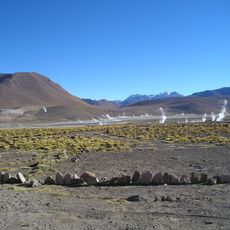
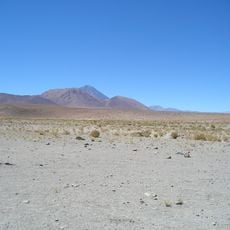
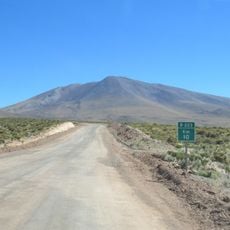
The volcano sits about 100 kilometers east of Calama, accessible by driving through remote desert roads in the Antofagasta Region. Visitors should prepare for harsh conditions and consult local guides, as it sits in a high mountain area with extreme terrain.
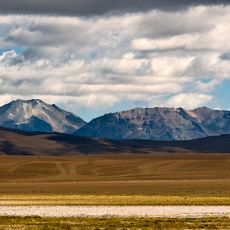
La Torta, the "cake" in Spanish, is a flat-topped rhyolitic lava dome about 200 m high and 11 km² in area, reaching 5,018 m, with flow folds and wrinkles on its top and scree on its flanks. It sits between Tocorpuri and Tatio volcano, 10 km from Tocorpuri; the pair may result from tectonics.
The community of curious travelers
AroundUs brings together thousands of curated places, local tips, and hidden gems, enriched daily by 92,726 contributors worldwide.