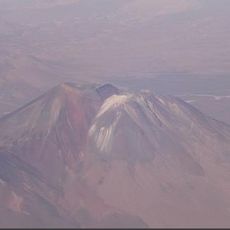
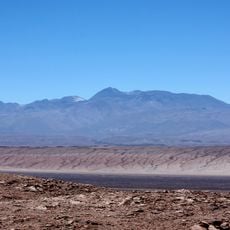
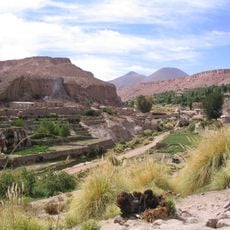
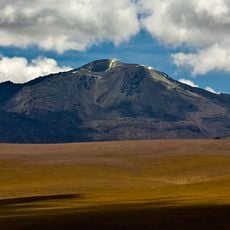
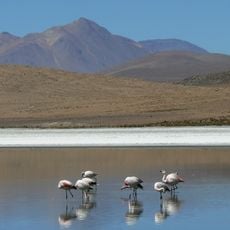
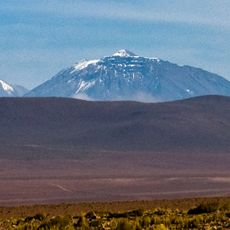
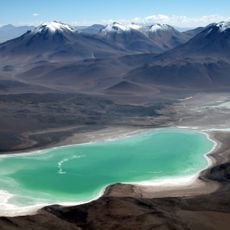
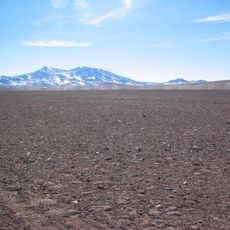
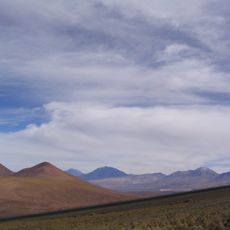
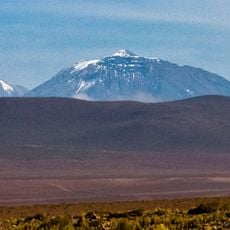
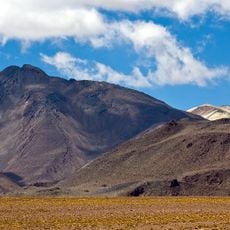
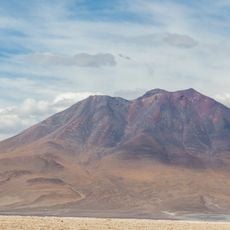
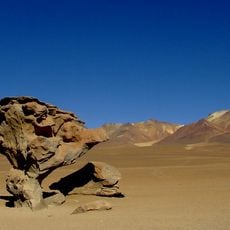
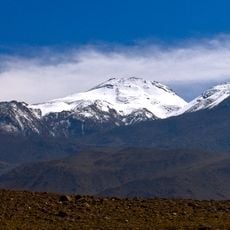
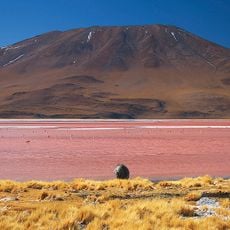
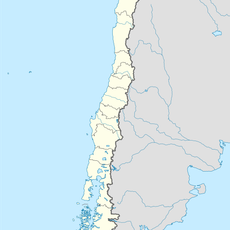
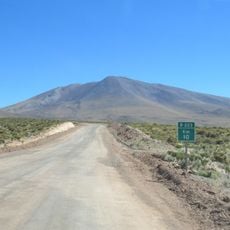
Linzor, Stratovolcano in Antofagasta Region, Chile.
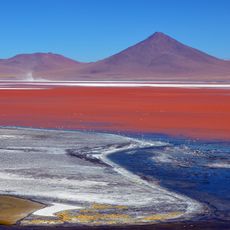
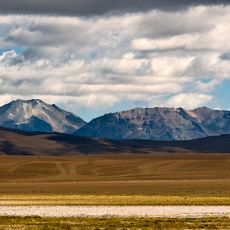
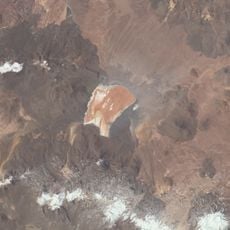
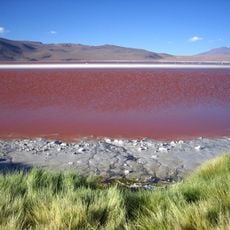
Linzor is a stratovolcano on the Bolivia–Chile border reaching 5,680 m, built from breccia, lava domes, lava flows and pyroclastic flows of basaltic andesite, andesite and dacite, with pyroxene andesite dominant. It stands northwest of Laguna Colorada in Bolivia's Eduardo Abaroa reserve and east of Cerro del León in Chile, in a north–south chain with San Pedro volcano.
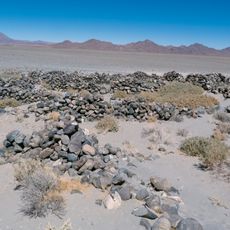
Linzor is a Pleistocene-Holocene stratovolcano built on Miocene ignimbrites, part of the Central Volcanic Zone of the Andes. Nearby volcanism includes the 8.3-million-year-old Sifon ignimbrite, Cerro Chillahuita and Cerro Chao. An Inca sanctuary has been found on the mountain.
The mountain served as a sacred site for Inca peoples who left offerings and conducted ceremonies on its slopes. Traces of these ritual practices from pre-Columbian times remain visible today.
The remote location requires specialized guidance and personal preparation such as acclimatization to the altitude and sturdy equipment. Access is only feasible during the drier months when the routes are passable.
The Rio Toconce rises at the foot of Linzor, not on its slopes; it is a tributary of the Rio Salado and ultimately of the Loa River. Near the mountain lies the 8.3-million-year-old Sifon ignimbrite, alongside Cerro Chillahuita and Cerro Chao.
The community of curious travelers
AroundUs brings together thousands of curated places, local tips, and hidden gems, enriched daily by 94,395 contributors worldwide.