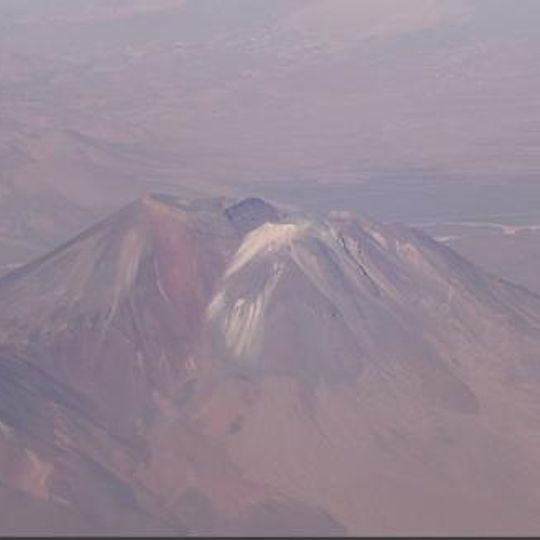
San Pedro, Stratovolcano in El Loa Province, Chile
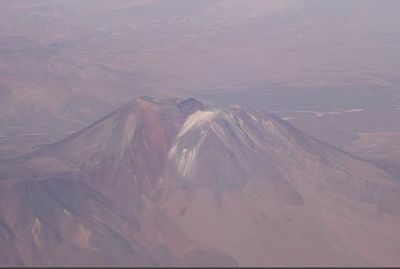
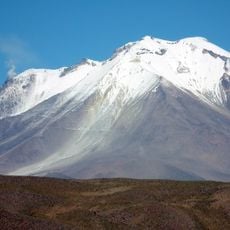
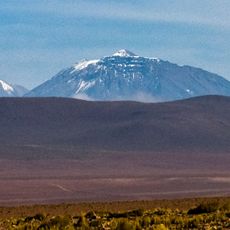
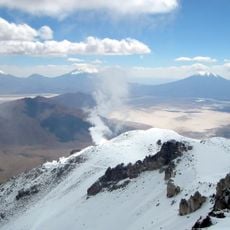
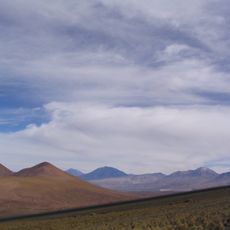
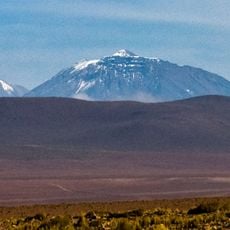
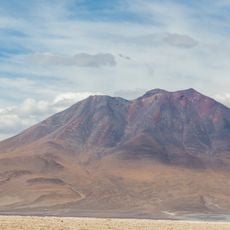
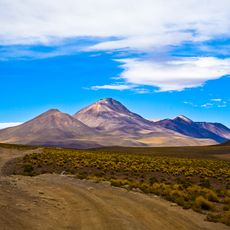
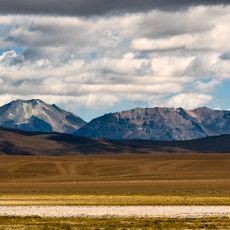
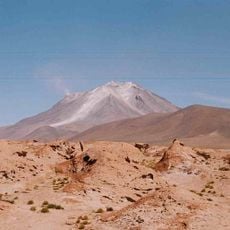
San Pedro is a stratovolcano in Chile's El Loa Province, located in the high Andes and made up of two cones that formed at different times. The two structures sit one over the other, giving the mountain a double-peaked outline that stands out clearly across the surrounding plateau.
The older of the two cones collapsed during an early stage of the mountain's development, sending debris across the western plain below. A younger cone then grew on top, building up the shape seen today through several separate eruptions.
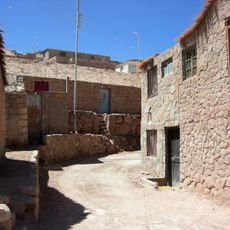
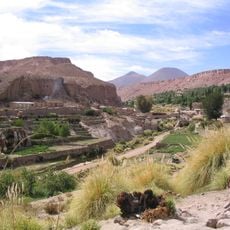
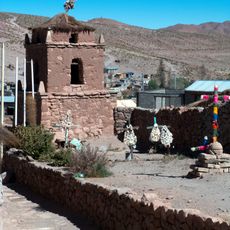
The mountain is seen as a sacred presence by the communities in the surrounding valleys, and it appears in local stories tied to the land. Travelers passing through nearby villages can sense how deeply this peak is woven into everyday life.
Old trails left by former sulfur miners point toward the summit and can help climbers find their way up the mountain. The road that passes along the northern and western sides does not go to the top, so coming prepared with a clear route plan is important.
The younger cone produced different types of lava during separate eruptions, including andesite and dacite, which stacked in visible layers. This pattern of alternating materials makes the internal structure of the volcano of particular interest to geologists.
The community of curious travelers
AroundUs brings together thousands of curated places, local tips, and hidden gems, enriched daily by 91,796 contributors worldwide.