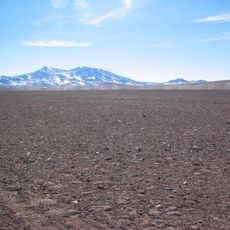
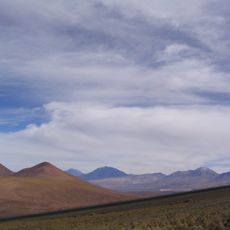
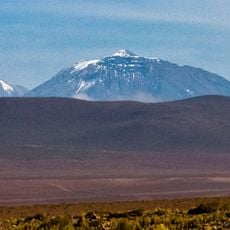
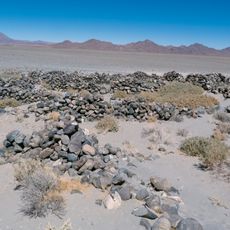
Pucará de Lasana, Archaeological fortress in Calama, Chile.
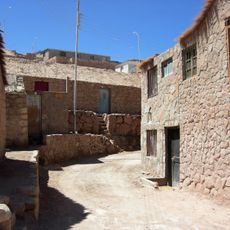
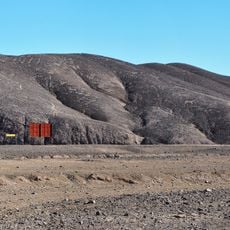
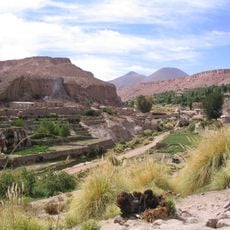
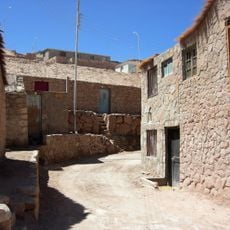
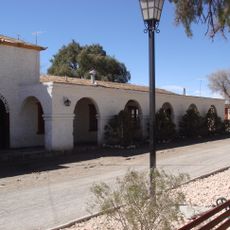
Pucará de Lasana is an archaeological site with stone buildings spread along a cliff face, containing about 110 structures connected by narrow passages. The settlement overlooks the Loa River valley and uses the natural terrain as a defensive advantage.
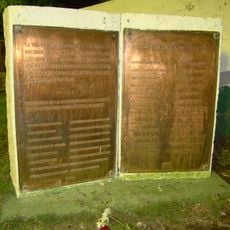
The Atacameño people built the fortress in the 12th century; it is about 900 years old. In the 15th century they were conquered by the Incas, who added new elements to their culture. The site was declared a National Monument in the Historic Monument category in 1982.
The buildings show specialized storage rooms that reflect the daily life of pre-Columbian people and demonstrate their advanced methods of food preservation. These spaces were important for survival in the dry Atacama region, where storing food was critical.
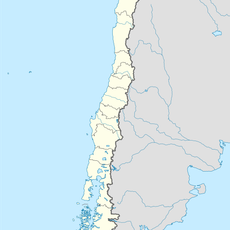
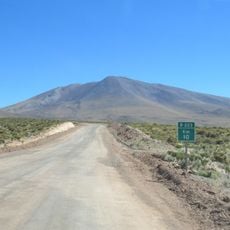
Pucará de Lasana lies 10 km north of San Francisco de Chiu Chiu, on the upper Río Loa in the Calama commune, reached by a road off the main route. Paths inside the enclosure run in serpentine curves, built to slow intruders, so allow time to walk them. Bring water and sun protection; the site is exposed and shade is scarce.
The site was built to shelter around 500 people, with houses and food silos inside a single walled enclosure. Roofs rested on cactus, algarrobo or chañar wood and were covered with mud, and the internal paths wind in serpentine curves to slow down attackers.
The community of curious travelers
AroundUs brings together thousands of curated places, local tips, and hidden gems, enriched daily by 92,883 contributors worldwide.