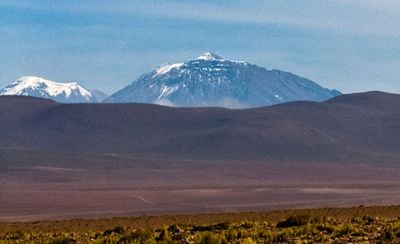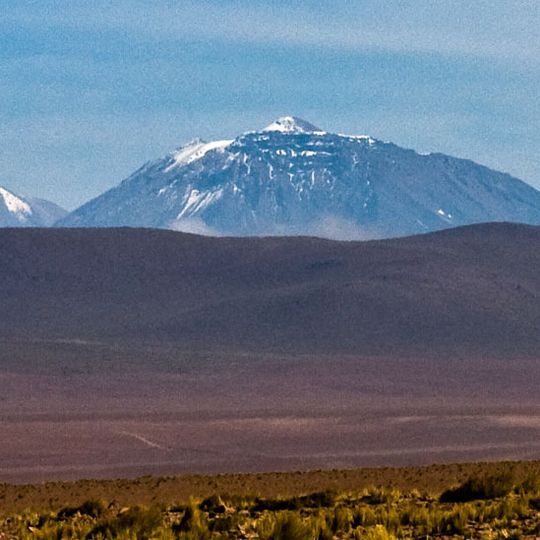
San Pablo, Stratovolcano in Antofagasta Region, Chile
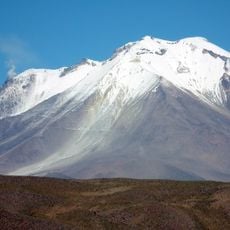
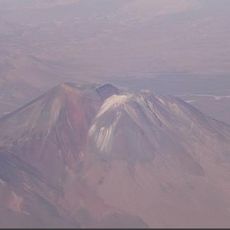
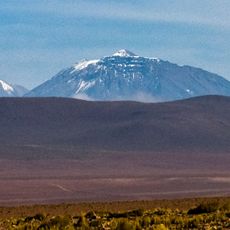
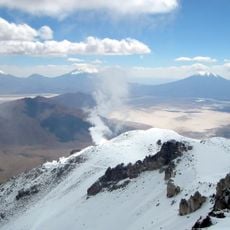
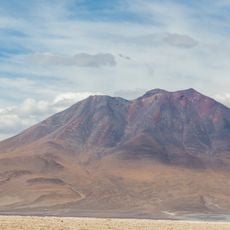
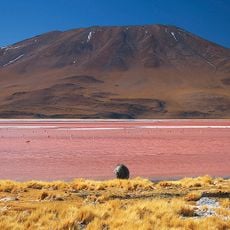
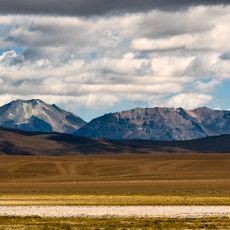
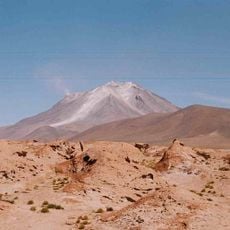
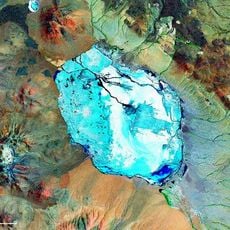
San Pablo is a stratovolcano in the Andes that rises to 6092 meters and forms a twin volcano system with San Pedro through a high connecting ridge. The peak displays signs of erosion with an active glacier occupying its central crater and fumarolic activity beneath the surface.
German mountaineer Hans Berger completed the first recorded ascent in September 1910, establishing the initial climbing route up the volcano. This early expedition marked the beginning of modern exploration of the peak by western alpinists.
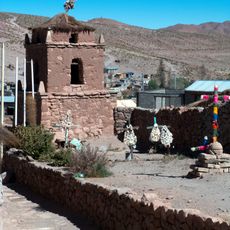
The mountain holds deep meaning for local Andean communities who regard volcanic formations as central to their traditional belief systems. This reverence is expressed through local practices and ceremonies that continue to shape how people relate to the landscape.
Climbers need specialized high-altitude equipment and proper acclimatization to reach the summit due to extreme elevation and harsh weather. Plan your visit during the drier months when conditions are more stable and allow time for your body to adjust to the altitude.
The central crater contains an active glacier, a rare feature that reflects the collision of volcanic heat and extreme altitude in this region. This coexistence of ice and geothermal activity makes the mountain a striking example of contrasting natural forces.
The community of curious travelers
AroundUs brings together thousands of curated places, local tips, and hidden gems, enriched daily by 91,276 contributors worldwide.