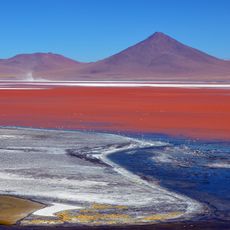
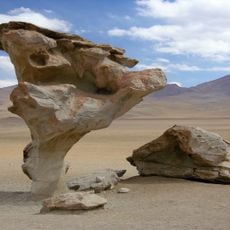
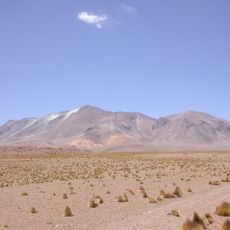
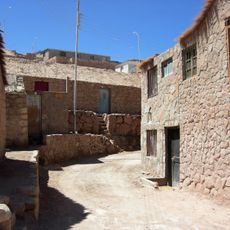
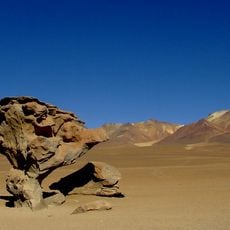
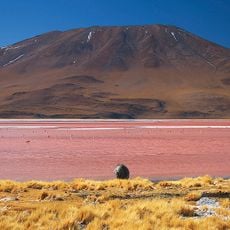
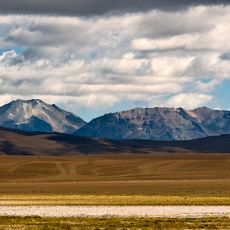
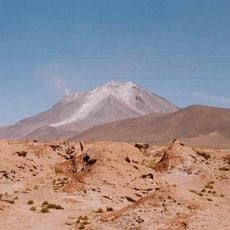
Cerro del Azufre, Stratovolcano in El Loa Province, Chile.
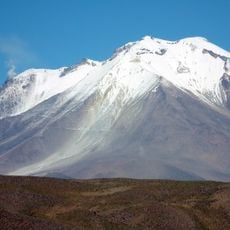
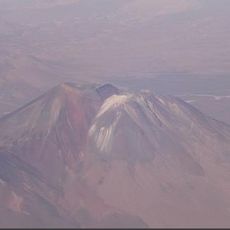
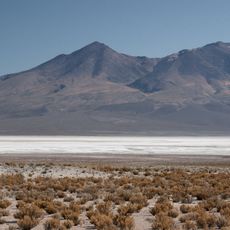
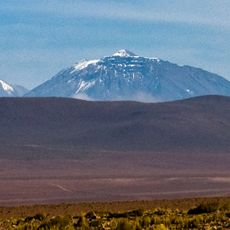
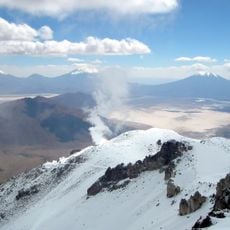
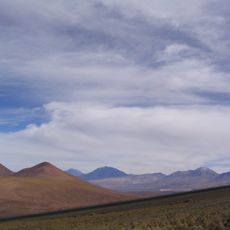
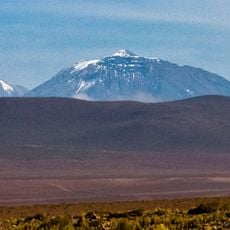
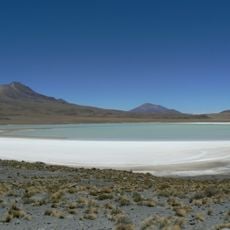
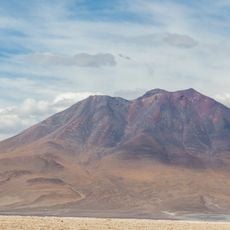
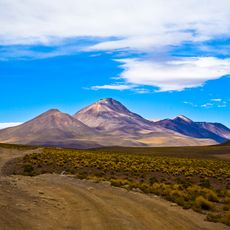
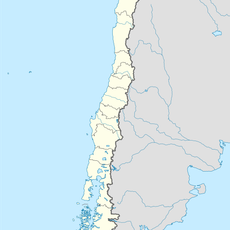
Cerro del Azufre is a 5,846-metre stratovolcano in El Loa Province, Antofagasta Region, Chile, built from two overlapping edifices about 2 km apart. The northern edifice has two vents and a sector-collapse scar; the southern has three vents, moraines and eroded gorges. The dacitic Chanka or Pabellón lava dome flanks it to the west, and hydrothermally altered ground between the edifices holds three former sulfur mining areas.
The volcano formed through four distinct eruptive stages over roughly 1.1 million years, with the most recent volcanic activity occurring between 120,000 and 300,000 years ago. This extended timeline shows how the mountain was constructed in multiple phases before eventually becoming dormant.
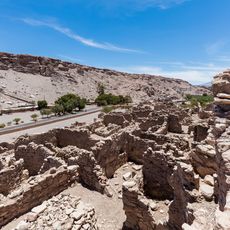
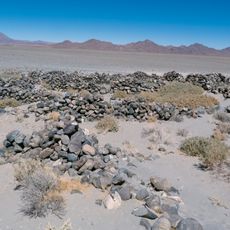
The mountain attracts hikers and geologists who observe its volcanic appearance and traces of past mining work. Local communities recognize the site through its name, referring to sulfur deposits that were extracted for decades.
Getting there requires a four-wheel-drive vehicle to handle unpaved roads and mountain passes. Visitors should prepare for extreme weather and high altitude by bringing protective clothing and plenty of water.
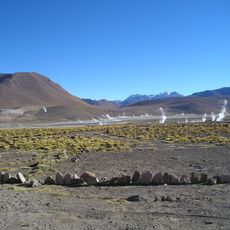
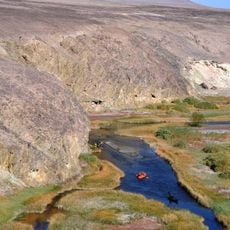
Hot springs with temperatures around 42 degrees Celsius emerge at the northern base of the mountain. These warm waters hint at an active underground geothermal system still working beneath the surface.
The community of curious travelers
AroundUs brings together thousands of curated places, local tips, and hidden gems, enriched daily by 92,936 contributors worldwide.