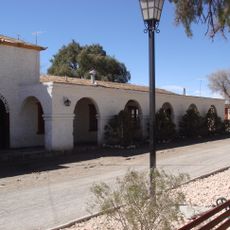
Pucará de Turi, Pre-Columbian fortress archaeological site in Calama, Chile
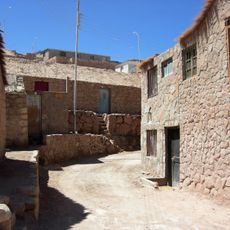
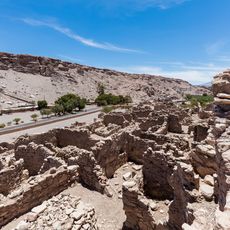
Pucará de Turi is a pre-Hispanic stone complex of about 620 enclosed areas of different sizes and shapes, covering roughly 4 ha at around 3,100 m in the Turi area. Its rectangular houses measure about 4 by 5 m and had flat mud-covered roofs, with silos alongside. The largest structure is a 26 m long Inca kallanka with a gable roof.
Built around 1250, the stone complex is the largest architectural work of the Atacama culture. In the early 15th century the Inca Topa Inca Yupanqui conquered the Atacama territory, and around 1470 the site was altered with Inca structures, among them a kallanka 26 m long covered by a gable roof. It was declared a National Monument of Chile in 1983.
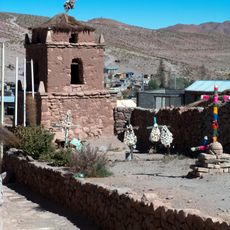
The site shows a mix of Atacameño and Inca building styles visible in its rectangular houses, ceremonial areas, and circular stone towers. These different architectural traditions overlap at the location, revealing how various cultures lived and built here over time.
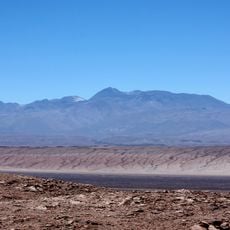
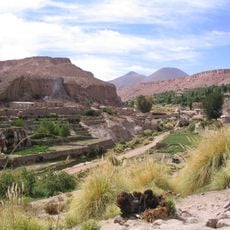
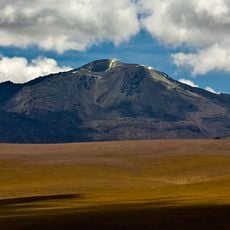
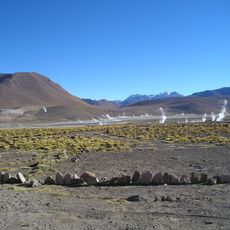
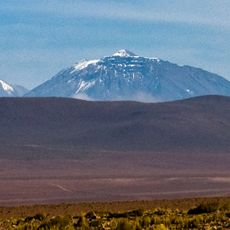
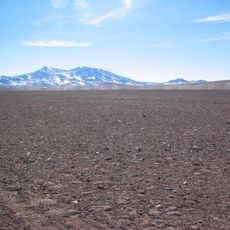
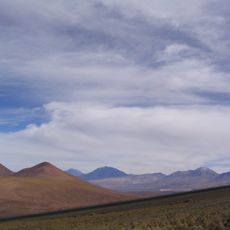
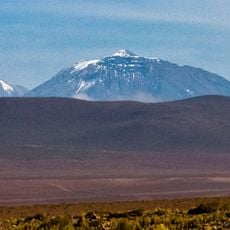
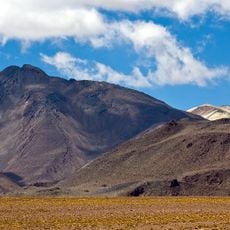
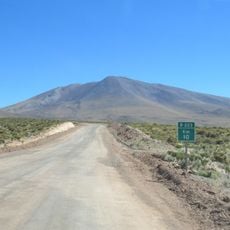
The location sits in mountainous terrain with little vegetation and can be explored during daytime visits. It helps to bring plenty of water and sun protection since the high elevation and open terrain mean intense light and dry conditions.
The Inca addition to the site was a kallanka, a 26-metre-long hall covered by a gable roof, built around 1470 when Topa Inca Yupanqui's conquest brought the Atacama territory under Inca rule. The rest of the complex is Atacameño stonework: about 620 enclosures, among them rectangular houses of roughly 4 by 5 metres with flat clay-covered roofs and adjoining silos.
The community of curious travelers
AroundUs brings together thousands of curated places, local tips, and hidden gems, enriched daily by 93,575 contributors worldwide.