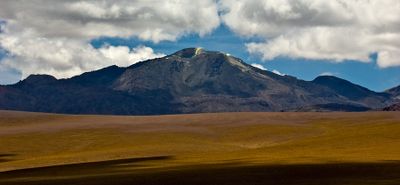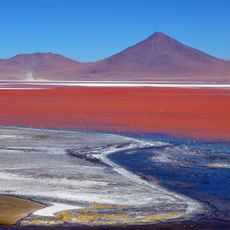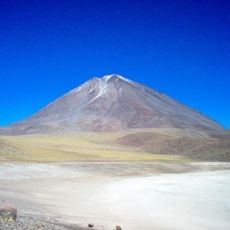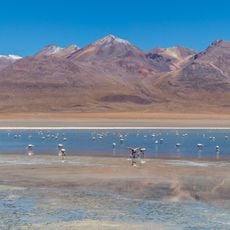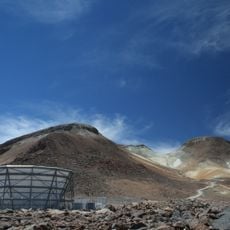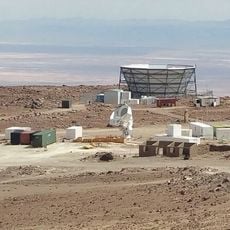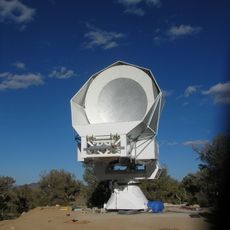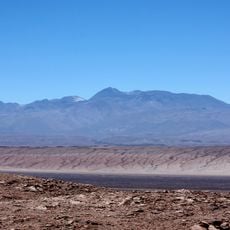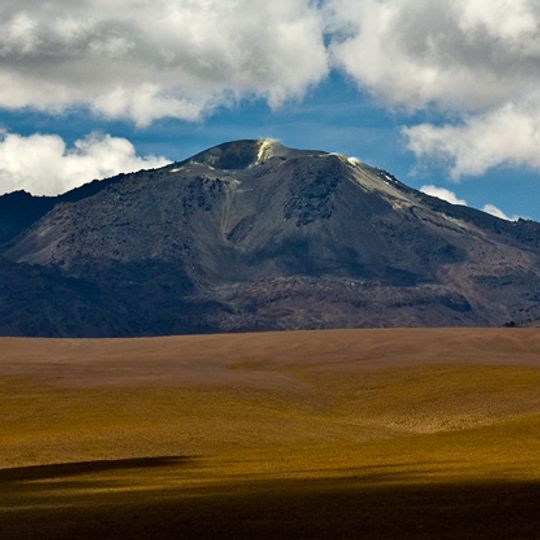
Putana, Stratovolcano in Sur Lípez Province, Bolivia and El Loa Province, Chile
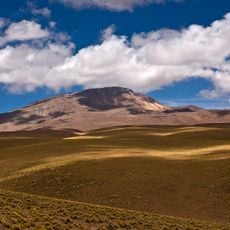
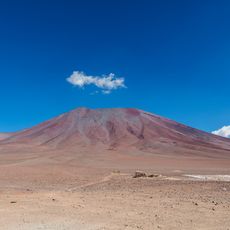
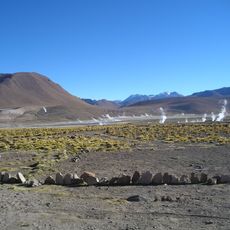
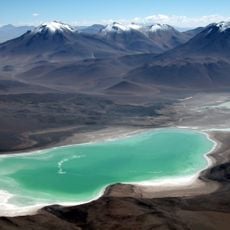
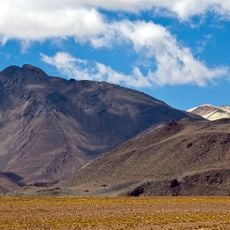
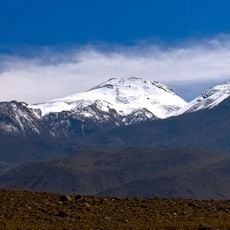
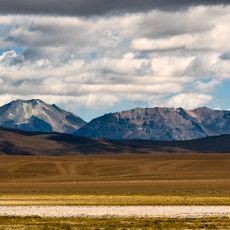
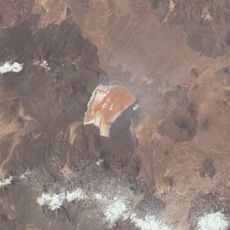
Putana is a stratovolcano straddling the border between Bolivia and Chile that rises to 5,890 meters (19,324 feet). The summit features a main crater alongside two smaller nested craters from which gas plumes continuously escape.
The volcano experienced major eruption activity around 1810, with the landscape later shifting measurably between 2009 and 2010. These changes reveal the mountain's ongoing internal dynamics.
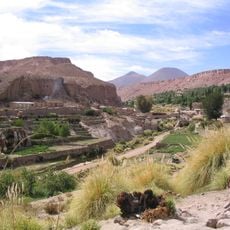
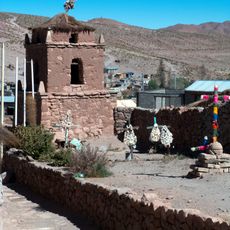
Indigenous communities near the volcano maintain traditions connecting their heritage to the mountain through ceremonies and traditional stories passed through generations.
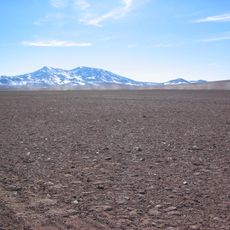
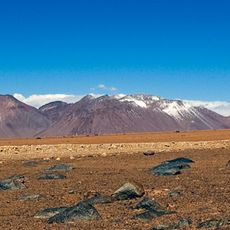
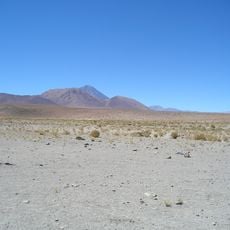
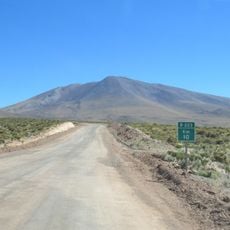
The site is best approached by four-wheel-drive vehicle from San Pedro de Atacama, with the May to October dry season offering the most favorable conditions. The journey is demanding and requires proper preparation for high altitude and remote terrain.
The summit area produces active fumarole fields releasing hydrogen sulfide and sulfur dioxide gases that historically accumulated into valuable mineral deposits. Mining operations once exploited these gas-enriched zones but ceased decades ago.
The community of curious travelers
AroundUs brings together thousands of curated places, local tips, and hidden gems, enriched daily by 91,379 contributors worldwide.