Simons Observatory, Radio telescope and cosmic microwave background experiment in Atacama Desert, Chile
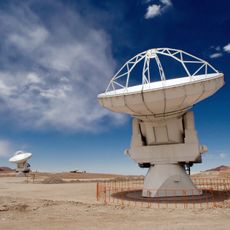
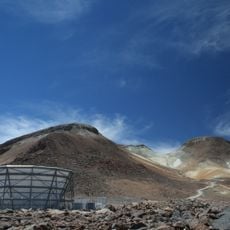
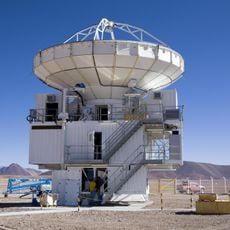
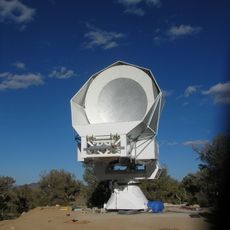
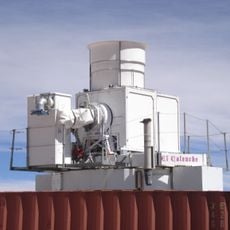
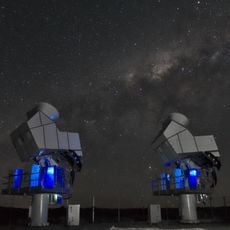
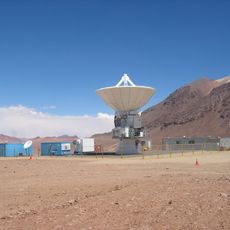
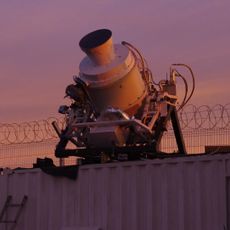
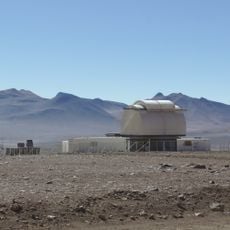
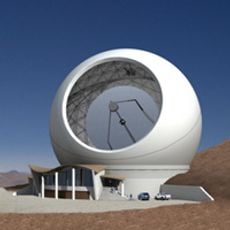
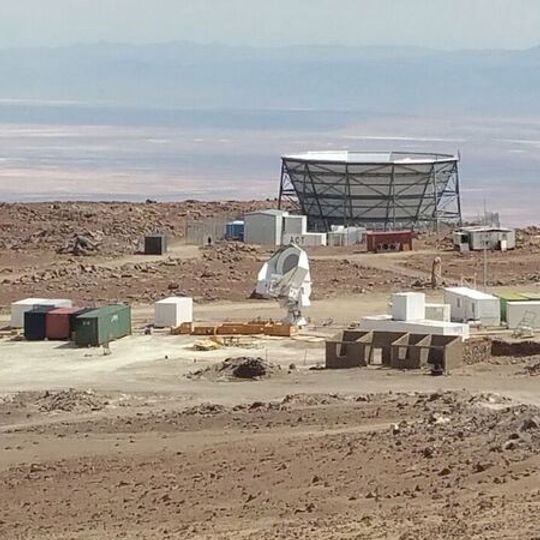
The Simons Observatory is a radio telescope facility in the Atacama Desert of northern Chile, made up of one large telescope and three smaller ones positioned at around 17,000 ft (5,200 m) above sea level. The telescopes are pointed at the sky to detect cosmic microwave background radiation, a faint radio signal that comes from the early universe.
The Simons Observatory was planned in the 2010s and began operations in the early 2020s, following a series of earlier experiments studying the cosmic microwave background in the same region. It was built on the experience gained from those earlier projects, which had already established the Atacama Desert as a key site for this type of research.
The observatory takes its name from the Simons Foundation, which provided much of the early funding for the project. Researchers from dozens of institutions around the world share the data collected here, making it one of the most collaborative projects in modern astronomy.
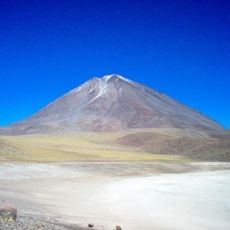
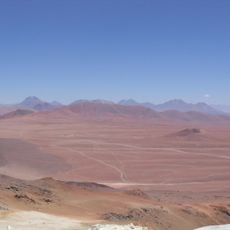
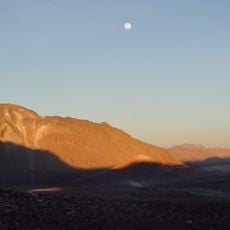
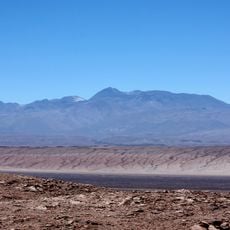
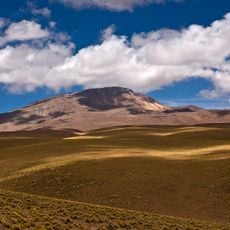
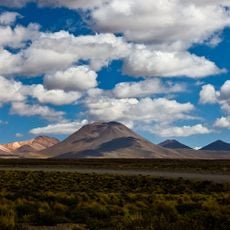
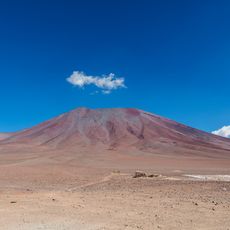
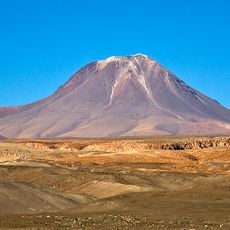
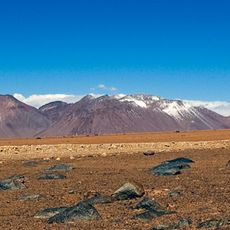
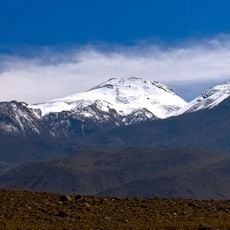
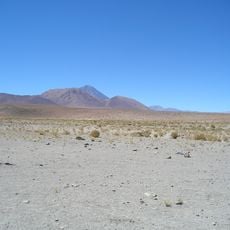
The site sits at very high altitude in one of the driest places on Earth, so a visit requires prior authorization from the managing institutions. Those traveling in the area should be prepared for thin air, intense sun, and temperatures that drop sharply after sunset.
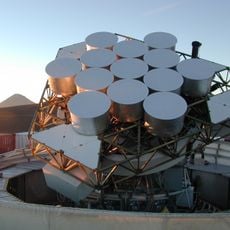
The smaller telescopes at the site use a design that allows each one to observe a wide patch of sky at the same time, rather than focusing on a single point. This means the facility can map large areas of the cosmic background far faster than a conventional single-dish telescope would allow.
The community of curious travelers
AroundUs brings together thousands of curated places, local tips, and hidden gems, enriched daily by 91,336 contributors worldwide.