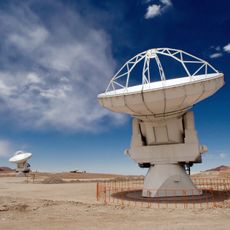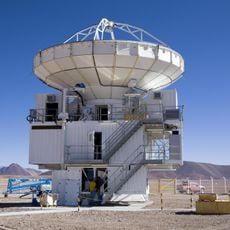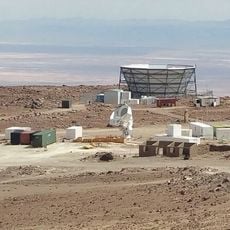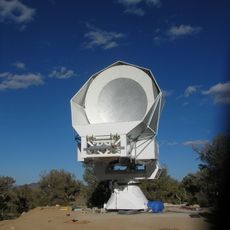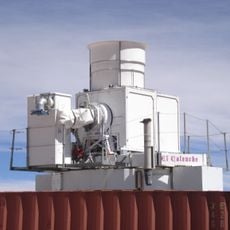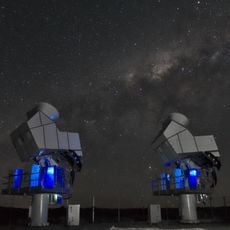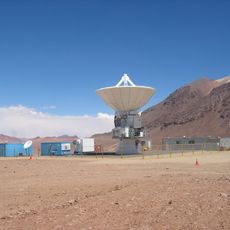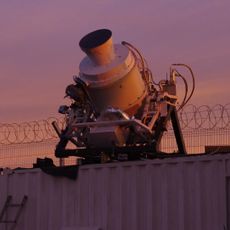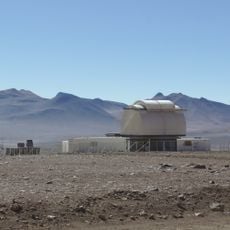
Cosmic Background Imager, Radio interferometer at Llano de Chajnantor Observatory, Chile
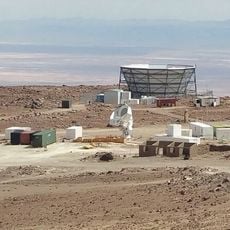
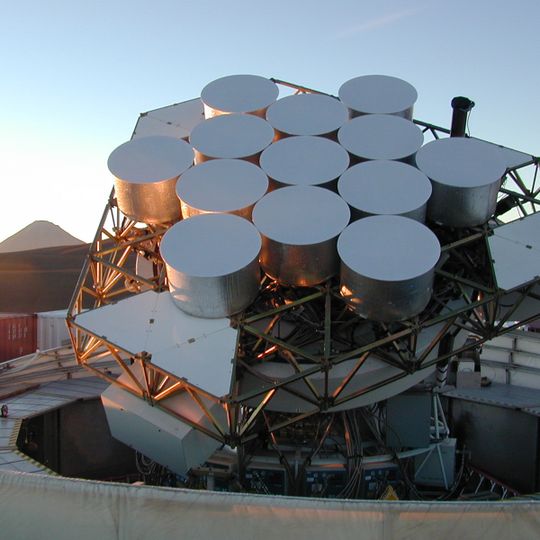
The Cosmic Background Imager is a radio interferometer located in the Chilean Andes, made up of 13 dish antennas set at an elevation of 5,080 meters (16,665 feet). The antennas worked together as a single instrument, detecting faint signals from space across frequencies between 26 and 36 gigahertz.
The instrument began operating in 1999 and collected data for nine years before shutting down in 2008. Over that period, it produced measurements that helped refine the understanding of the structure of the early universe.
The name of this instrument refers directly to the cosmic microwave background, the faint glow left over from the early universe. Scientists from several countries shared the data it collected, making it a point of reference in radio astronomy research worldwide.
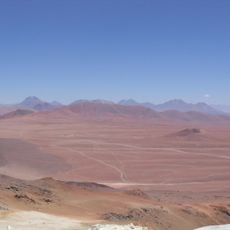
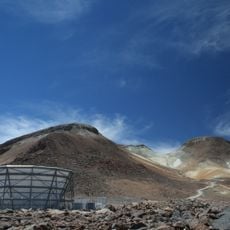
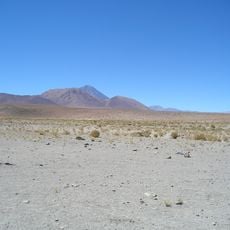
The site sits at very high elevation, which makes the journey physically demanding and requires good preparation before arriving. The thin air on the plateau is what made it suitable for capturing radio signals, but it also puts real strain on the body.
This instrument was the first to map in detail a specific type of polarized radiation left over from the early universe. The radio amplifiers used in its receivers were developed with technology that was, at the time, at the frontier of what was possible for that frequency range.
The community of curious travelers
AroundUs brings together thousands of curated places, local tips, and hidden gems, enriched daily by 91,330 contributors worldwide.