Purico Complex, Summit in northern Chile
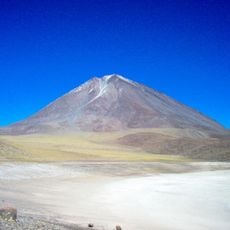
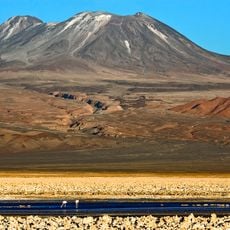
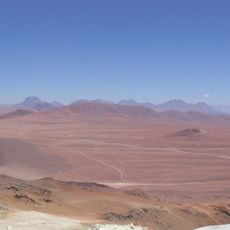
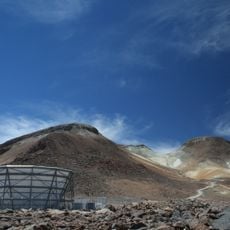
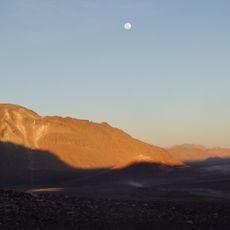
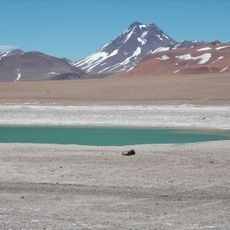
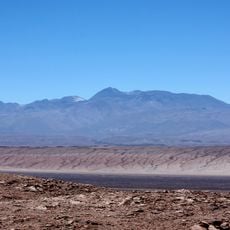
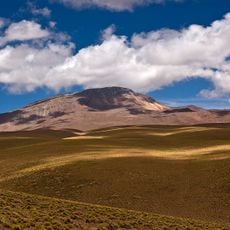
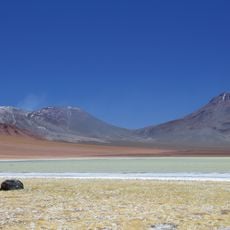
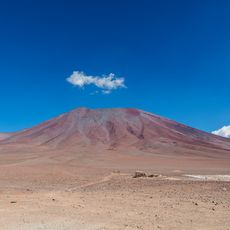
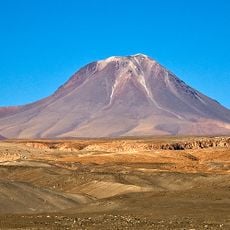
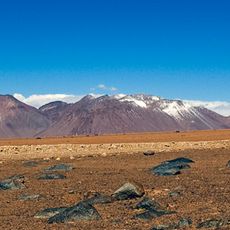
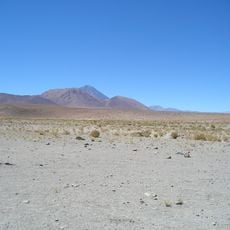
The Purico Complex is a Pleistocene volcanic complex in northern Chile near the Bolivian border, east of San Pedro de Atacama. It consists of the Purico ignimbrite, which covers 1,500 square kilometres and is 250 metres thick, forming a circular shield 15–25 kilometres wide. On this shield stand lava domes and stratovolcanoes such as Cerro Negro, Cerro Purico (Cerro Toco), El Cerillo, Cerro El Chascon, Cerro Aspero and Cerro Putas, reaching over 5,800 metres; the Alitar maar lies to the south.
Volcanic activity in this area began roughly 1.3 million years ago and continues to shape the landscape today. The youngest structures formed less than 10,000 years ago, showing that volcanic processes remain ongoing.
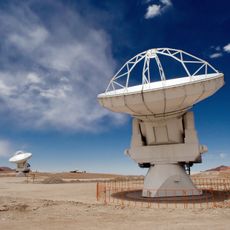
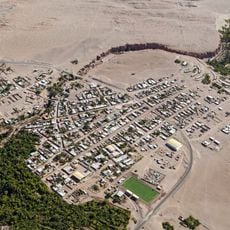
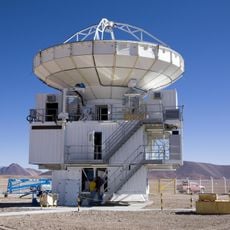
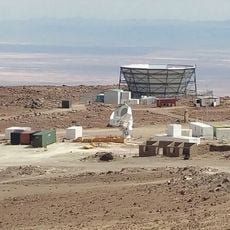
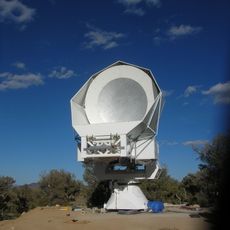
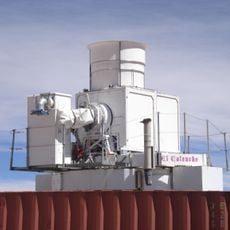
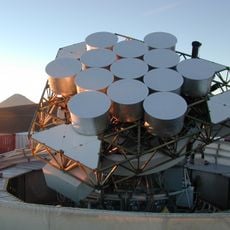
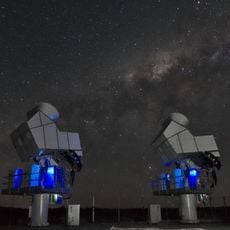
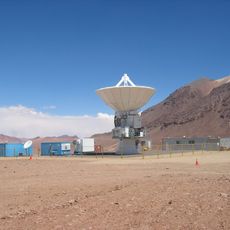
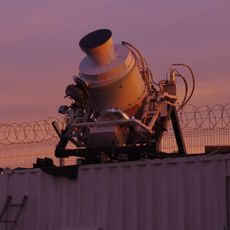
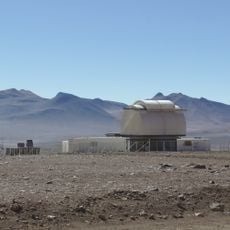
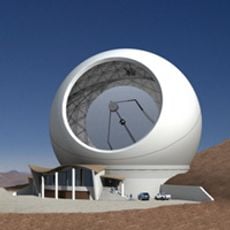
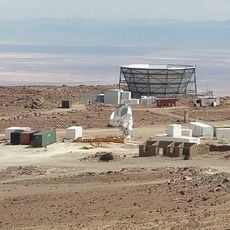
The name Purico may come from the Atacameno word puri, possibly meaning "water". In historical times sulfur was mined on the volcano. Today the Llano de Chajnantor Observatory stands on the ignimbrite shield, and the complex can be seen from San Pedro de Atacama.
The location sits at high elevation in a region with very harsh weather conditions, so good preparation for cold and low humidity is necessary. Visitors should keep in mind that the remote setting and rough climate require special equipment and planning.
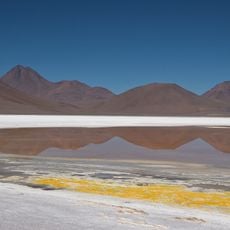
The fumarolically active Alitar maar, 500 m wide and 50 m deep, lies south of the main complex, not on its southeastern edge. The complex also forms the drainage divide between the Salar de Atacama and the Salar de Pujsa.
The community of curious travelers
AroundUs brings together thousands of curated places, local tips, and hidden gems, enriched daily by 92,813 contributors worldwide.