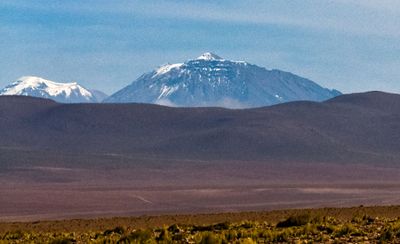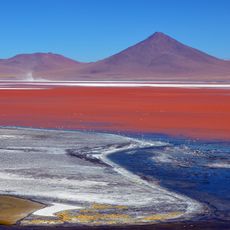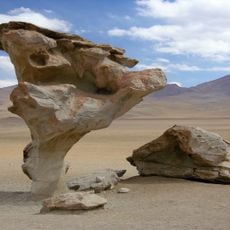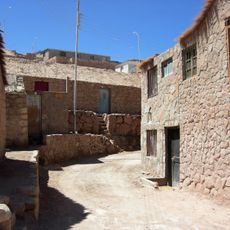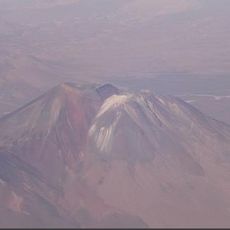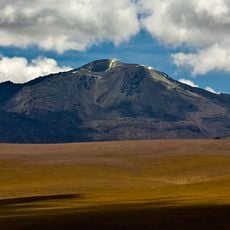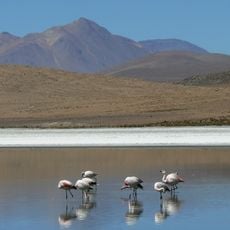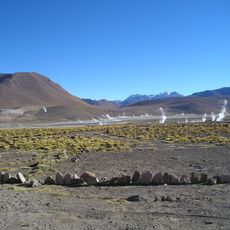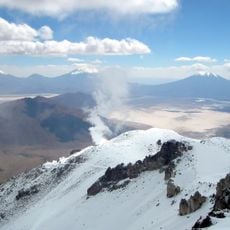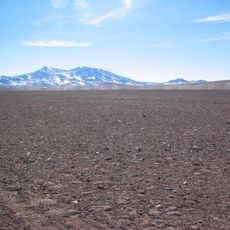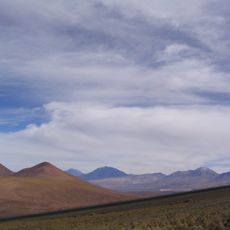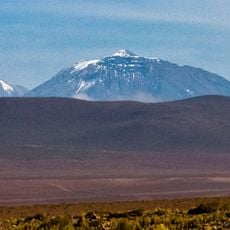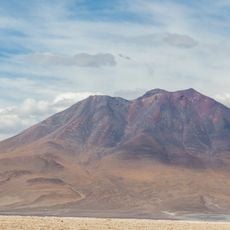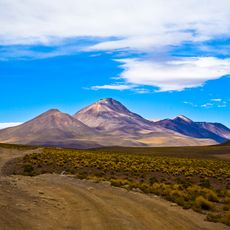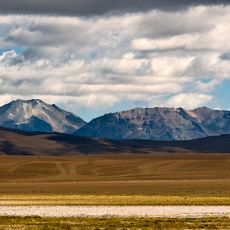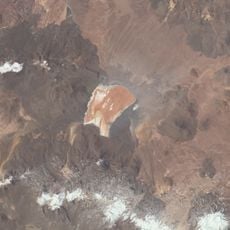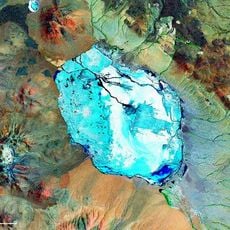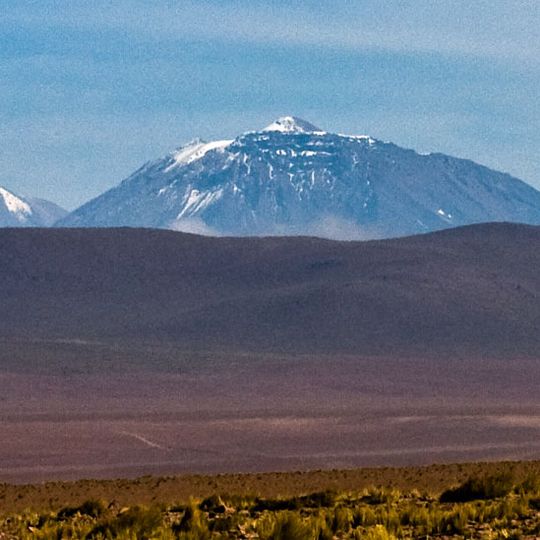
Cerro Paniri, Stratovolcano in Antofagasta Region, Chile.
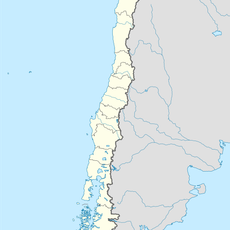
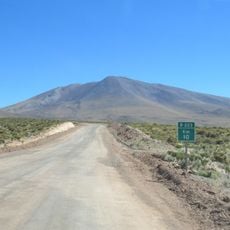
Volcán Paniri is a stratovolcano in the Antofagasta Region of Chile, near the Bolivian border, rising to 5,946 metres. It has three craters and a scoria cone on its summit, and one crater holds a small lake about 6 by 12 metres. Well-preserved lava flows extend down the south-southwest flanks, and moraines lie around the summit.
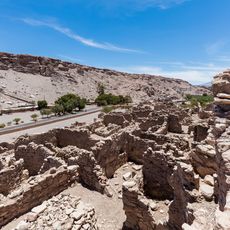
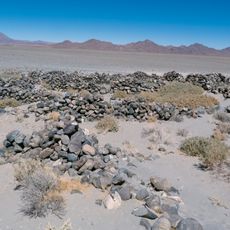
The mountain holds evidence of human presence from pre-Columbian times, as shown by archaeological findings. Ceremonial structures on its summit date to the period of Inka influence in the region.
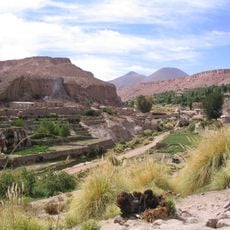
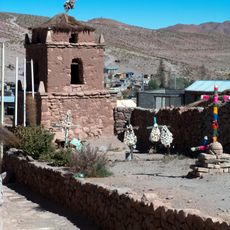
The mountain holds sacred meaning for residents of Ayquina village, reflecting how local communities view their landscape. This spiritual connection shapes how people interact with and understand the place today.
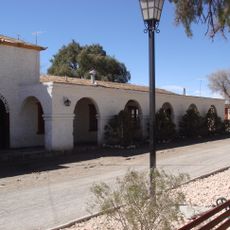
Access to the site follows dirt roads running along the northern and western slopes, with the nearby towns of Cupo and Turi serving as starting points. Visitors should expect challenging terrain and significant altitude.
The fairy shrimp Branchinecta brushi was discovered in Paniri's crater lake in 2009, not before. At roughly 5,900 metres, this remains the highest recorded find of a crustacean, a detail easily missed by visitors focused on the summit.
The community of curious travelers
AroundUs brings together thousands of curated places, local tips, and hidden gems, enriched daily by 92,687 contributors worldwide.