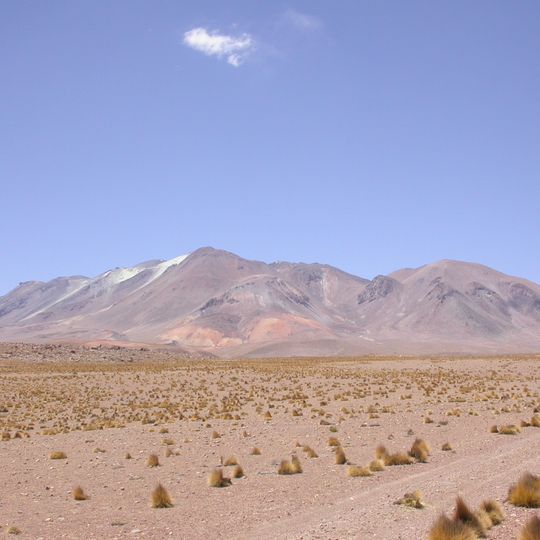
Aucanquilcha, Stratovolcano in Antofagasta Region, Chile
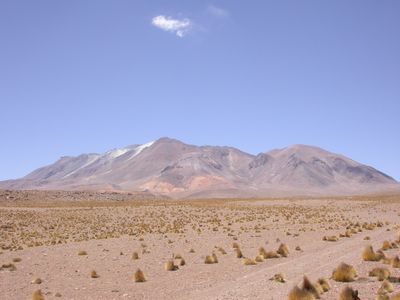
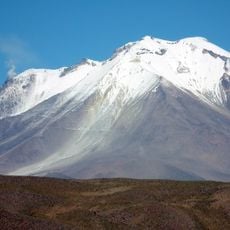
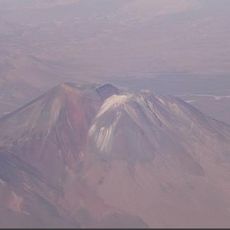
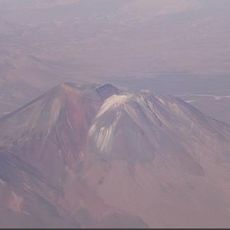
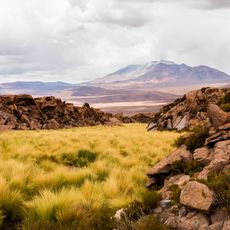
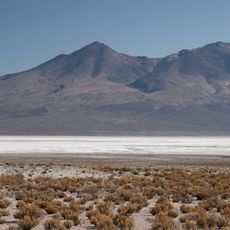
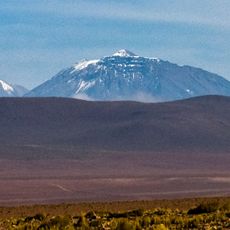
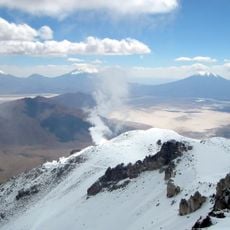
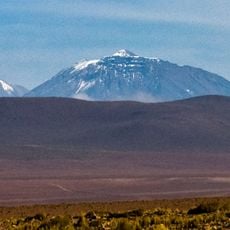
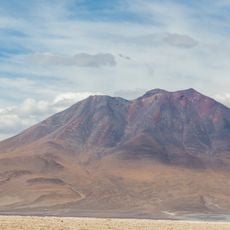
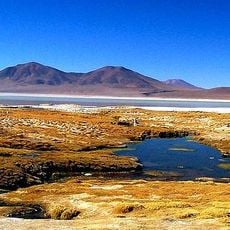
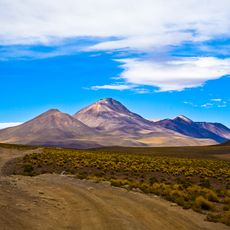
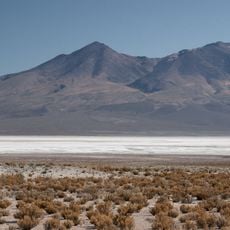
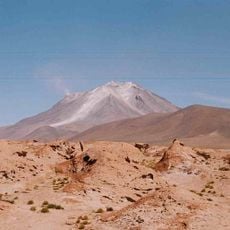
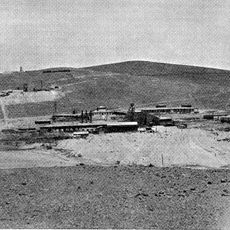
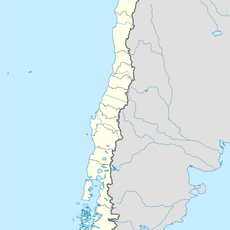
Aucanquilcha is a stratovolcano in the Antofagasta Region near the Chilean-Bolivian border, rising to 6,176 meters above sea level. The mountain displays a ridge-like profile and sits within the Alto Loa National Reserve, with an abandoned mining camp positioned at 5,280 meters.
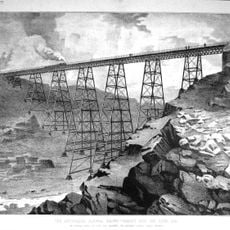
Mining operations began in 1913 using llama caravans to transport goods across the high slopes. A 22-kilometer aerial cable system was built in 1935 to move sulfur down from the mountain more efficiently.
The name comes from Quechua words meaning cruel spine, reflecting how local indigenous peoples understood and named this mountain. This language connection shows the deep roots of Andean culture in the region.
Reaching the summit requires careful acclimatization to high altitude before attempting the climb. The abandoned mining camp at 5,280 meters offers shelter and often serves as a reference point for expeditions planning to go higher.
The mountain once held the highest permanent human settlement in the world at 5,900 meters, where four miners lived in metal structures. This extreme outpost was only possible because sulfur extraction made the harsh conditions worthwhile for extended stays.
The community of curious travelers
AroundUs brings together thousands of curated places, local tips, and hidden gems, enriched daily by 91,283 contributors worldwide.