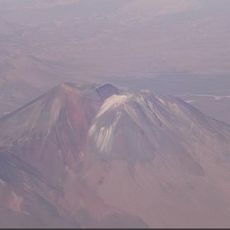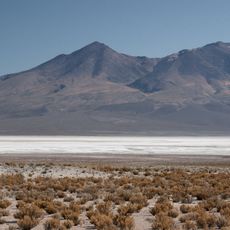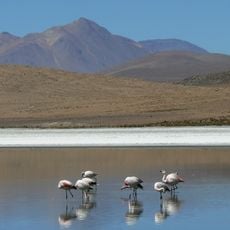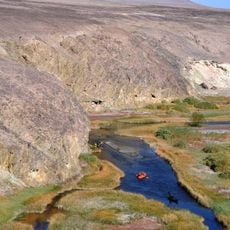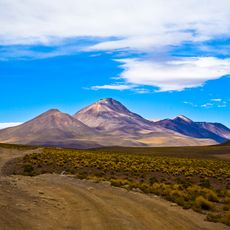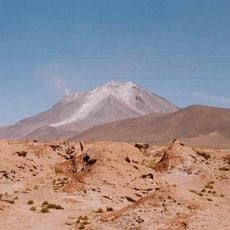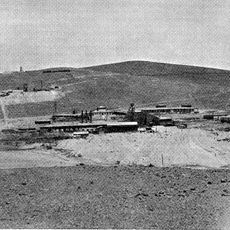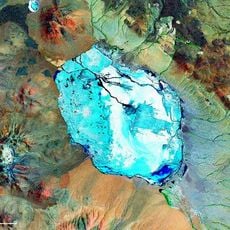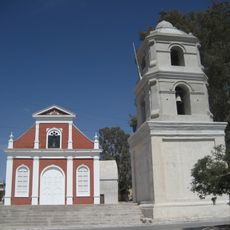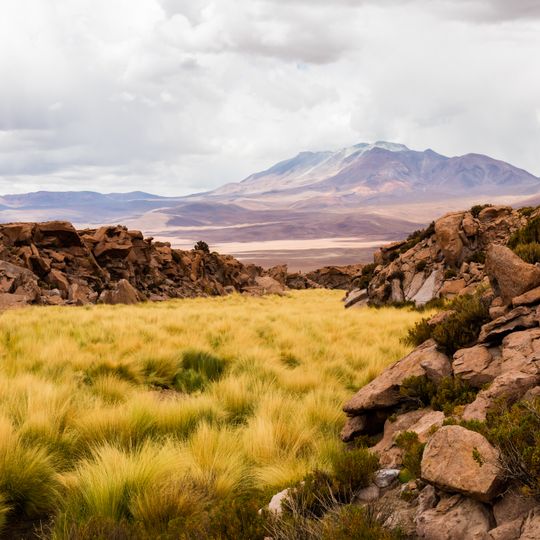
Olca, Stratovolcano at Chilean-Bolivian border, Chile
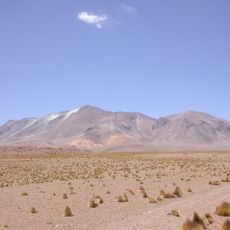
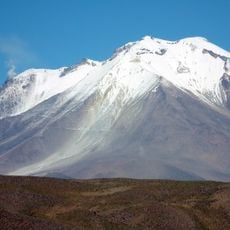
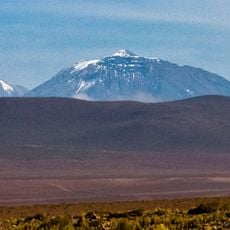
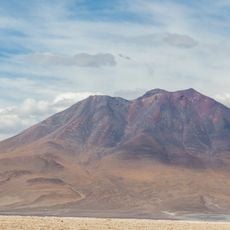
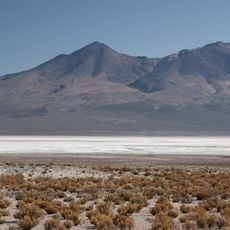
Volcán Olca is a stratovolcano located on the Chile-Bolivia border that rises to about 5,400 meters above sea level. The mountain forms part of a ridge system that includes several connected volcanic peaks across the high plateau region.
The volcano last erupted between 1865 and 1867, marking the end of major volcanic activity in the region. Observations decades later in 1989 and 1990 detected ongoing gas emissions from the summit area.
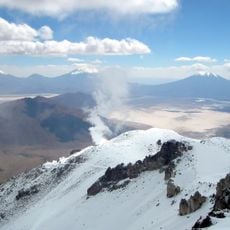
The name Olca is shared with the whole 15 km volcanic ridge it sits on, whose activity migrated eastward over time, so the youngest-looking edifices lie to the east near Paruma. Visitors at the summit dome can see the fumarole field, roughly 0.1 km2, that has vented continuously for at least 60 years.
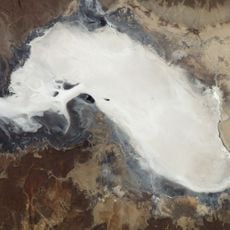
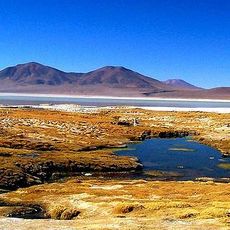
Access is from the Chilean side via the altiplano around the Salar de Surire; the volcano sits mid-way along a 15 km ridge, with Cerro Minchincha to the west and Paruma to the east, so the approach is by vehicle track and then on foot. The crater dome holds a fumarole field of about 0.1 km2, and a single warm spring lies at the base. Allow for acclimatisation before gaining height.
The summit has a persistent fumarolic field where hot gases and mineral-rich fluids continuously escape from the ground. These visible steam emissions make the mountain's volcanic nature apparent even though major eruptions ended more than a century ago.
The community of curious travelers
AroundUs brings together thousands of curated places, local tips, and hidden gems, enriched daily by 92,697 contributors worldwide.