Geoglyphs of Chug-Chug, Geoglyphs in the Atacama Desert, Chile
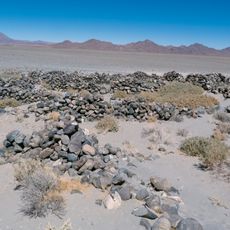
The Geoglyphs of Chug-Chug are about 500 large figures carved into the earth's surface spread across 23 archaeological sites in the region. These patterns show geometric shapes and depictions of humans, animals, and transportation methods visible on the sandy plateau ground.
The oldest geoglyphs at Chug-Chug date to around 1000 BC, while most were made between 900 and 1550 AD. They were drawn by Atacameño, Quechua and Tarapacá peoples along caravan trails linking the Calama oasis with Quillagua, base of an extinct pre-Hispanic town. The figures reach about 15 m in length and lie mainly on hillsides.
The figures were made by Atacameño, Quechua, Tarapacá and Arica peoples; the suri (rhea) and marine motifs such as cetaceans and albacore mark the routes between the Altiplano and the Pacific. The Fundación Desierto de Atacama, with indigenous communities and municipalities, seeks protected status for the area.
The site is remote and requires a local guide and specialized transport to reach it, as it sits in difficult terrain. Booking an organized tour ensures both proper transportation and guidance once you arrive at the location.
Some figures depict people harpooning fish, revealing that desert dwellers had contact with coastal regions. This detail shows that life here was not isolated but part of a larger network of exchange and trade.
The community of curious travelers
AroundUs brings together thousands of curated places, local tips, and hidden gems, enriched daily by 92,677 contributors worldwide.