Museo Pachamama, Pre-Columbian art museum in Amaicha del Valle, Argentina
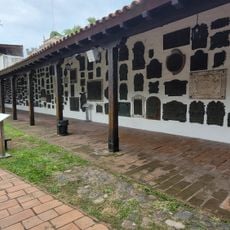
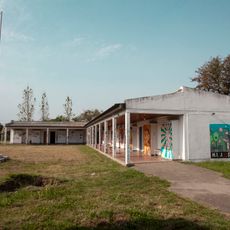
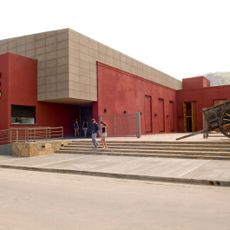
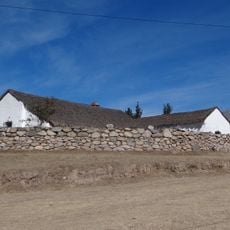
The Museo Pachamama, also called La Casa de Piedra, is a stone museum in Amaicha del Valle, Tucumán Province, designed by the self-taught painter, sculptor and craftsman Héctor Cruz without architects. It has four exhibition halls—geology, ethnology, tapestries and paintings—and a courtyard filled with sculptures of Pachamama, Inti, Quilla, the two-headed serpent of the Awada culture, the moon warrior and the table of the 12 caciques, all carved from local rock and set among cacti.
The museum was designed by the self-taught painter, sculptor and craftsman Héctor Cruz; no architects took part, and the project took six years to realise. It forms part of a project of museums of the Andean world. The complex is also known as La Casa de Piedra.
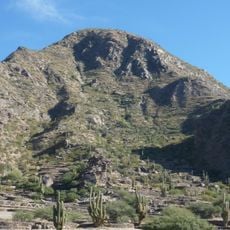
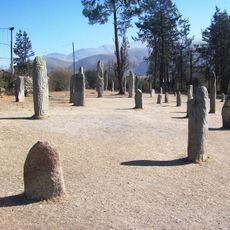
The courtyard is laid out like a stone fortress, with sculptures carved from regional rock: Pachamama, Inti, Quilla, the two-headed serpent of the Awada culture, the moon warrior and the table of the twelve caciques, set among cardones and cacti. The museum forms part of a project of museums of the Andean world.
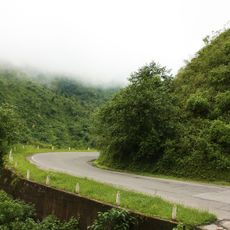
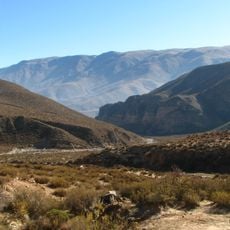
The museum lies in Amaicha del Valle, in Tucumán Province, and is reached by road through the Calchaquí Valleys. The complex was built without architects over six years, so the four halls and the stone courtyard follow an irregular layout; allow time to move between the geology, ethnology, tapestry and painting rooms and the open patio.
The geology section displays a scale model of the Calchaquí Valleys alongside minerals drawn from the area's varied rock formations. What surprises many visitors is how directly this natural history connects to the story of the people who lived in the same landscape for centuries.
The community of curious travelers
AroundUs brings together thousands of curated places, local tips, and hidden gems, enriched daily by 94,559 contributors worldwide.