Monument to the Heroes of Independence, Independence memorial monument in Humahuaca, Argentina
The Monument to the Heroes of Independence features a nine-meter-tall central figure surrounded by lateral bas-reliefs depicting scenes from Argentina's independence movement. The entire sculpture group weighs about 70 tons.
Deputy Ernesto Padilla proposed the monument in 1925, and Law No. 11,383 approved it unanimously in October 1926 under President Marcelo T. de Alvear. A jury chaired by Ricardo Rojas chose Ernesto Soto Avendaño's project, named Tupac Amaru, in 1928. Delayed after the 1930 coup, it was inaugurated on 23 August 1950 without Soto Avendaño, who was not invited.
The nine-metre bronze figure is officially the Argentine People, an anonymous hero, as its sculptor Ernesto Soto Avendaño explained. Many locals instead call it the Monument to the American Indian and link the figure to the Omaguaca chief Diego Viltipoco or to Pedro Socompa, a version that remains unconfirmed.
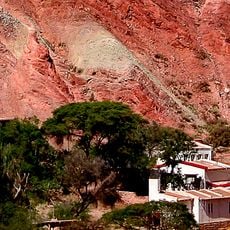
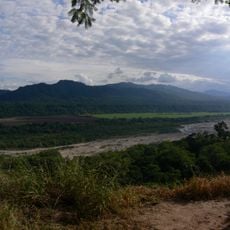
Access to the monument is available through stairs on both sides, with views across Humahuaca and the mountainous landscape of Jujuy province. Early morning or late afternoon visits work best, as the light at these times enhances the details of the sculpture.
The nine-metre bronze figure is officially an anonymous symbol of the Argentine people, but locals often identify it as Diego Viltipoco, an Omaguaca chief who led a late-16th-century rebellion against Spanish rule, or as Pedro Socompa, a Humahuaca chief documented around 1641. The sculptor, Ernesto Soto Avendaño, was not invited to the 1950 inauguration.
The community of curious travelers
AroundUs brings together thousands of curated places, local tips, and hidden gems, enriched daily by 93,339 contributors worldwide.