Quebrada de Humahuaca, Mountain valley with UNESCO World Heritage status in Jujuy Province, Argentina.
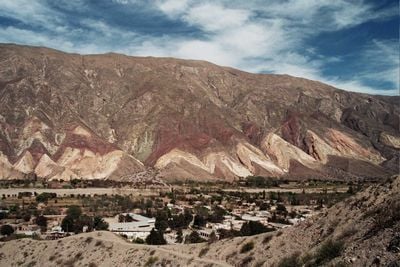
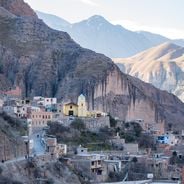
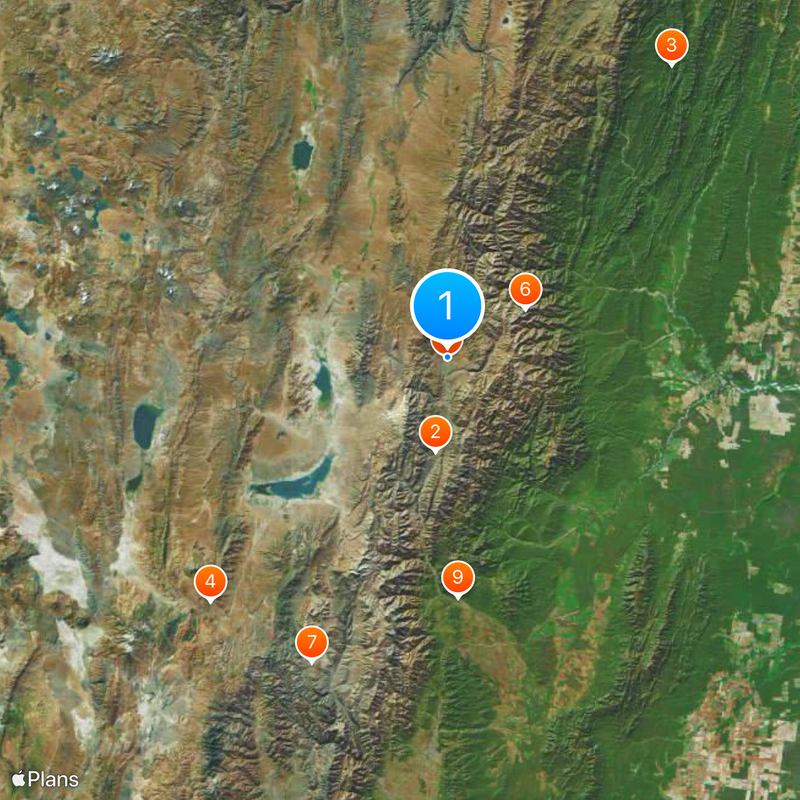
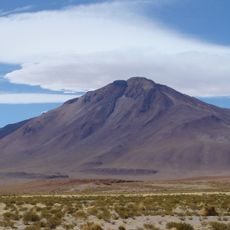
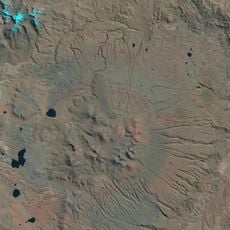
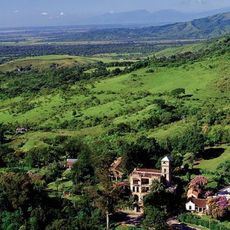
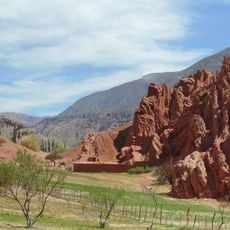
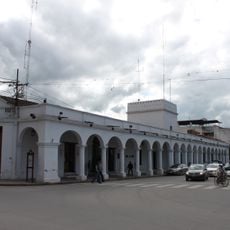
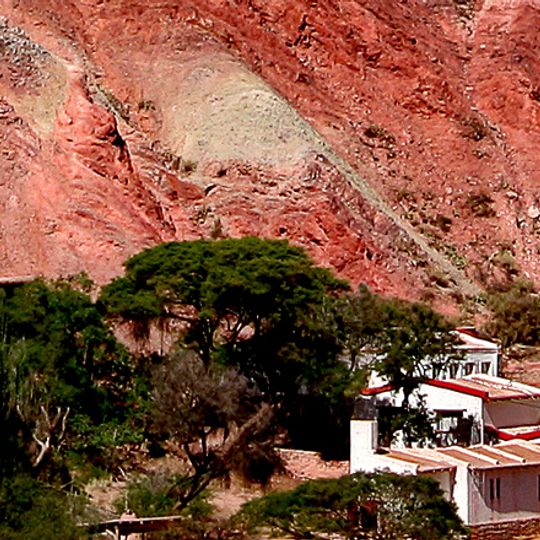
The Quebrada de Humahuaca is a canyon in Jujuy Province, Argentina, that stretches over a considerable length between high mountain ranges. Small villages of mud and stone appear along the route, surrounded by rocks in shades of red, yellow, and green that change color depending on the light.
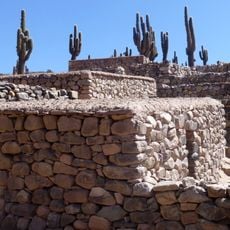
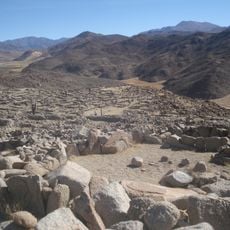
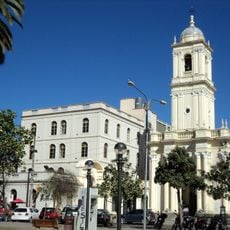
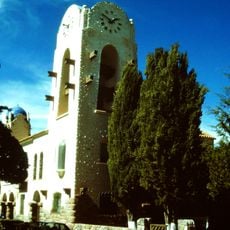
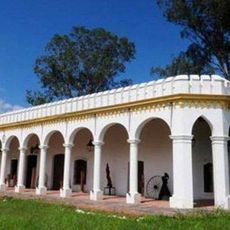
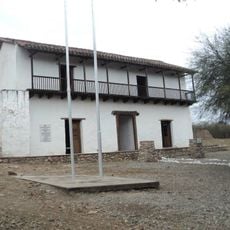
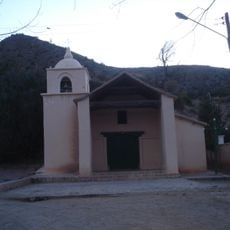
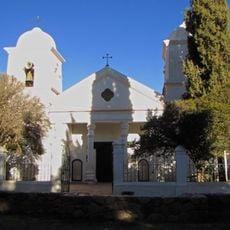
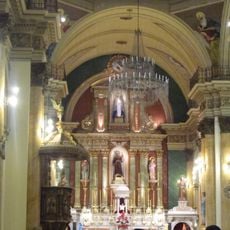
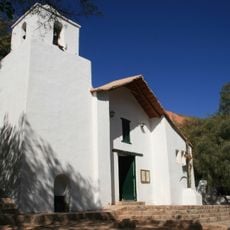
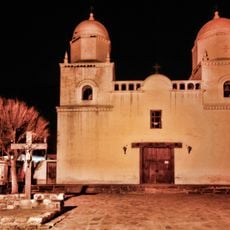
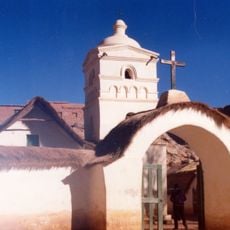
The canyon served for thousands of years as a connecting path between the high plateaus and the lower regions, used by traders and travelers from different cultures. The Spanish colonial period brought churches and fortifications, whose remains are still visible in several settlements.
The name means "narrow valley" in the indigenous language, and the local way of life centers on farming terraced fields along the slopes. Families often sell handmade crafts and regional produce at roadside stalls, where visitors can watch weavers work with alpaca wool.
Travelers should bring water and sun protection, as the altitude increases solar radiation and the air is drier. Towns along the route offer basic accommodations and restaurants, where you can adjust to the elevation.
In some places you can see rock drawings and petroglyphs left by the first inhabitants of the region. These depictions show animals, geometric patterns, and scenes from daily life that have survived for thousands of years.
The community of curious travelers
AroundUs brings together thousands of curated places, local tips, and hidden gems, enriched daily by 90,765 contributors worldwide.