Tastil, Pre-Hispanic archaeological site in Rosario de Lerma, Argentina.
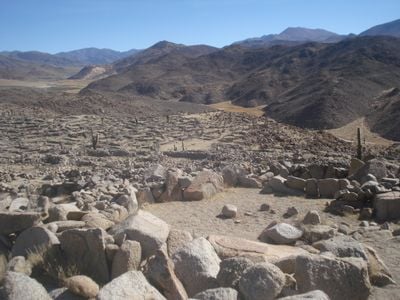
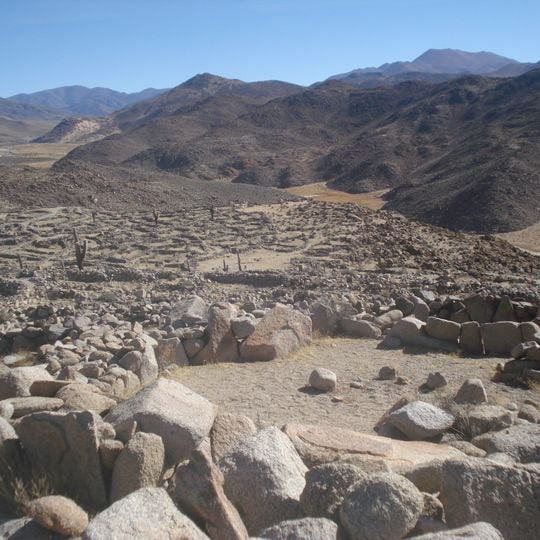
Tastil is an archaeological site with approximately 1160 stone structures scattered across the landscape. The settlement features elevated pathways, open plazas, and underground storage chambers that reveal how residents lived and managed their resources.
The settlement developed as an important regional center and reached its peak in the 15th century with a substantial population. It later fell under control of the Inca Empire during their expansion into the region.
Tastil was inhabited by the Atacameño, or Lickan Antai, people, who lived on quinoa, maize and llama herding. The central square held a wanka, a sacred stone used for ritual practices. Ten communities in the Rosario de Lerma department, mostly in the Quebrada del Toro, began organising in 2000 as the Pueblo Tastil, asserting descent from the site's former inhabitants and a distinct identity from the Kolla people.
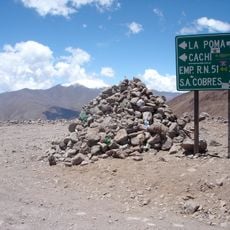
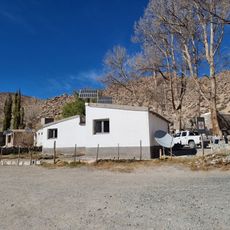
The ruins lie about 2.5 km northwest of Santa Rosa de Tastil, reached from the RN51 that links Salta with the Sico Pass. The Moisés Serpa Regional Museum in the village, opened in 1997, displays finds from the site and a 13th-century mummy; see it first for orientation. The ruins stand at 3,200 m, so allow for the altitude.
Tastil was abandoned before the Spanish arrived: studies link the departure to the Inca conquest, after which its people were resettled as mitmakuna under Tahuantinsuyu rule. The ruins were rediscovered in 1903 by the Swedish researcher Eric Boman and partly rebuilt in 1967 by a team from the University of La Plata led by Eduardo Mario Cigliano.
The community of curious travelers
AroundUs brings together thousands of curated places, local tips, and hidden gems, enriched daily by 92,659 contributors worldwide.