El Tatio, Geothermal field in Antofagasta Province, Chile
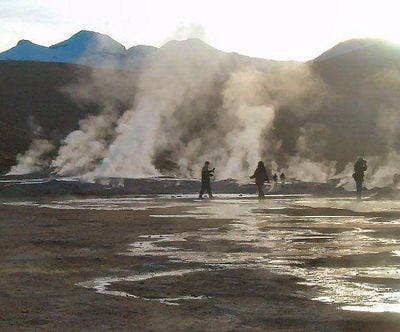
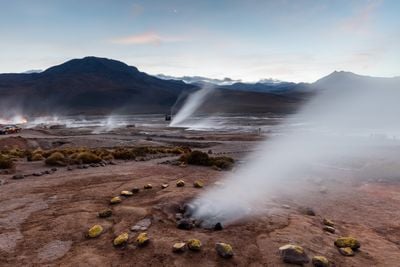
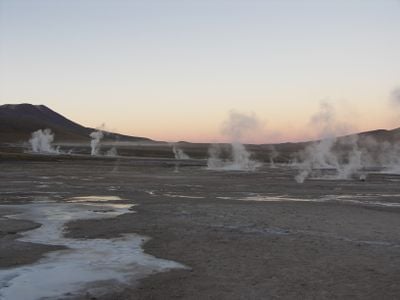
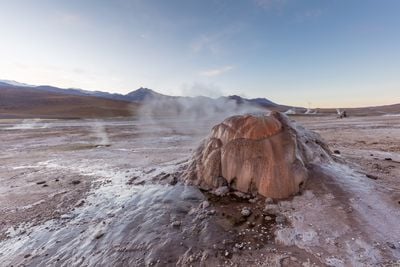
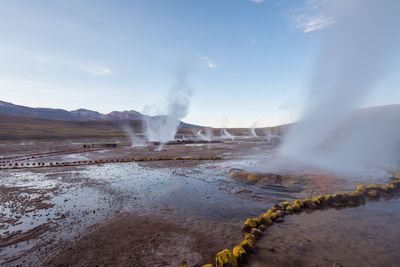
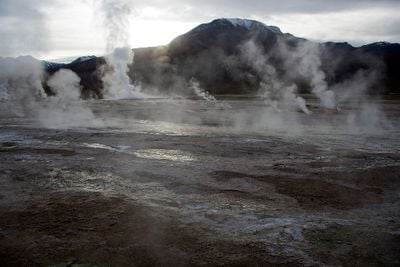
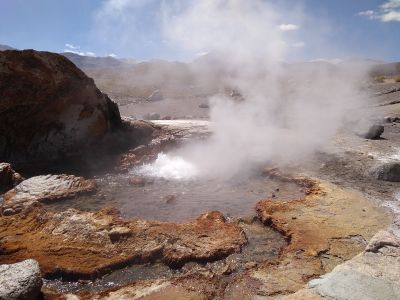
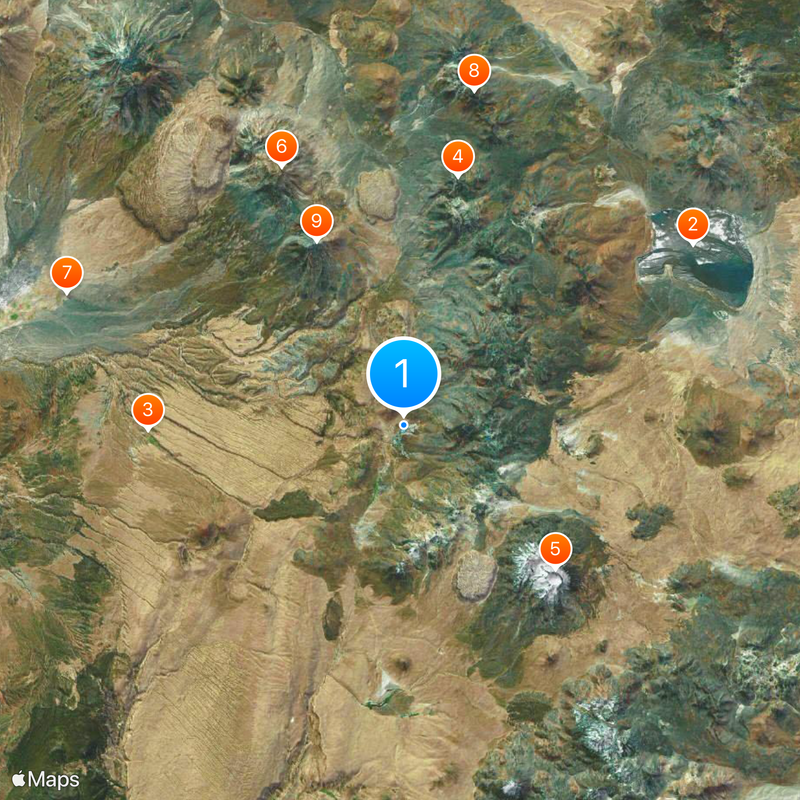
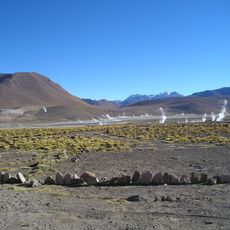
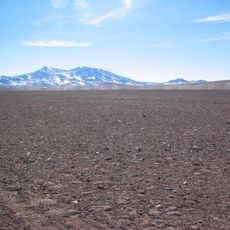
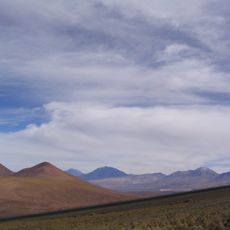
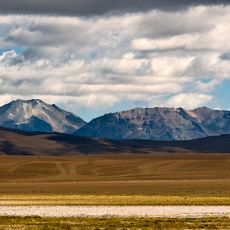
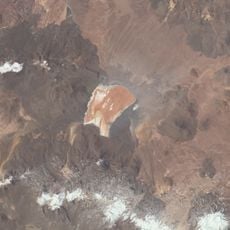
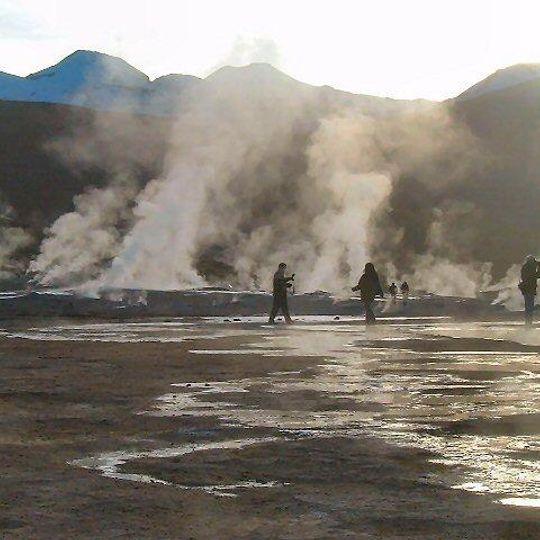
El Tatio is a geothermal field of about 10 km² in Antofagasta Province, at 4,290–4,320 m in the Andes. It holds roughly 80 active geysers, about 8% of the world's total, plus hot springs and sinter terraces. The field lies in a graben about 4 km wide and 6 km long, flanked east by andesitic stratovolcanoes and west by rhyolitic domes. Steam rises from vents and pools across dark, reddish-brown ground.
Scientific interest in this geothermal field emerged in the 1920s when researchers first began documenting its active features. Later studies in the mid-20th century focused on understanding its geothermal energy potential and volcanic characteristics.
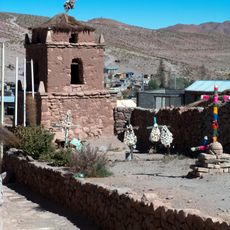
The name El Tatio comes from the Kunza language, with meanings including 'oven', 'to appear' and 'grandfather', whose tears are said to form the geysers. The field is also called the Copacoya geysers after a nearby mountain. An old Inca trail from San Pedro de Atacama to Siloli crossed the field, and the Inca operated a mountain sanctuary on Volcán Tatio.
Visits typically take place before sunrise when temperatures drop well below freezing, so bring warm layers and expect the high altitude to affect how your body feels. Plan to move slowly and stay hydrated throughout your time there.
El Tatio's true geysers number about 80, roughly 8% of the world's total, yet their eruptions average only 76 cm high; the tallest jet recorded here reached 5 m. The water emerges at about 86 °C, its boiling point at 4,290 m. The field also supports extremophile microorganisms studied as analogues for early Earth and possible past life on Mars.
The community of curious travelers
AroundUs brings together thousands of curated places, local tips, and hidden gems, enriched daily by 92,634 contributors worldwide.