Neuquén Province, Province in northern Patagonia, Argentina.
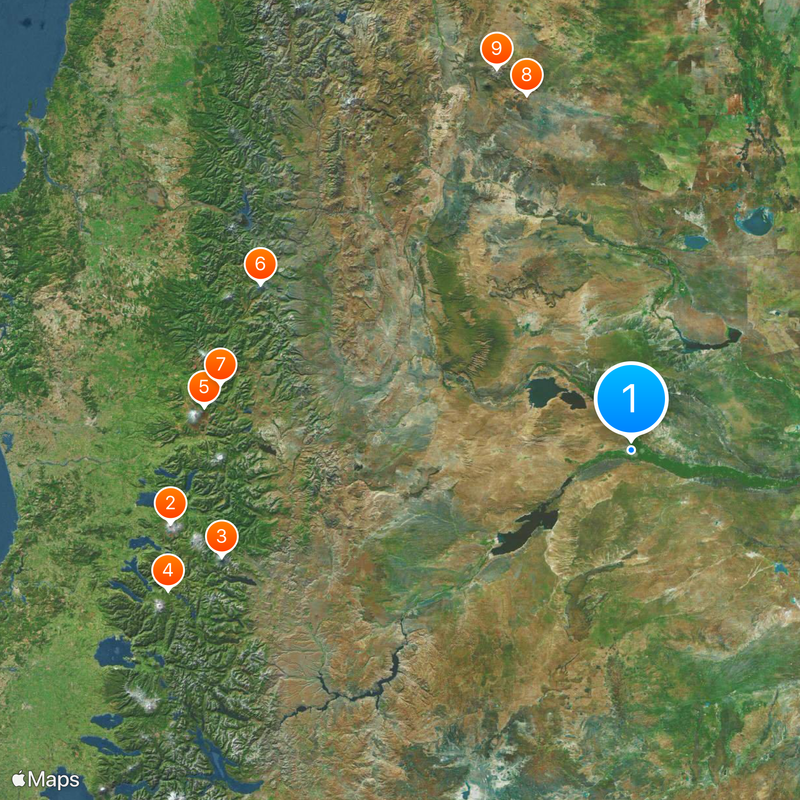
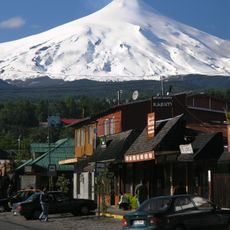
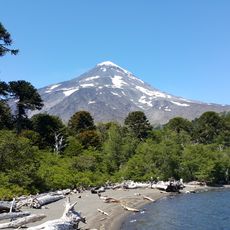
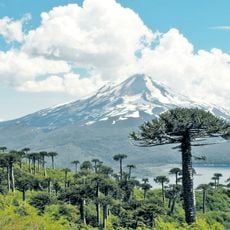
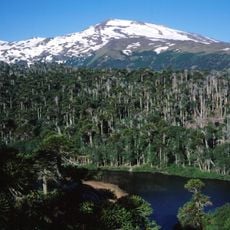
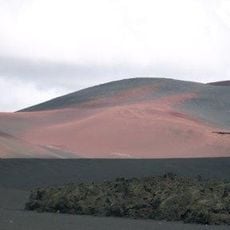
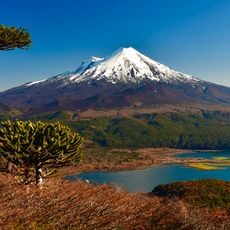
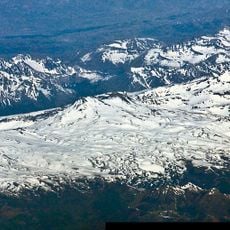
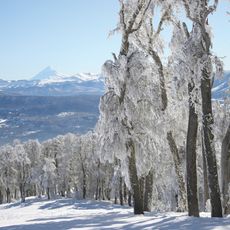
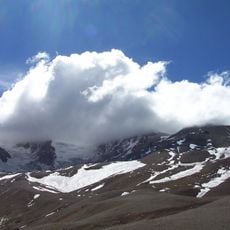
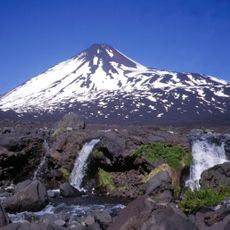
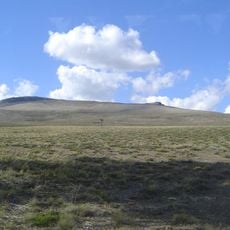
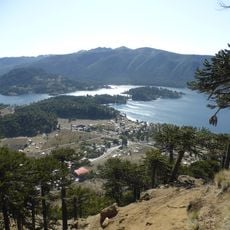
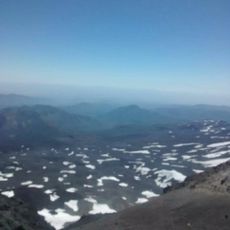
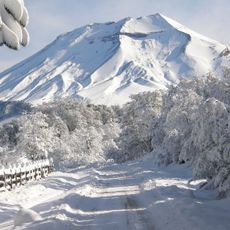
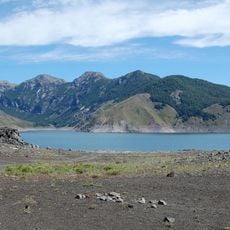
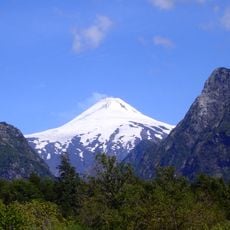
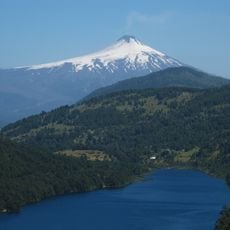
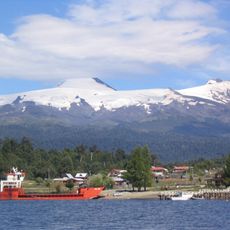
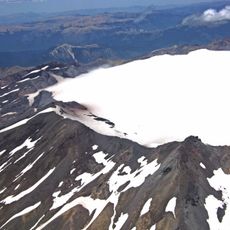
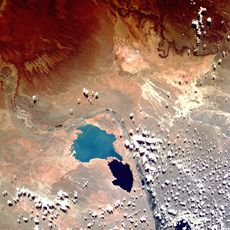
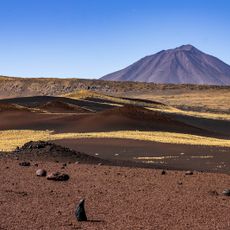
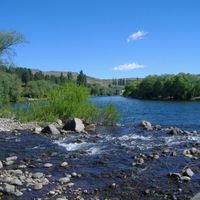
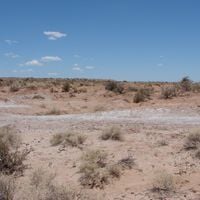
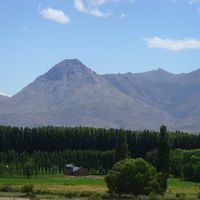
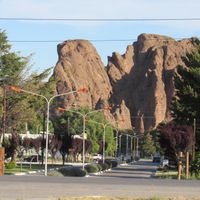
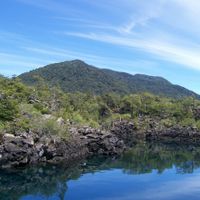
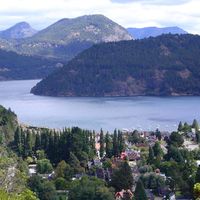
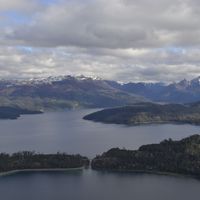
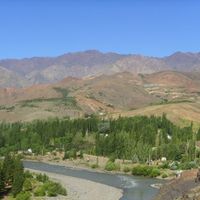
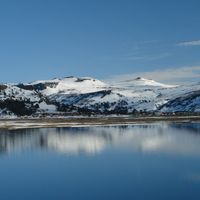
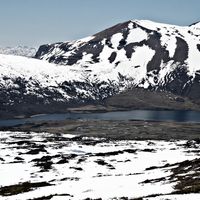
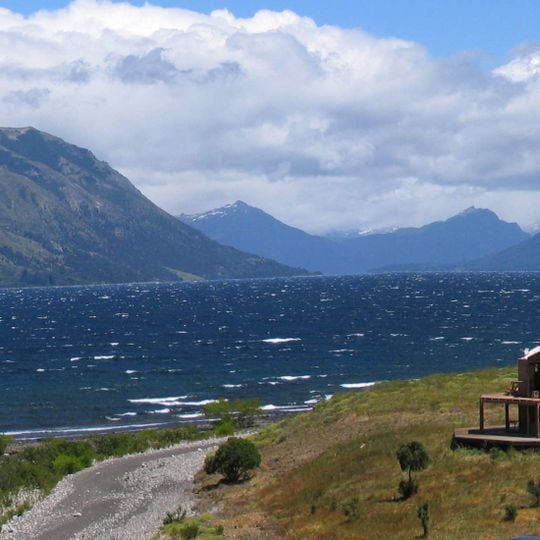
Neuquén Province is a first-level administrative division in northern Patagonia in Argentina. The territory spans different landscapes with mountains in the west, fertile valleys along the rivers and dry plateaus in the east.
The area was organized as a national territory in 1884 and received provincial status only in 1955. The transition took several decades during which the region gradually gained autonomy.
The name comes from Mapudungun and means strong current, referring to the rivers of the region. Many place names and terms still recall the roots of the Mapuche people who lived here before European arrival.
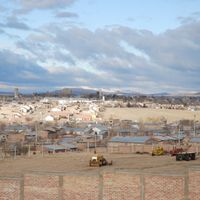
This province includes 16 departments and 77 municipalities spread between the mountains and the plains. Natural gas and petroleum reserves shape the economy of the region and provide jobs in many towns.
Archaeologists found the oldest known maize remains in southern South America in the Lacar area, between 730 and 920 years old. This discovery shows that people practiced agriculture in these remote valleys centuries ago.
The community of curious travelers
AroundUs brings together thousands of curated places, local tips, and hidden gems, enriched daily by 60,000 contributors worldwide.