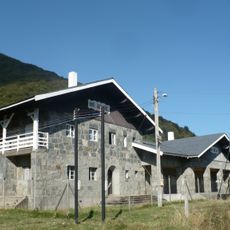
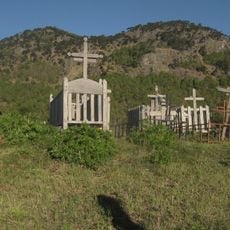
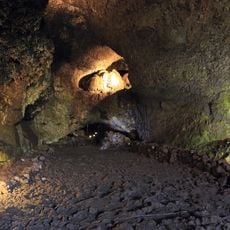
Sollipulli, Dormant volcano in La Araucanía Region, Chile.
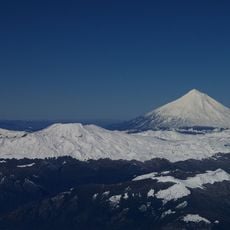
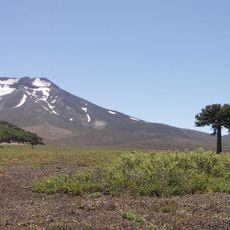
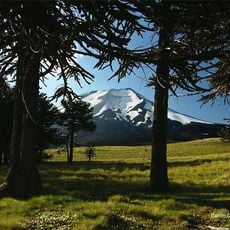
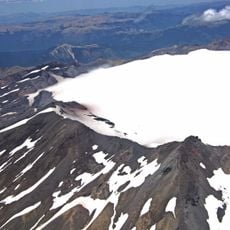
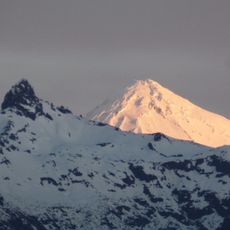
Sollipulli is an ice-filled volcanic caldera and complex in the Andes' Southern Volcanic Zone, southeast of Melipeuco in La Araucanía Region. Its summit caldera is about 4 km wide, with rims rising 150 m above the ice, and the highest summit on the southern flank reaches 2,282 m. Southwest of it lies the 1 km-wide Alpehué crater, and lava domes border the caldera on its southern and eastern sides.
The most recent activity occurred roughly 710 years ago when the Chufquén scoria cone formed along the volcano's outer flanks. This marked the end of a period of eruptions.
The name comes from Mapudungun, the Mapuche language, and means 'reddish mountain'. The volcano is also known as Quetrudugu or Questrudugun on early Chilean maps, a name recorded by Luis Risopatrón in his 1924 Diccionario Jeográfico de Chile. The summit caldera and its glaciers lie within the Kütralkura geopark project.
Reaching this site requires mountaineering gear and an experienced guide due to challenging terrain and thick ice coverage. The combination of volcanic rock and glacial conditions creates a technically demanding environment.
The caldera contains glacial ice reaching depths of 650 meters with deep crevasses running through it. This thick ice mass may hide a subglacial lake beneath its surface.
The community of curious travelers
AroundUs brings together thousands of curated places, local tips, and hidden gems, enriched daily by 93,002 contributors worldwide.