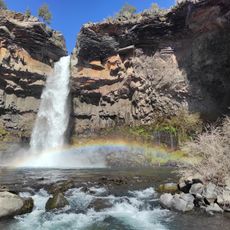
Volcán Nuevo, active stratovolcano in the Ñuble Region, Chile
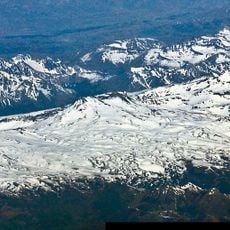
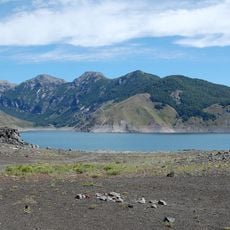
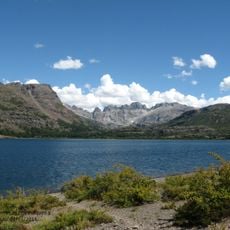
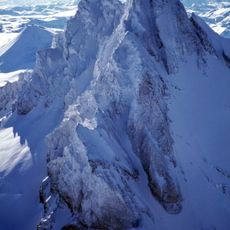
Volcán Nuevo, also called Volcán Chillán, is the active cone of the Nevados de Chillán complex in the Andes of Chile's Ñuble Region, on the border between the Pinto and Coihueco communes. It formed through eruptions between 1906 and 1948 and carries twelve glaciers, four of them glaciarets.
Volcán Nuevo formed through a series of eruptions between 1906 and 1948, making it the youngest and volcanically active part of the Nevados de Chillán complex, on the border of the Pinto and Coihueco communes in the Ñuble Region. On 31 December 2015, Chile's National Emergency Office placed the area around the volcano under alert. In January 2020 it emitted a column of smoke more than 3,500 metres high, and further explosions in April, May and June led the National Geology and Mining Service to widen the exclusion zone.
The name derives from the city of Chillán, from which the route to the massif begins; the volcano is also called Volcán Nuevo because it formed through eruptions between 1906 and 1948. It is the volcanically active part of the Nevados de Chillán complex, on the border between the Pinto and Coihueco communes.
The volcano lies in the Nevados de Chillán complex, on the border between the Pinto and Coihueco communes in the Ñuble Region; the route starts from the city of Chillán. Since 31 December 2015 the area has been under alert from ONEMI, and after the 2020 explosions SERNAGEOMIN set exclusion zones of 5 km to the northwest and 3 km to the southwest. Check current restrictions before setting out.
The volcano's name comes from the city of Chillán, from which the route to the massif begins. It is the active part of the Nevados de Chillán complex, on the border between the Pinto and Coihueco communes, and has twelve glaciers, four of them glaciarets.
The community of curious travelers
AroundUs brings together thousands of curated places, local tips, and hidden gems, enriched daily by 92,776 contributors worldwide.