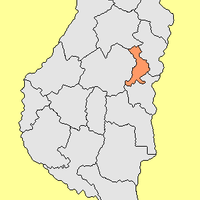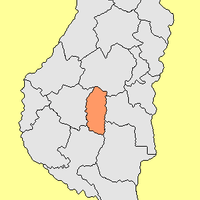
Entre Ríos Province, Province with two major rivers in eastern Argentina
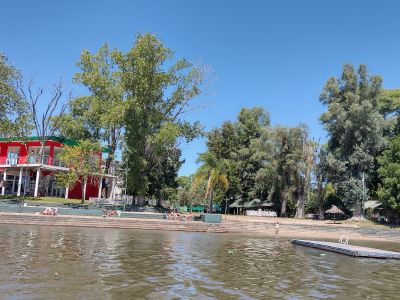
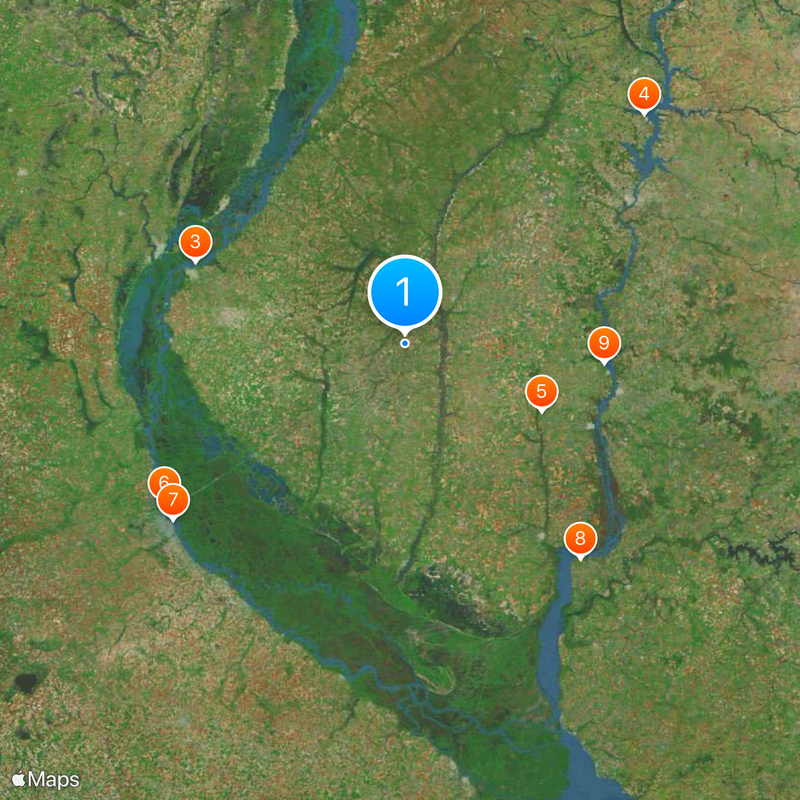
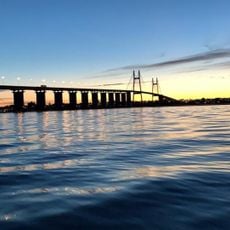
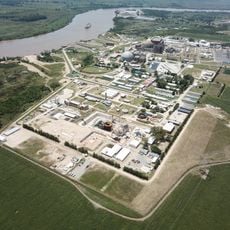
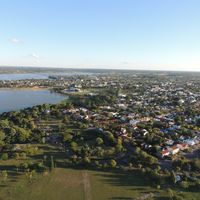
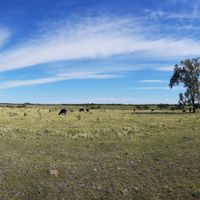
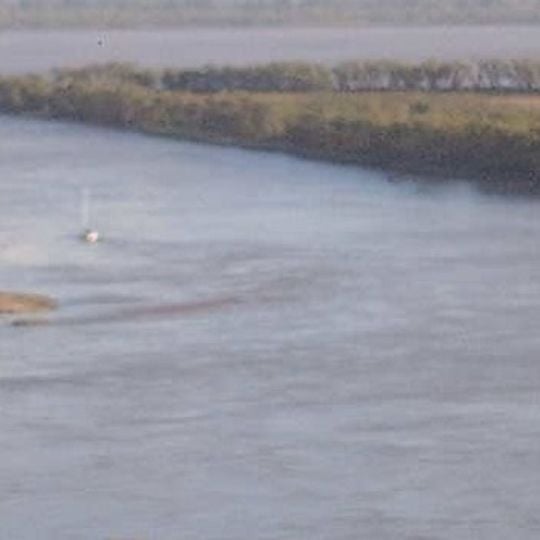
This province stretches between two major waterways in eastern Argentina and shows forested hills in the northern section along with delta lands in the south. The landscape shifts between gentle rises, river bends, and wide plains broken by pastures and smaller settlements.
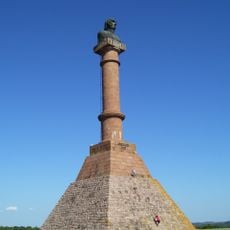
The territory received provincial status in 1814 and became a center of resistance against the rule of Rosas in the following decades. Conflicts and political upheavals marked the first half of the nineteenth century and changed the organization of the region for good.
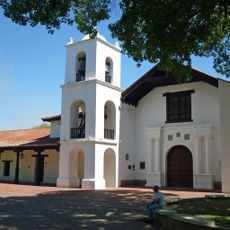
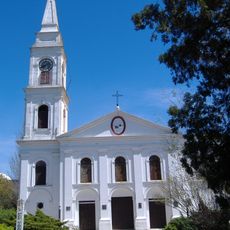
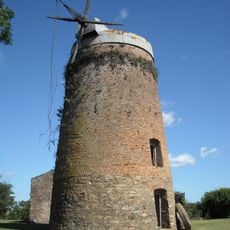
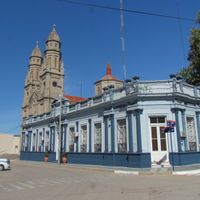
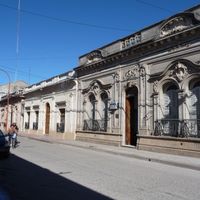
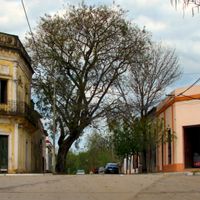
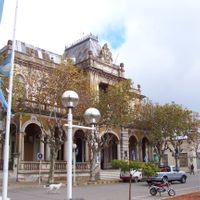
Settlers from Europe left visible traces in the towns and rural areas, where their building styles and everyday customs still appear. Residents maintain these traditions through festivals and craft activities that shape daily life and give travelers a glimpse into the colonial era.
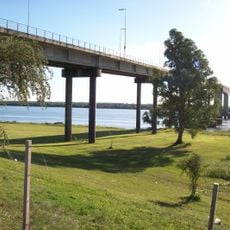
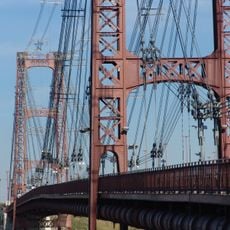
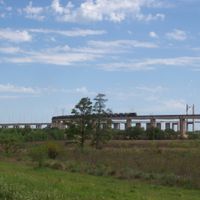
Arriving from Buenos Aires involves a network of bridges, roads, and rail links that connect both shores. Travelers should watch for changing road conditions especially during the wet season and allow enough time for the crossing over the rivers.
A national park within the province preserves palms that are several centuries old and protects sites left by earlier inhabitants of the area. Archaeological remains show how people lived here before European colonization began and offer insight into a time often overlooked.
The community of curious travelers
AroundUs brings together thousands of curated places, local tips, and hidden gems, enriched daily by 92,127 contributors worldwide.