Meseta de Artigas, Cultural heritage monument at Paysandú Department, Uruguay.
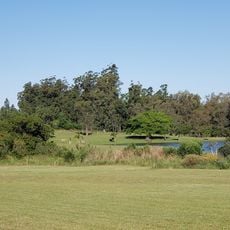
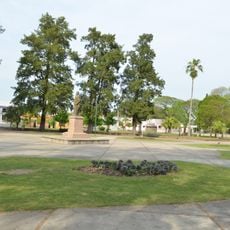
The Meseta de Artigas is a plateau above the Uruguay River in Paysandú Department, where bluffs reach 50 m. On it stands a 37 m monument: a pyramidal base of stones quarried on site, 15 m per side, topped by a pink granite column bearing Juan Azzarini's 5.50 m bronze bust of Artigas facing the river. The grounds also hold a museum in a stone building known as the casona del Patriarca, a naval prefecture office, a camping area and a small dock on a river beach.
The monument was inaugurated on 25 August 1899, the second dedicated to Artigas in Uruguay after the one in San José. In 1897 a honorary commission from Salto placed the foundation stone, and the land was donated by estanciero Nicanor Amaro. It was declared a national historical monument on 7 May 2003 by law 17.631, which also provided for the creation of Purificación National Park.
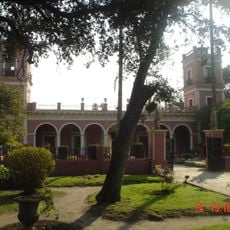
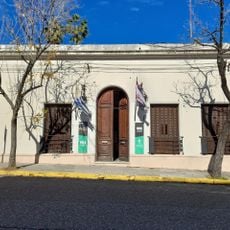
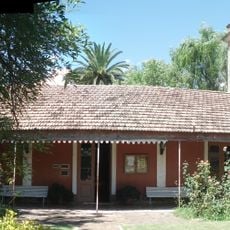
The stone building known as the "casona del Patriarca" now houses a museum on José Gervasio Artigas. The monument's 1897 foundation stone ceremony drew 450 people from Salto aboard a steamship of the "Mensajerías Fluviales del Plata", accompanied by the small steamer "Tangarupá" carrying the authorities.
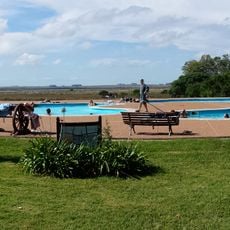
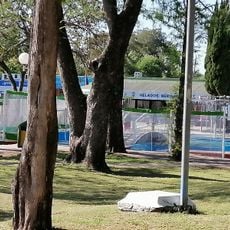
Access is via a 15 km road west from km 453 of Route 3; the nearest town is Chapicuy, 37 km from the Guaviyú hot springs and 110 km from Paysandú. The grounds have a camping area and a sports dock on a small river beach. Part of the site is closed to the public because of ongoing archaeological research.
The 37-metre monument rests on a pyramidal base 15 metres on each side, built from stones taken from the plateau itself. A pink granite column carries a 5.50-metre bronze bust by sculptor Juan Azzarini, facing the Uruguay River. The site was chosen for its proximity to the camp Artigas established during the Oriental exodus.
The community of curious travelers
AroundUs brings together thousands of curated places, local tips, and hidden gems, enriched daily by 93,764 contributors worldwide.