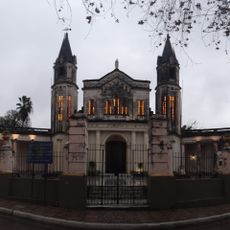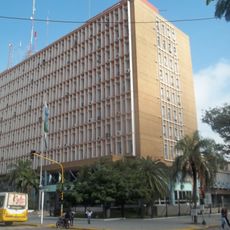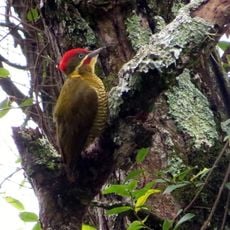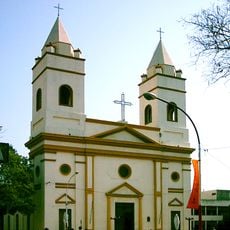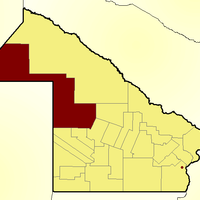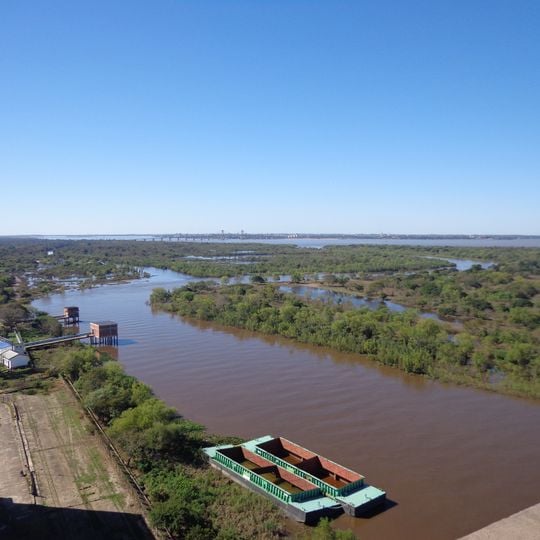
Chaco Province, Province in northeastern Argentina
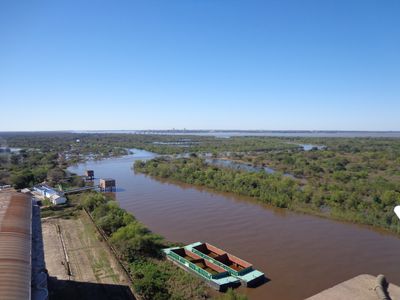
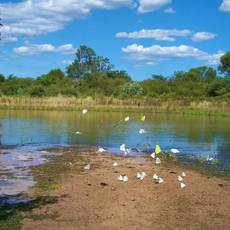
Chaco is a province in northeastern Argentina that spreads across subtropical forests, savannas, and river basins. The landscape shifts between dense greenery, dry grasslands, and small farms surrounded by cotton fields.
The territory gained provincial status in 1951 after centuries of indigenous settlements and Spanish colonization attempts shaped the land. The formation of the province followed economic developments in the 20th century, especially in cotton farming.
Three indigenous languages – Kom, Moqoit, and Wichí – hold official status alongside Spanish, showing how closely native communities remain tied to daily life. In towns and villages, travelers often encounter bilingual signs and hear different idioms spoken in streets and markets.
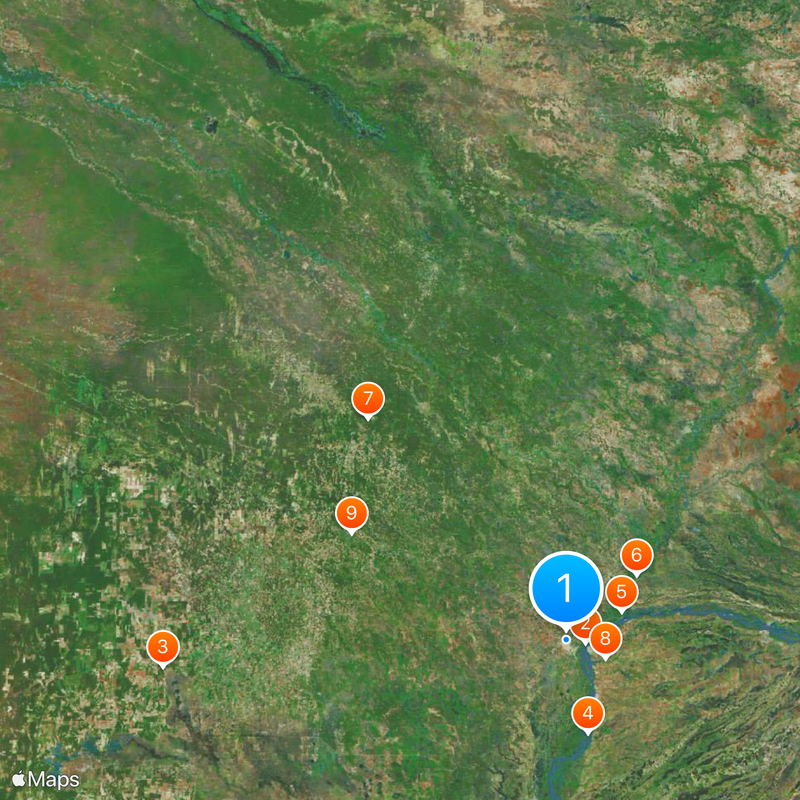
The capital, Resistencia, serves as a central starting point with road connections heading north, south, and east. Visitors should be aware of the subtropical climate, which can become humid and rainy, especially during summer.
The province produces most of Argentina's cotton, with wide white fields covering the flatlands. Harvest takes place in autumn, when the landscape is dotted with bright tufts.
The community of curious travelers
AroundUs brings together thousands of curated places, local tips, and hidden gems, enriched daily by 90,753 contributors worldwide.