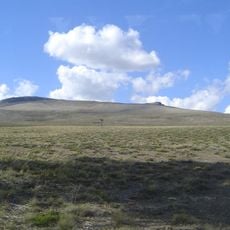
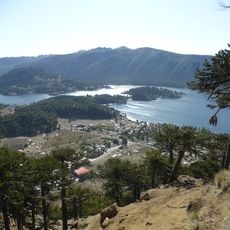
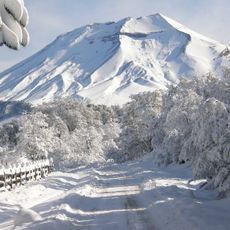
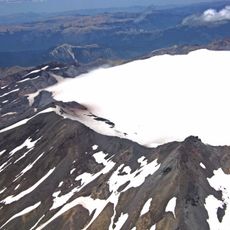
Tolhuaca, Stratovolcano in La Araucanía region, Chile.
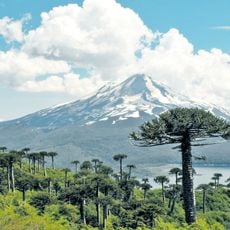
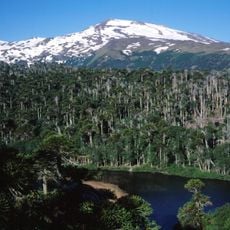
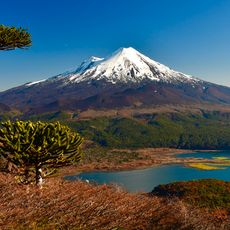
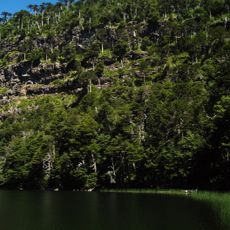
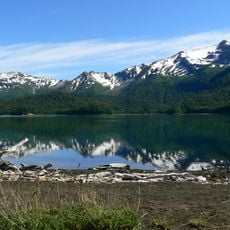
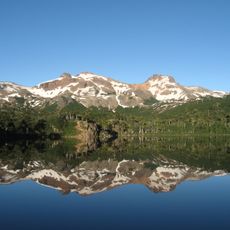
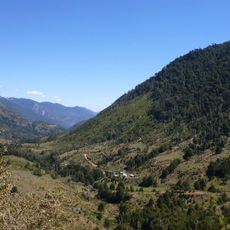
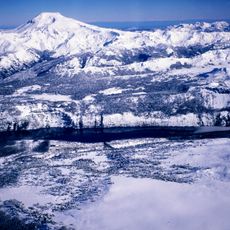
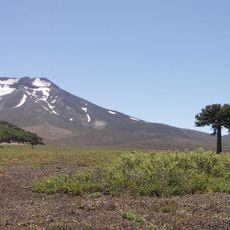
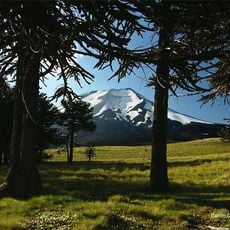
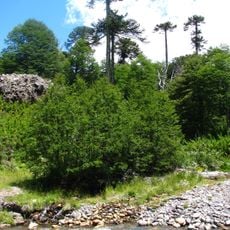
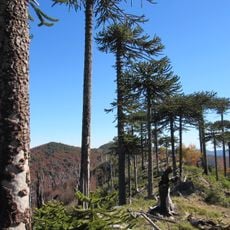
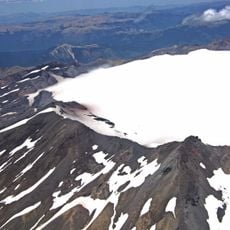
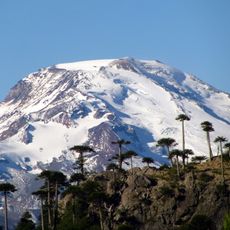
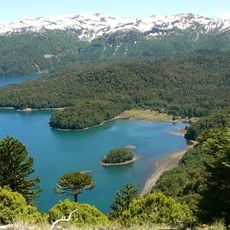
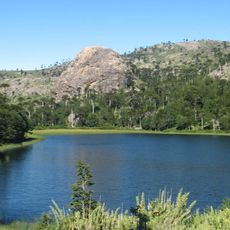
Tolhuaca is a stratovolcano on the border of the Bío Bío and Araucanía regions, its slopes cut by glacial erosion into forms that contrast with the smoother flanks of the younger Lonquimay next to it. Forests of araucaria and other trees cover the slopes, and small lakes called lagunas lie among them. The volcano dominates the views of Tolhuaca National Park although it stands outside the park limits.
Tolhuaca is a stratovolcano whose profile was carved by glacial erosion, which left it more rugged than the smoother slopes of its younger neighbour Lonquimay. The sources give no formation date or eruption record; they describe the volcano as dominating the views of Tolhuaca National Park while lying outside its boundaries.
The name Tolhuaca comes from Mapudungun and means "cow's forehead" or "front of a cow", a reference to the shape of the massif. The volcano gives its name to Tolhuaca National Park, whose landscapes it dominates from just outside the park limits. Its araucaria-covered slopes are the setting for the park's trails and lagunas.
Tolhuaca lies on the Bío Bío–Araucanía regional border, and its summit is not inside Tolhuaca National Park, so approach routes come from outside the protected area. The upper slopes are covered by araucaria forest, and small lakes called lagunas sit among the surrounding terrain. Plan the approach from the Curacautín or Lonquimay side, where lodging and supplies are available.
The volcano features gentle slopes contrasting with its steeper neighbor Lonquimay, serving as an emblem of Tolhuaca National Park without being within its boundaries.
The community of curious travelers
AroundUs brings together thousands of curated places, local tips, and hidden gems, enriched daily by 93,898 contributors worldwide.