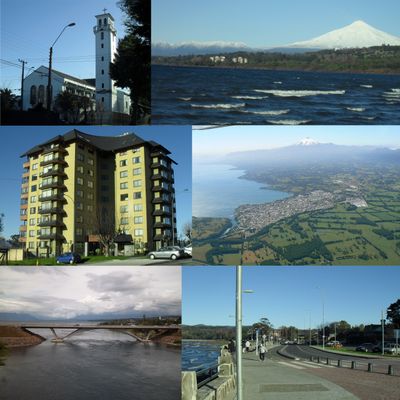
Villarrica, Municipal center in Cautín Province, Chile
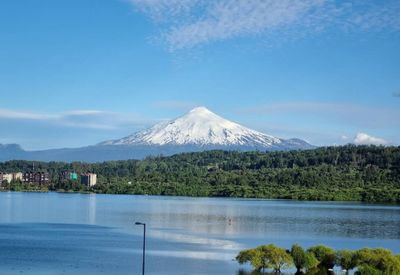
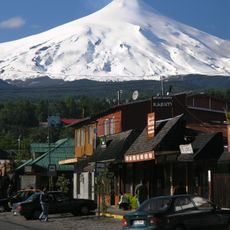
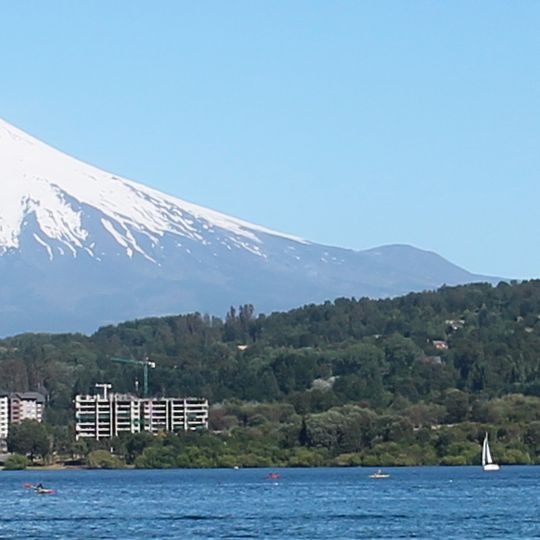
Villarrica sits at the western shore of a lake whose waters stretch to the horizon, while the snow-covered volcano rises in the background to 9383 ft (2860 m). The streets run parallel to the shoreline, with low buildings made of wood and stone, a few squares lined with trees, and shops selling local goods.
Spanish settlers founded the town in 1552, but conflicts with the Mapuche led to several abandonments and rebuildings over the following centuries. Only in 1882 did permanent occupation take hold after the end of armed confrontations.
This town takes its name from the nearby lake and mountain, whose designation comes from the Mapuche language and describes earth rich in gold. Along the streets you often see vendors offering handwoven textiles and carved wooden items, while some neighborhoods still preserve traditional ruka structures.
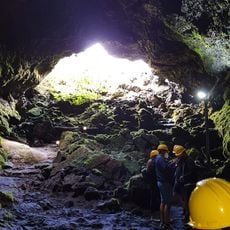
The town serves as a starting point for excursions into the surrounding nature parks, with trails accessible on foot or by vehicle. During summer, activities center on the water, while winter brings skiing opportunities on the mountain slopes.
The settlement sits at the meeting point of three geological features: an active volcano, a glacial lake, and the Mocha-Villarrica fault zone. This position makes it a monitoring site for researchers studying tectonic activity and earthquake risks.
The community of curious travelers
AroundUs brings together thousands of curated places, local tips, and hidden gems, enriched daily by 91,885 contributors worldwide.