Tralcán, Mountain summit near Riñihue Lake, Chile
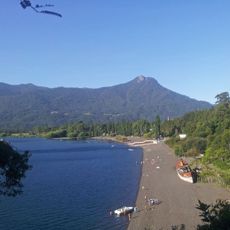
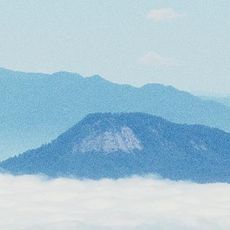
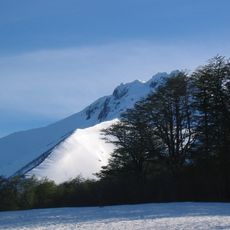
Tralcán is a triangular mountain south of the outflow that divides western Riñihue Lake into two arms, in Chile's Región de Los Ríos. It is built of Triassic volcanic sediments known as the Tralcán Formation, one of the few fossil-bearing Mesozoic sequences in the Zona Sur. The hill Llecué lies to its northwest.
The mountain is strongly associated with the 1960 Valdivia earthquake, when massive landslides from its slopes created a natural dam at Riñihue Lake. This event reshaped the landscape and left visible marks that remain observable today.
The name Tralcán comes from Mapudungun, the language of Huilliche communities, and means 'thunder'. This word reflects how indigenous peoples connected the mountain to the powerful natural forces that shaped their world.
Climbing to the summit requires good preparation, as weather in the region can change quickly. It is best to start from hiking trails around Riñihue Lake and bring sturdy footwear and weather-resistant clothing.
Tralcán is one of the few places in Chile's Zona Sur where Mesozoic fossils are found, in sediments of the Tralcán Formation. The mountain is also linked to the 1575 Valdivia earthquake, after which evidence points to a landslide similar to the one that dammed Riñihue Lake in 1960.
The community of curious travelers
AroundUs brings together thousands of curated places, local tips, and hidden gems, enriched daily by 93,636 contributors worldwide.