Tarapacá Region, Administrative region in northern Chile
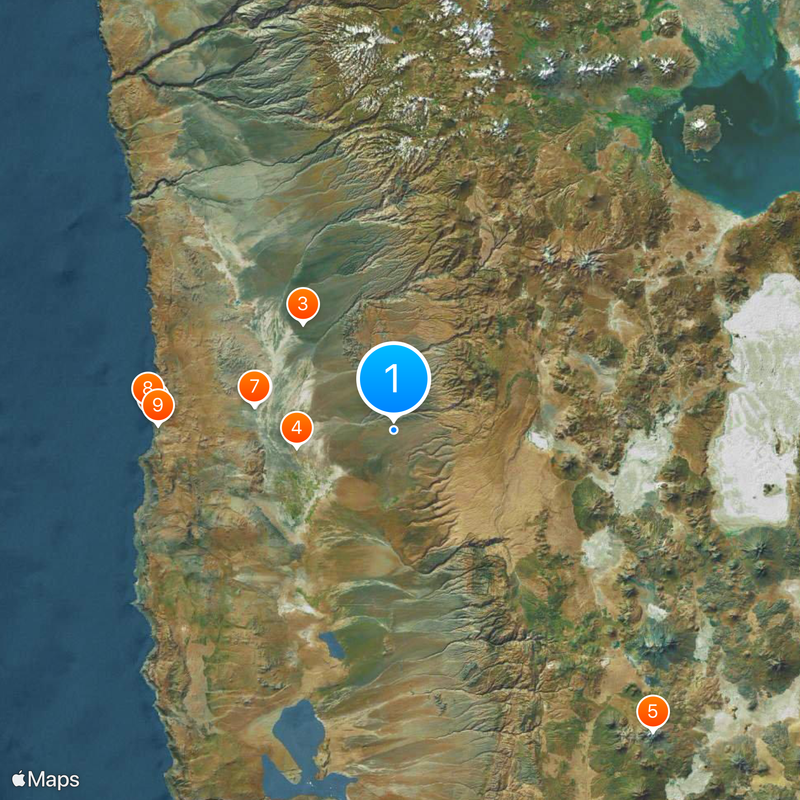
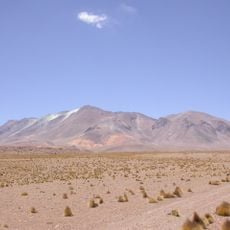
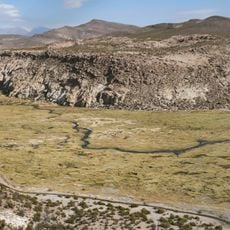
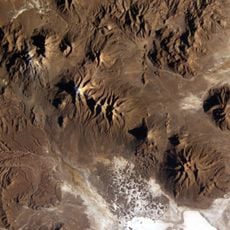
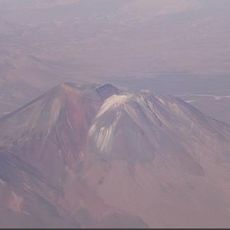
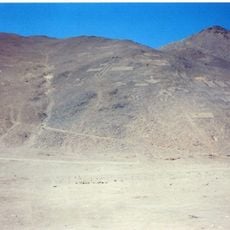
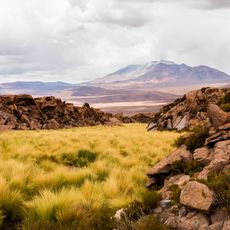
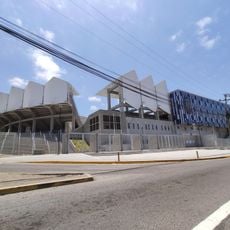
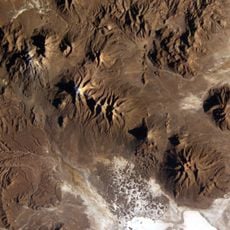
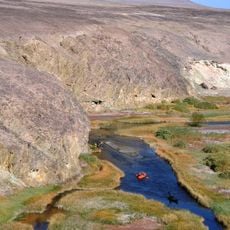
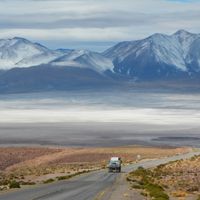
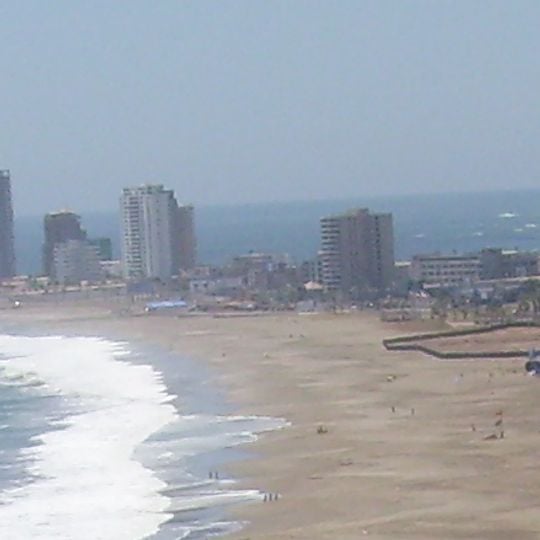
Tarapacá Region stretches across northern Chile between the Pacific Ocean and the Bolivian border, covering desert expanses and coastal strips. The provinces of Iquique and Tamarugal form the administrative units of this area, where mountain ranges, salt flats and barren plains alternate.
The area belonged to Peru until 1883 and passed to Chile after the War of the Pacific through the Treaty of Ancón. The change in national affiliation shaped the development of settlements and the economic direction of the territory.
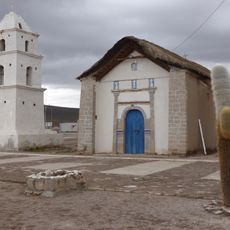
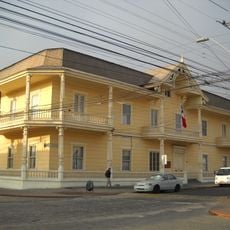
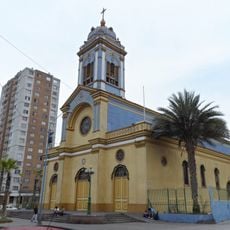
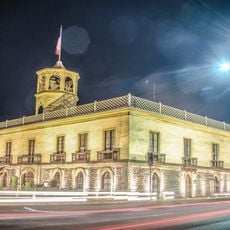
The name comes from Tarapacá, an Aymara word that points to the indigenous roots of the area. Visitors notice the influence of the desert environment on architecture and daily life in settlements along the coast.
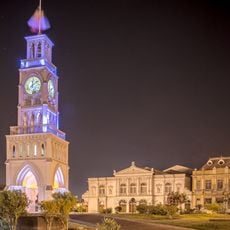
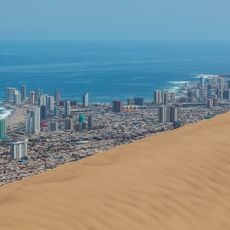
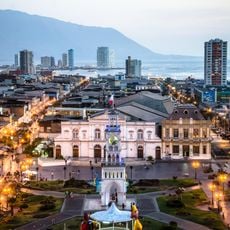
The capital Iquique serves as a central starting point with connections via the Pan-American Highway and an international airport. Travelers should account for the dryness and strong temperature shifts between coast and highlands.
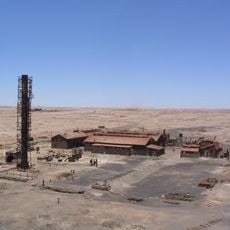
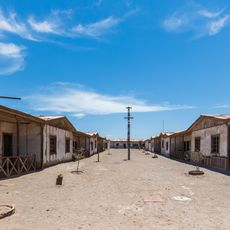
Abandoned saltpeter towns from the 19th century lie scattered across the desert and show remains of industrial sites and residential quarters. These ghost towns recall the time when nitrate extraction defined the economy of the area.
The community of curious travelers
AroundUs brings together thousands of curated places, local tips, and hidden gems, enriched daily by 91,856 contributors worldwide.