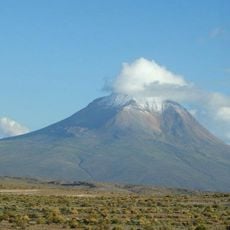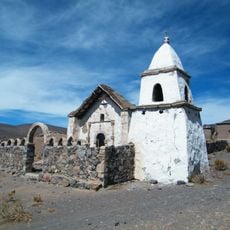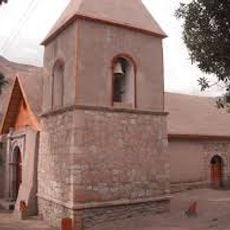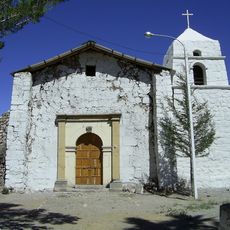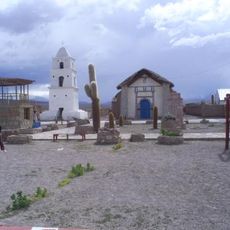
Volcán Isluga National Park, Nature reserve in Provincia del Tamarugal, Chile.
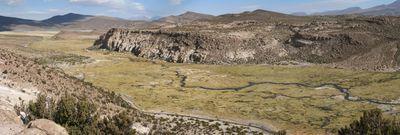
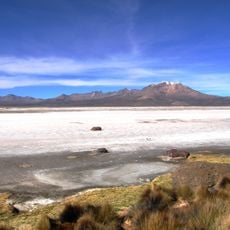
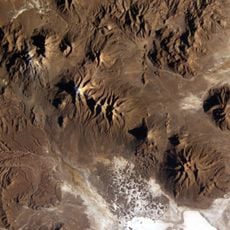
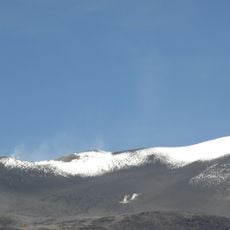
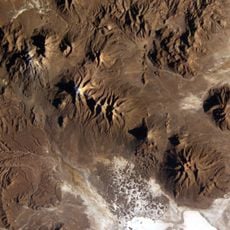
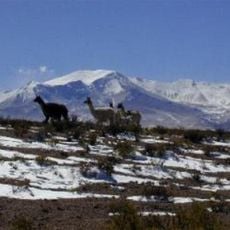
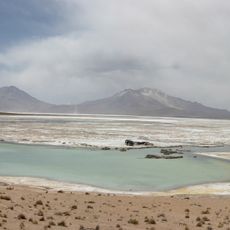
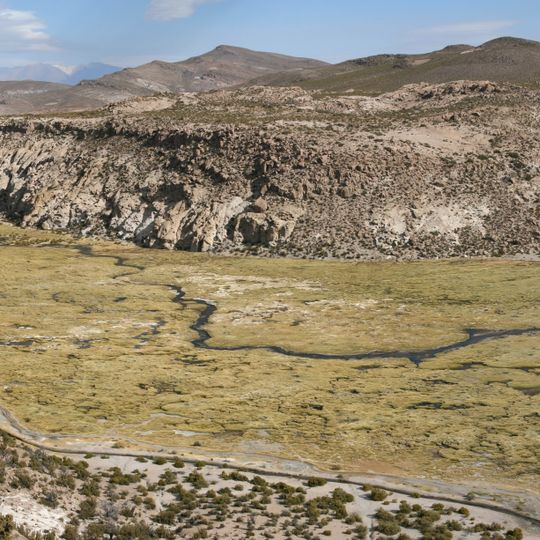
Volcán Isluga National Park covers Andean terrain with volcanoes, lakes, and mountains ranging from 2,100 to 5,550 meters in elevation. The landscape changes dramatically with altitude, creating distinct ecological zones from lower valleys to high-altitude peaks.
The park was established in 1967 by the Chilean government to protect the region's high-altitude ecosystems and volcanic features. This creation preserved an important area with its geological formations and geothermal resources.
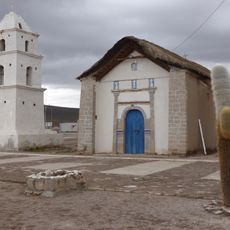
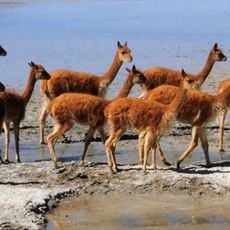
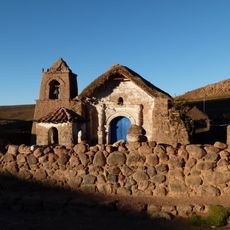
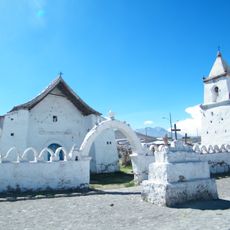
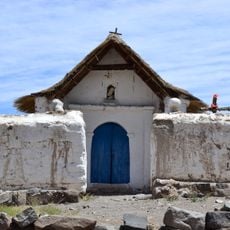
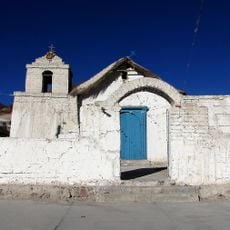
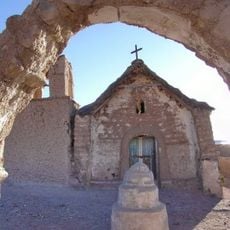
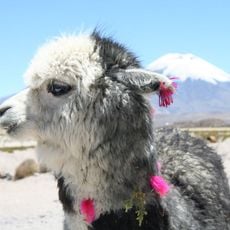
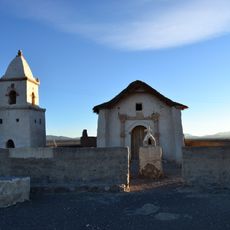
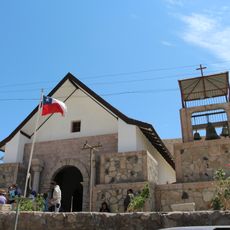
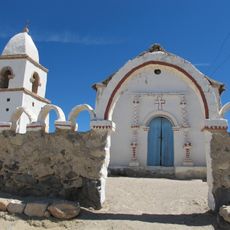
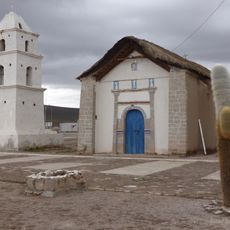
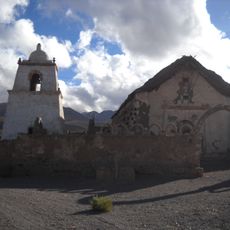
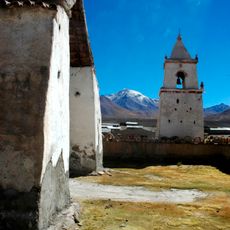
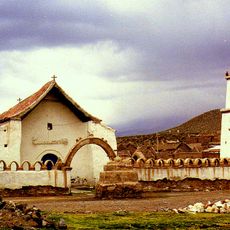
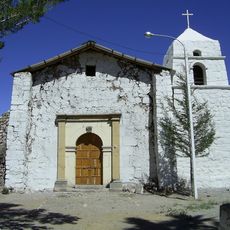
Aymara communities live within the park boundaries and maintain traditional ways of life that shape the landscape. You can observe alpaca herding and see textiles made using methods passed down through generations.
Two marked trails guide visitors through the area: one reaches Laguna Arabilla over 600 meters for wildlife viewing, while the other covers 3 kilometers to Pukará de Isluga for mountain views. High altitude conditions mean thin air and rapid weather changes, so proper preparation is important.
The Puchuldiza geothermal field contains geysers and thermal springs reaching 85 degrees Celsius. In winter, the hot water creates ice formations when it rapidly cools, producing an unusual contrast of heat and cold.
The community of curious travelers
AroundUs brings together thousands of curated places, local tips, and hidden gems, enriched daily by 91,316 contributors worldwide.